
24 Feb 2026
Polly Sishton explains why this learning, sporting and bonding trip is more than just a conference…

Polly Sishton
Job Title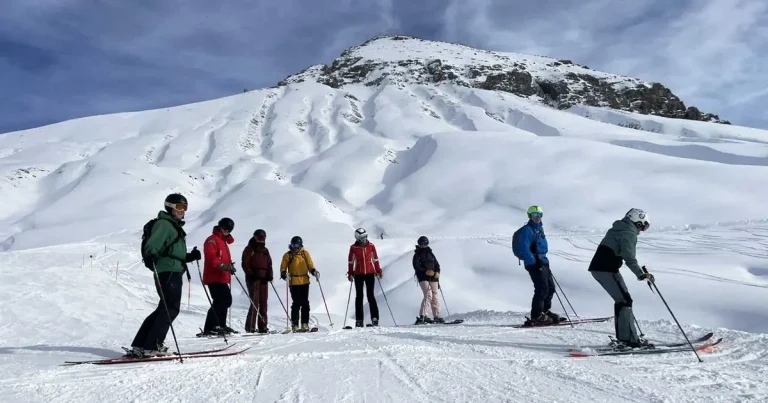
Having attended Equine Ski-PD for the first time last year in Andermatt, Switzerland, I returned this January knowing exactly what to expect: excellent CPD, brilliant skiing and a week of slightly chaotic, but thoroughly enjoyable, camaraderie with a herd of equine veterinarians. Somehow, this year still managed to exceed expectations.
For those unfamiliar, Equine Ski-PD entails equine vets aged 25 to 80-plus taking to an alpine resort for a week of fantastic lectures, skiing and team bonding. Within hours, newcomers find themselves feeling part of what can only be described as a delightfully dysfunctional family.
Arriving in St Anton, Austria, felt less like joining a conference and more like being reunited with long-lost relatives – the kind you genuinely enjoy spending time with.
The week began with a lovely welcome dinner, followed by a gathering in the hotel’s Keller bar, where clinical discussions quickly evolved into more animated exchanges. It set the tone perfectly for the days ahead.
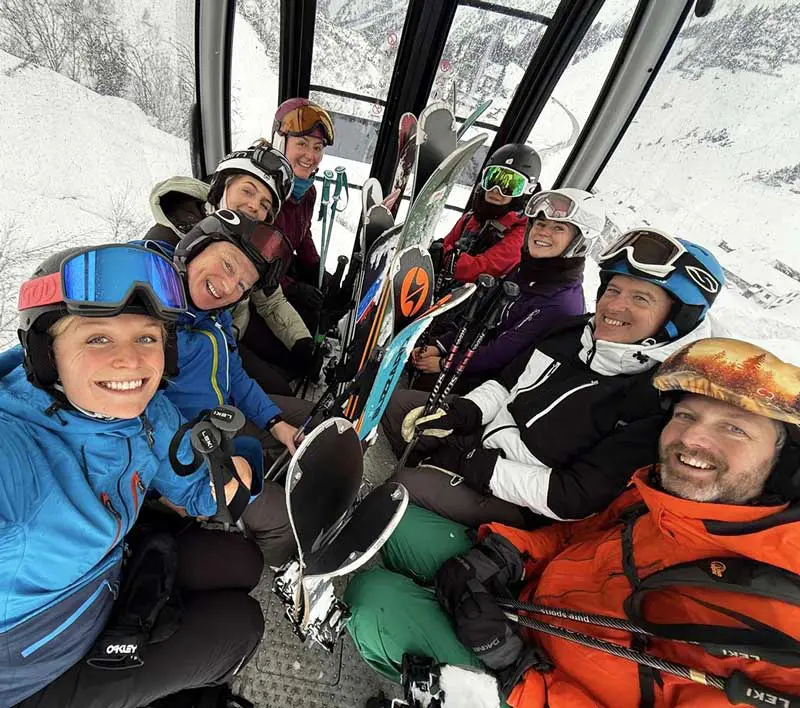
The structure of the course allowed for morning and evening lectures, leaving the day free for skiing. This provided a surprisingly effective balance of learning, exercise and well-being, with case discussions continuing on chairlifts and in mountain restaurants.
This year’s speaker line-up was exceptional. John Keen delivered fascinating sessions on laminitis and equine metabolic disease, exploring how our understanding of endocrinopathic laminitis has evolved. He also provided a practical framework for investigating episodic collapse in horses, focusing on differentiating between syncope, seizure and sleep-related disorders.
Gemma Pearson presented engaging talks on equine behaviour and safer veterinary procedures, highlighting the high rate of work-related injury in equine practice and demonstrating how understanding learning theory, minimising stress and using positive reinforcement techniques can improve both safety and welfare. Her practical advice on managing needle-shy horses and reducing stress during procedures provided valuable take-home strategies, and have already been put into practice back home.
Rachel Tucker explored vertebral radicular disease and shared a referral hospital perspective on musculoskeletal problems in polo ponies, highlighting the prevalence of foot pathology and the role of advanced imaging techniques in diagnosing and managing complex lameness cases.
Christopher Riggs delivered a compelling insight into biosecurity planning for major equestrian games in China and the challenges involved in developing a state-of-the-art equine hospital, offering a fascinating perspective on large-scale veterinary infrastructure.
The calibre of teaching was outstanding, but what truly distinguished the experience was the informal and interactive atmosphere, encouraging open discussion and honest reflection from both speakers and delegates.
After morning lectures, delegates took to St Anton’s world-renowned slopes. The skiing was exceptional, and the mountain scenery provided a spectacular backdrop for both clinical debate and social bonding.
No Ski-PD experience would be complete without sampling the local après-ski scene. Day one saw the group descend on the legendary Krazy Kanguruh bar, with some impressive dancing and “spillage is lickage” philosophy.
Later in the week, an unforgettable rosé-fuelled mountain lunch was followed by a visit to the equally famous MooserWirt, where approximately 50 equine vets effectively took over the entire afternoon of après and went on well into the evening. Huge thanks goes to Graham Duncanson for securing the table.
The MooserWirt was not entirely without incident. A ski jacket was accidentally swapped (unfortunately mine), which led to a rather heated exchange back in the hotel where a group of Norwegian men managed to track down their jacket due to the AirPods in the pocket.
Even the BEVA president was not immune to misfortune, losing a rather impressive pair of skis among the pile of skis in the thousands. Fortunately, these minor setbacks did little to dampen spirits and quickly became part of the trip’s tales.
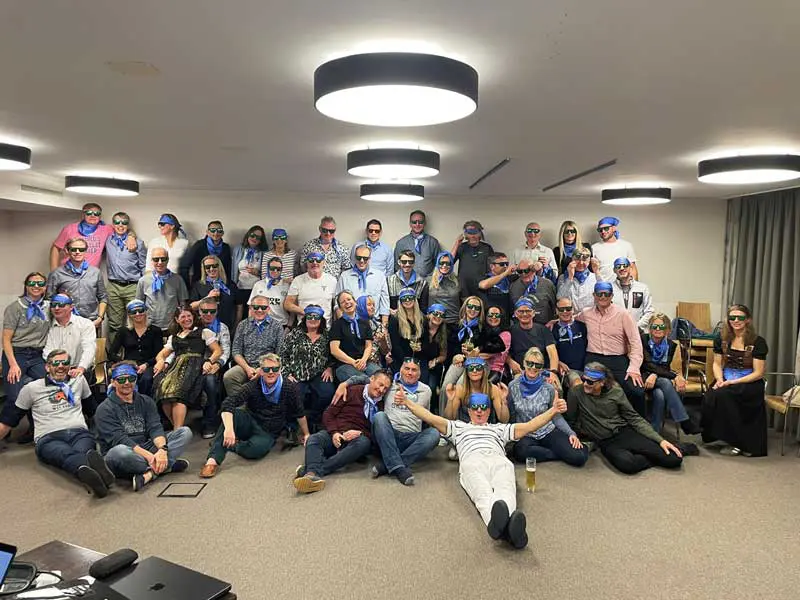
Huge thanks must also go to the amazing sponsors, BOVA UK and IMV Imaging, whose generosity helped make the week such a success. They kept delegates exceptionally well looked after – providing mountain lunches, covering an impressively substantial MooserWirt bar tab and supplying this year’s Ski-PD merchandise in the form of SunGod sunglasses, which were both extremely generous and very welcome on the slopes.
One of Ski-PD’s greatest strengths is its ability to break down professional hierarchies. Recent graduates, experienced clinicians and WAGs (and HABs) interact freely with leading specialists, often in situations far removed from the traditional conference setting.
This was perhaps best illustrated on the final evening, which culminated in a lively night out where professional networking took on a new dimension – including the memorable experience of carrying several delegates, and even one of the course speakers, on my shoulders on the dance floor.
Beyond the excellent CPD and skiing, Equine Ski-PD offers something increasingly valuable within the profession: a sense of community, year-round support and shared experience. The combination of high-level education, physical activity and informal interaction creates a uniquely enriching learning environment. Massive thanks must go to the conference organisers, Henry Tremaine and Catherine Mayes, whose dedication ensures the ongoing success and popularity of Ski-PD.
As we returned home – tired, slightly sore and already discussing plans for next year – it was clear that Ski-PD continues to deliver an experience unlike any other veterinary conference.
I, for one, cannot wait to return and encourage anybody to consider coming next year.