
2 Dec 2025
John Chitty BVetMed, CertZooMed, MRCVS recalls highlights of the Second Guinea Pig Welfare Forum and the launch of a new charity.

John Chitty
Job Title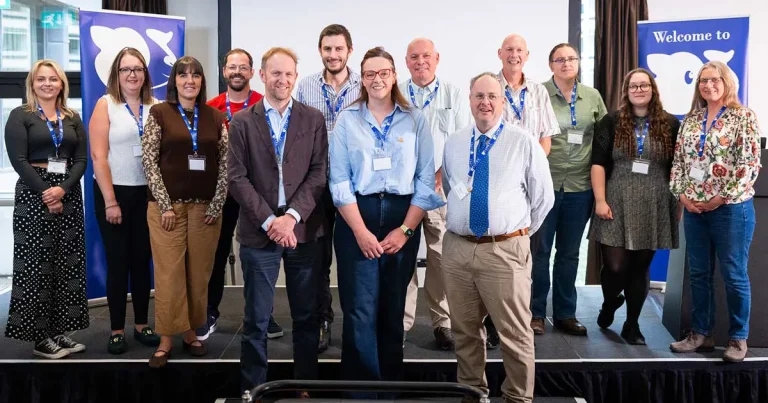
The second Guinea Pig Welfare Forum was held in Birmingham and, following the success of the first forum, the meeting was completely booked and developed themes from that first meeting.
Those themes explored the need for the following:
As a first step to filling these needs, the first part of the meeting marked the launch of a new charity: Guinea Pig Welfare UK.
Audience members were introduced to the charity and its founder trustees and aims, which are:
Sean Wensley, as the charity’s first patron, provided a keynote speech to introduce the new initiative.
Following a break, a new theme of a research forum was held. This enabled researchers to introduce their current research or for relevant and novel topics in the literature to be presented to the audience.
Several topics were presented, including a talk on imaging evidence of the lack of ossification of the pelvic symphysis, which affects advice on when to breed sows.
Meanwhile, Abi Edis from the RVC presented a study into the difficulties in diagnosing a common cause of death in guinea pigs: renal disease. She showed a potential link with urolithiasis and that ultrasound examination of the kidneys appears to currently be the most reliable means of diagnosing renal disease in guinea pigs.
Alison Wills from Hartpury University presented on a prospective study she is conducting with Clare Ellis from the University of Lancashire. This is looking at potential handling stress in animals used for teaching purposes. This is a survey-based study for those undertaking live animal teaching sessions, and if you feel you may be able to help with this, get in touch via [email protected]
Mary Coles gave a talk on Streptococcus equi infection in guinea pigs and whether the cases seen last year represented an outbreak. The simple answer to the latter is that it simply is not known, as this is a common infection. However, Ms Coles’ work with SAVSNET enables monitoring of cases, and she provided details of the sort of information they are screening for from practices and laboratories.
Finally, Lauren Fenton, an RVN from private practice, gave a summary of her paper on prevalent welfare issues in small mammals and how these apply to guinea pigs (Fenton et al, 2025). This was an interesting survey among European zoological medicine diplomates across several countries and highlighted the following as the main five priorities for guinea pigs:
These are very similar to the issues highlighted at last year’s forum and further help focus where we need to research to help these cavies.
After lunch, Anne McBride gave an excellent talk on the natural history of the guinea pig “family”, from mountain cavies to capybara via maras and, of course, the domestic guinea pig – Cavia porcellus. During the talk, she highlighted the importance of understanding how these wild cavies live and have adapted, and how these adaptations should be considered when looking at how we keep this species – husbandry, social systems and even handling methods should always consider the natural history of that species. Dr McBride also discussed a recent increase in the private keeping of mara (Patagonian cavies) and how difficult it would be to adequately provide for their welfare needs when kept as pets.
Ms Coles then gave her second paper of the day, highlighting her work with SAVSNET and establishing health priorities for guinea pigs. Once again, urinary disease was highlighted as a frequent finding in practice data as were respiratory disease, corneal ulceration and sarcoptic mange. All of these are at least in part linked to husbandry or diet or may be stress or immune related. Therefore, it is felt that better husbandry and diet, coupled with stress reduction and regular checks both at home and regular veterinary checks (including regular weighing), would likely play a useful role in reducing disease frequency.
Dr Wills’ second paper continued this theme, with a discussion on research into the impact of husbandry on disease. Very important aspects from these included difficulties in persuading owners to change husbandry practices – especially where these may involve increased expense and benefits may be subtle.
An important finding was that guinea pigs bought as pets for children were less likely to receive the same level of husbandry and veterinary care as those bought as pets for adults. These findings highlight the need for better communication with owners and the need for direct evidence to inform them of the benefits of improving husbandry.
We also need to work to change perceptions of many of these small mammal pets. While it is very important for children to learn about keeping these pets and be involved in keeping pets, they simply cannot be just children’s pets – adults must always be involved and the same level of care must be applied for all pets, whoever is regarded as primary owner.
The final part of the day considered legal regulation of guinea pig vending. Dave Griffiths from Winchester City Council gave an overview of the law and of how the inspection process works in practice. He gave particular details on what conditions are looked at for guinea pigs in pet shops and some of the issues that local authorities face in licensing. Rik Cridland from Haypigs! then gave a perspective on other routes (including rescues) of selling guinea pigs and the issues potentially faced with fewer shops actively selling guinea pigs. The details he gave on some of the reasons why guinea pigs enter rescue or are put up for sale online, which may include loss of owner interest or inability to afford the pet or its veterinary bills.
Mr Griffiths and Mr Cridland were then joined by Dave Perry and Tariq Abou-Zahr from the Companion Animal Sector Council for a discussion on pet vending licensing. This was wide ranging and, as with so much else on the day, has provided a lot of material to fuel many future discussions.
The second forum has shown how much active research work is being undertaken into health and husbandry issues in guinea pigs. This work is providing consistent evidence that certain health issues – especially urinary, respiratory and dental disease – are very common and that these do have links to husbandry and diet.
The good news is that this means they should be preventable and the priority for future fora (and the Guinea Pig Welfare UK charity) will be to encourage research into these areas and disseminate evidence-based information on their prevention to veterinary professions, the pet trade, and, of course, owners.
The Guinea Pig Welfare Forum will return in autumn 2026, with details being launched next year. If anyone is interested in joining or supporting Guinea Pig Welfare UK, please visit guineapigwelfareuk.co.uk