
24 Mar 2026
John Chitty BVetMed, CertZooMed, MRCVS says rabbit medicine is not rocket science as he explains how these creatures can best be looked after in practice.

John Chitty
Job Title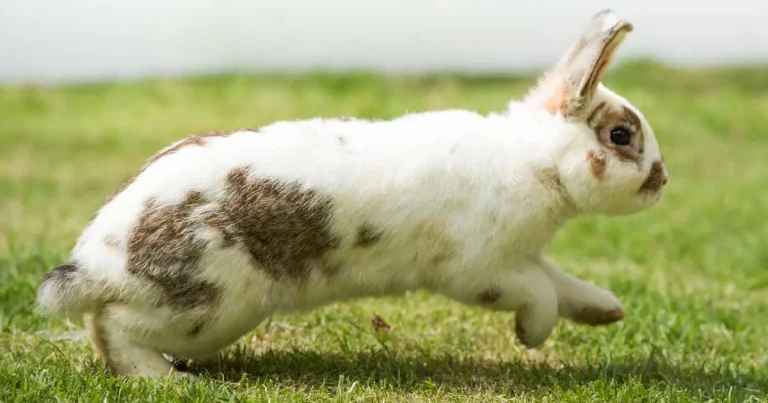
Image: May Chanikran / Adobe Stock
For the practice just starting with rabbits or that only sees a few each month, these patients can seem challenging and very alien compared to the normal cat and dog cases.
They are quite different to these predator species: rabbits’ position in nature as a prey species must never be forgotten as the key to identifying and controlling their clinical issues and how to approach these.
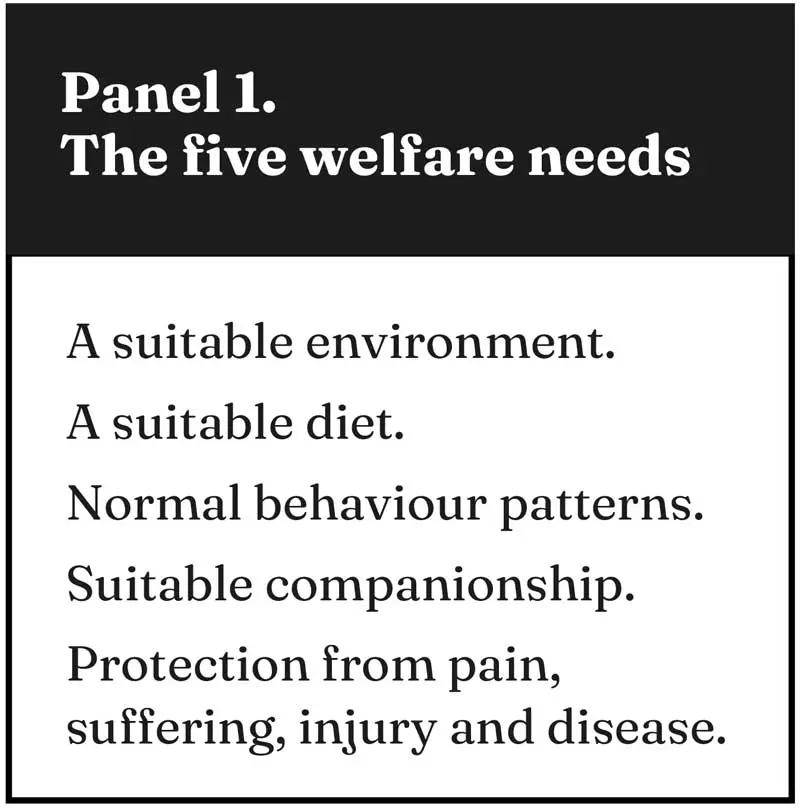
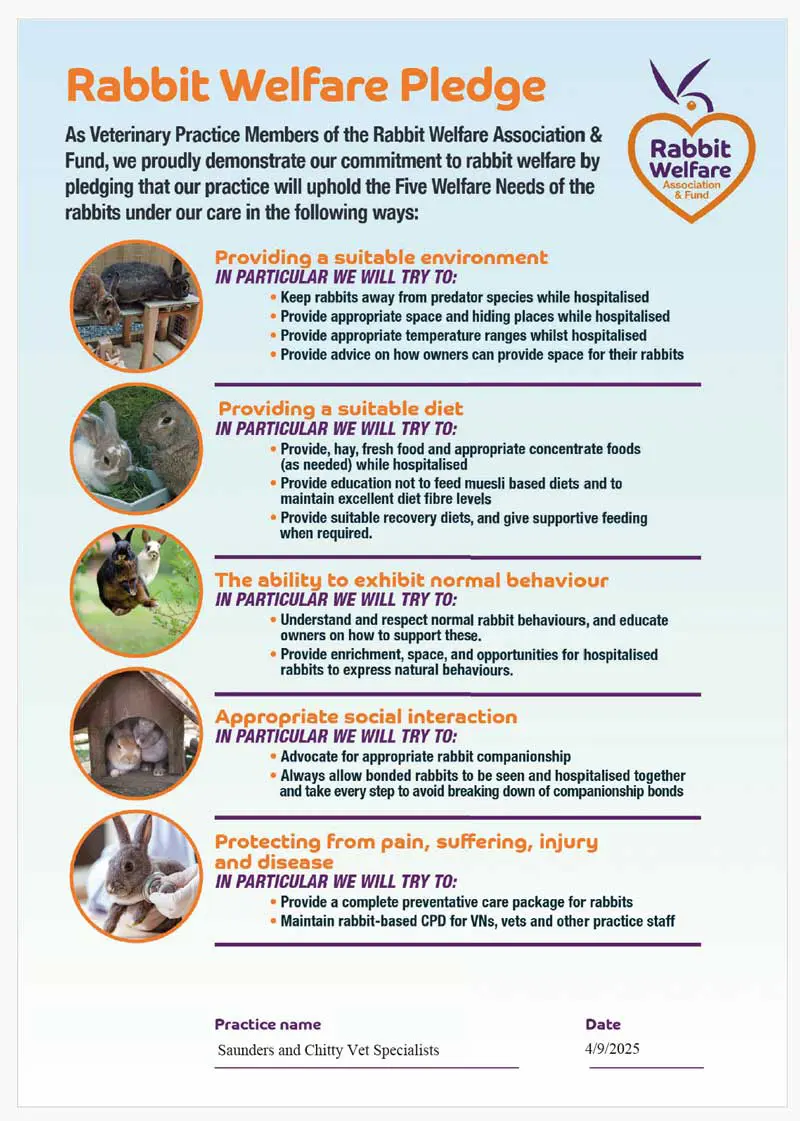
Above all, the clinician needs to be aware of a rabbit’s requirements using the five welfare needs (Panel 1; Figure 1), but to help with the clinical approach, they may be considered in three words:
Prey species do not want to show signs of illness and, especially, do not want to show signs of pain. This results in two issues: how to tell a rabbit is painful and what to do about it.
This is not easy. A typical prey species will simply be still, quiet and inactive. Only in extremis will they vocalise and show overt pain signs, as in predator species or people.
Pain scoring or grimace scales will help, as will qualitative behavioural assessment (which does show promise as a means of holistically “scoring” the patient), but should be used alongside a more general assessment (eating, moving, defecating?) and more general questions, such as, “Is this patient different to normal?”, and “Would this condition or surgery be painful to me?”.
Once identified, analgesia is usually required; a range of drugs are described though, sadly, few are fully evaluated in rabbits and few even have properly established dose rates. We have to work within these limitations, extend knowledge of these drugs in other species, and always continue to evaluate the patient’s pain to confirm the drugs are having a desired effect.
One technique that is, fortunately, gaining ground is use of local analgesia in surgery. As the only analgesia that truly blocks pain receptors, such techniques are anaesthetic sparing and may reduce reliance on untested drugs. If using, a calculated maximum dose may be diluted in saline and used in multiple ways; incisional, regional, infiltrative, and splash blocks may, therefore, all be combined.
Many conditions present as an extension of chronic pain: gut stasis, grooming issues, caecotrophy issues, skin parasitism, urine sludging, and so forth.
The pain may come from various sources – especially osteoarthritis (spine, hips, elbows and stifles most commonly); ear disease; and dental disease (Figure 2).
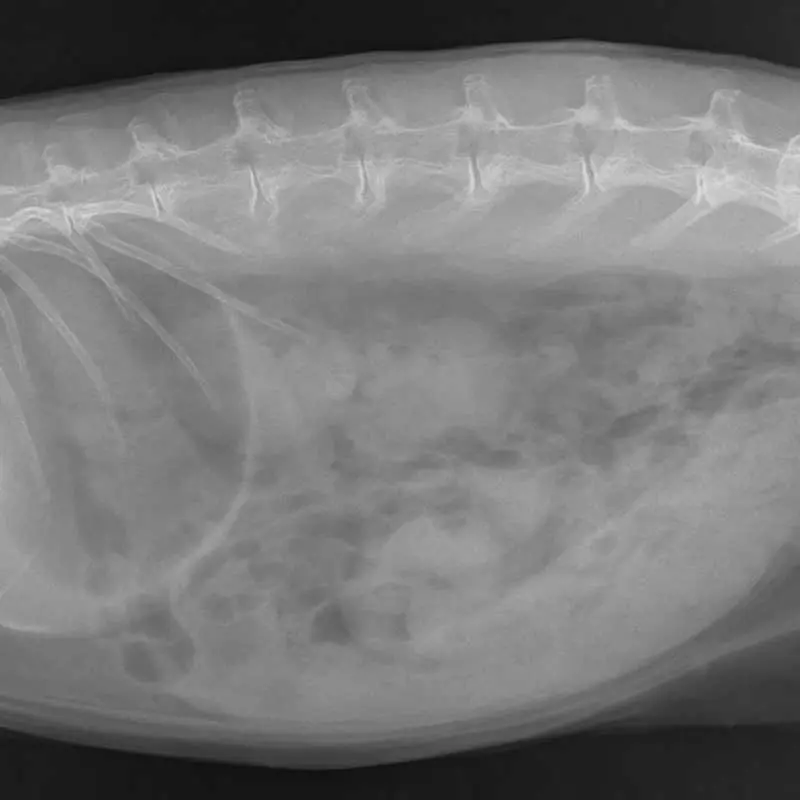
So, when presented with such cases, simply managing the presenting sign is rarely enough. Investigation of underlying causes is required (imaging in particular is indicated) or cases will inevitably recur or, worst case scenario, the patient will remain in pain. To manage the majority of these causes, long-term analgesic use is generally needed though, as with acute pain, such drugs are usually not fully evaluated in rabbits.
As well as drugs, management changes must also be introduced; for example, substrate or bedding changes and adjustment of ramps for arthritic patients (just as we would for an arthritic dog). Use of feeding or lifestyle enrichment (provided these do not place undue demands on painful joints) may also assist in altering the patient’s pain perception.
Education of owners is essential; many will not have appreciated their pet is in pain, and so teaching them the signs of pain and how to pain score will enable a more rapid response when conditions worsen, and a more effective evaluation of which techniques are helping. In all cases, owners should be shown sympathetic handling techniques to reduce pain to their pet and, of course, undesirable responses from the rabbit’s fear of being handled.
Prey species are easily stressed. Stress results in illness and treatment failures.
Our job, using the five welfare needs, is to identify and correct potential stressors in the home.
Many illnesses stem from chronic stress and we need to address these in most cases.
Is your clinic rabbit-friendly? Rabbit Welfare Association and Fund provides many materials (as well as a rabbit friendly practice scheme) to assist in helping clinics make the treatments as stress free as possible (tinyurl.com/bdhw4n9u). This part involves all staff and all areas of the clinic. While this sounds ambitious and possibly expensive, most rabbit needs are addressed by simple management changes that are usually inexpensive and rely on an understanding of their requirements – much as a clinic will understand and approach the different needs of a cat from those of a dog. Many changes for rabbits will probably benefit cats and dogs, too.
The first need is to understand that any trip to the clinic will be stressful for prey species. So, does it need to come in? Good training of reception staff will enable effective triage as to which presentations are emergencies (haemorrhage, gut stasis, and so forth), which are urgent (lameness, dental issues, and so forth) and which are non-urgent (for example, skin disease – unless flystrike or if intensely pruritic).
Some cases may also be managed using newer online telemedicine technologies, which may include repeat examinations or some postop checks. These will greatly reduce stressful visits and will also reduce the time and intensity of consultations, as well – anyone who has tried to “trot up” a lame rabbit will know this is impossible. A home video of the lameness will greatly facilitate the whole process. This may be compared to the typical torticollis case where the stress of the consultation will almost always worsen the signs; a video will show a much truer picture of how the rabbit is coping at home.
Otherwise, rabbits should be kept away from noise and predators as much as possible. Dedicated prey-only areas are ideal, but may not be achievable; however “wait in car” before a consultation (perhaps Covid lockdown consults were of benefit) will assist, and a quiet room where a hospital cage may be set up for an in-patient is usually available. Use of essential oils or pheromones may also be stress relieving, as will sympathetic handling and treatment techniques.
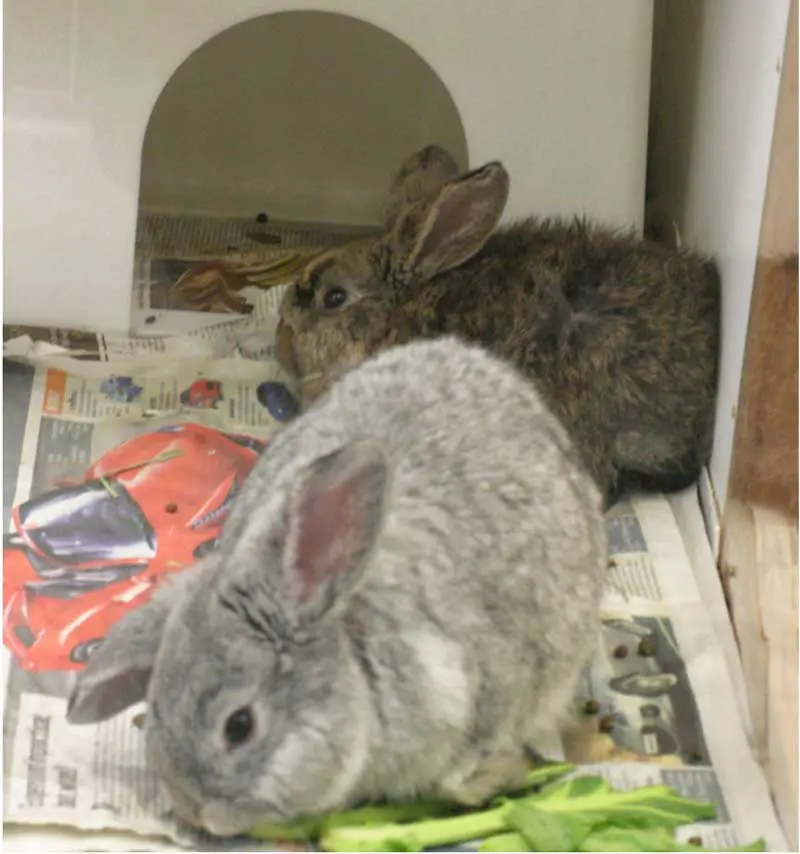
Hospitalisation must take into account the five welfare needs and provide the same level of husbandry as we advocate at home (Figure 3). Most importantly, isolation must be avoided. Always instruct owners to bring companion rabbit(s) for consultations or when hospitalised; as well as greatly relieving stress, this will also help prevent re-mixing issues on discharge.
On the face of it, balance may imply an approach head tilt and ear disease, and these are common presentations presenting frequently with a loss of balance.
However, for the majority of rabbit patients, this is more a question of balancing their needs with those of the owner and/or those of the clinician in treating them.
As described previously, many rabbits have suffered injury when handled poorly at an early age. It is no surprise they then show exaggerated responses when handled unsympathetically in a stressful clinic situation.
However, some handling is always required, including restraint for potentially painful injections or examinations. Reducing these (for example, switching to oral medication from parenteral as soon as is safe); use of sedatives and anxiolytics (midazolam is an extremely useful drug in these cases); and replacing “scruffing” and “turning” techniques with hands off (do you need to restrain a rabbit for auscultation?) and use of towel wraps and “burritos” allow much to be done with less stress to all.
Owners typically want contact with their pets, but pets may not desire this. Selection of pets that have been socialised at an appropriate young age may help balance this need. However, where rabbits have not been socialised owners may need to be taught that excessive contact may be fear rather than pleasure inducing.
An appreciation of rabbits being rabbits and a respect for this may, conversely, assist in gaining the stress-free contact owners require. Allowing rabbits to initiate responses, responding gently and rewarding positively such behaviours will improve owner-pet interactions greatly.
Just think fibre. But even here, balance is required. Concentrate foods allow better provision of micronutrients, but they are called concentrate for a reason. Limited quantities only should be provided (15g/kg bodyweight/day maximum) along with fibre.
Balance, too, with respect to calcium. Avoiding excessively high calcium diets may help in achieving this balance, but this will not be sufficient in preventing urinary sludge and stones if rabbits are not encouraged to drink (bowls, not drinkers; various placed throughout the enclosure; wetting of green foods; and relief of painful conditions, so rabbits are encouraged to move to water and to urinate).
As in the clinic, treatment regimes may increase stress and may even be uncomfortable, requiring restraint (for example, cleaning an abscess wound; Figure 4).
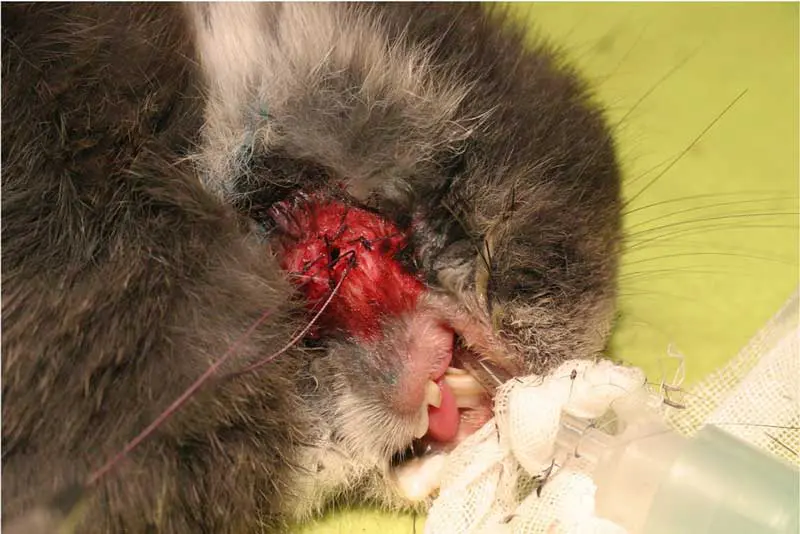
Teaching of handling techniques, of how to do this as easily as possible and in as simple a way as possible, is essential. Backing this up with regular owner contact will help in establishing if owner and patient are able to cope with what we are asking; if they are struggling, we need to look again at how to adapt therapies and assist.
Rabbit medicine is not rocket science. Moving away from high-powered investigations and surgeries, we need to appreciate the rabbit’s biology and its requirements as a prey species to achieve clinical success.
John Chitty qualified in 1990 from the RVC and gained an RCVS Certificate in Zoological Medicine in 2000. He previously had a 100 per cent exotics/small mammal/zoo caseload based in private practice in Hampshire, and now provides consultancy and advisory services to vets, zoo collections and local authorities. He is also the editor and author of five texts on avian/rabbit/tortoise medicine, with a sixth on the way, and is the author of various book chapters and papers. John is a past-president of the European Association of Avian Veterinarians, the Veterinary Invertebrate Society and the BSAVA. He is also honorary secretary and a trustee of Vetlife.