
3 Mar 2026
Ellie Kohut DipVN, APVN, RVN explains how, with the popularity of exotic pets increasing, it is important veterinary nurses have the confidence to raise important welfare points with clients.

Ellie Kohut
Job Title
Exotic pets are becoming increasingly popular in the UK and are now a routine part of general veterinary practice.
Despite this, many veterinary nurses still report a lack of confidence when caring for these species.
Seeing a “rabbit health check” on the consult list can trigger a spike in adrenaline, even among experienced nursing teams. Similarly, guinea pigs presenting for procedures such as castrations or lump removals are often perceived as inherently “high risk” due to their exotic status, rather than their actual American Society of Anesthesiologists (ASA) classification. This highlights the significant impact that confidence, specialised experience and access to species-specific knowledge have on clinical decision-making.
As these species become increasingly common in clinic, an important question remains: how confident are veterinary nurses in caring for them? Small furries are often considered “routine, but risky” patients. Subtle signs of pain, stress and illness can be easily missed, and inappropriate handling or husbandry advice can have significant welfare implications.
This article explores best practice in the husbandry and nursing care of small furries, focusing on how veterinary nurses can build confidence, improve patient welfare and act as strong advocates for these often-overlooked species.
In general practice, many “exotic” presentations are closely linked to husbandry. For instance, the suffering of a hamster with alopecia and over-grooming may stem from inappropriate housing and therefore chronic stress rather than an underlying parasitic infestation (Godfrey, 2024). A lethargic guinea pig may be suffering from nutritional hypovitaminosis C rather than age-related decline (Zayas, 2023).
It’s vital for the veterinary team to provide clear, effective client education, as well as education among colleagues, to promote preventive care and long-term patient well-being. The following outlines the fundamental principles of care for some small furries. It’s important to remember no one-size-fits-all approach exists and each species has its own specific needs and requirements that should be researched in detail prior to treatment.
Correct nutrition is vital when it comes to the health and welfare of all small furries and is a key area where veterinary nurses play an essential educational role. Rather than focusing solely on specific food items, it is essential to first identify the species being presented and understand its natural feeding behaviour and digestive physiology.
For example, rabbits and guinea pigs are obligate herbivores and hindgut fermenters. Due to the presence of a caecum, they rely on a high-fibre diet; however, as monogastric animals, they require high-quality fibre to maintain normal gastrointestinal motility and overall gut health (Roeder, 2025). Due to this, these species require constant access to appropriate forage, such as hay or grass, to support continual chewing and effective digestion.
In contrast, species such as rats and hamsters are omnivores, and they have adapted to a more varied diet that reflects their natural scavenging behaviour (Happy Hay, 2025). They still require balanced nutrition to avoid obesity and nutritional deficiencies.
By recognising whether a species is herbivorous, omnivorous or carnivorous, advice can be tailored accordingly, potential dietary risk can be identified and common feeding misconceptions can be addressed. Nurse-led discussions around nutrition during routine consultations create valuable opportunities to prevent diet-related conditions such as dental disease and obesity.
Correct housing is a fundamental component of good husbandry across all small furries; however, minimum space, enclosure design and environmental requirements vary significantly between species.
Inadequate or unsuitable housing remains a significant welfare concern, as enclosures that are too small can restrict normal behaviours and contribute to both physical and psychological health problems. Such behavioural restriction may lead to stress, frustration and long-term conditions, including arthritis and skeletal abnormalities (Hansen and Berthelsen, 2000).
For example, surveys show that between 20 per cent to 22 per cent of pet rabbit owners house their rabbits in hutches smaller than those legally permitted for laboratory and meat rabbits, and 84 per cent of rabbits are kept in hutches below the Rabbit Welfare Association and Fund’s (RWAF) recommended minimum size criteria (RWAF, no date).
Many commercially available enclosures for small furries do not meet species-specific welfare guidelines; however, new owners often assume they are suitable simply because they are legally sold. This highlights the importance of educating owners during veterinary consultations by promoting recognised welfare guidelines and providing practical examples of enclosures that meet species-specific needs.
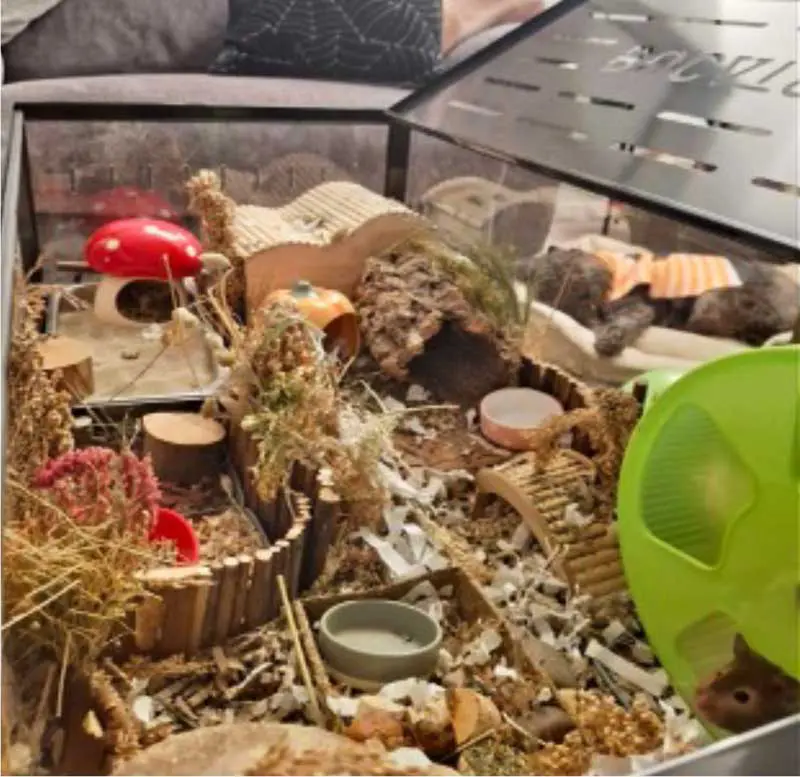
Burrowing is an important natural behaviour for hamsters, but they need deep bedding of the right type so they can build their tunnels where they feel safe and secure. Without enough deep bedding to dig into, hamsters get stressed and often begin to climb the bars and chew them.
Husbandry extends beyond the provision of an enclosure alone. Ensuring appropriate enrichment, companionship and preventive health care is as essential to the well-being of small furries as it is for cats and dogs, contributing to physical health, mental stimulation and overall quality of life.
A lack of enrichment may result in boredom, elevated stress hormones, altered brain development, reduced immune competence and shortened lifespans (Furry Critter Network, 2026). This proves it is essential to allow and provide animals with the opportunity to express natural, species-specific behaviours.
Effective and species-specific enrichment should encourage natural behaviours. The following are some species examples.
In the wild, hamsters will travel vast distances, therefore should be provided with the correct sized wheel so they can run.
They burrow and build tunnels so they can feel safe and secure, so the correct type and amount of bedding needs to be provided (Blue Cross, 2025).
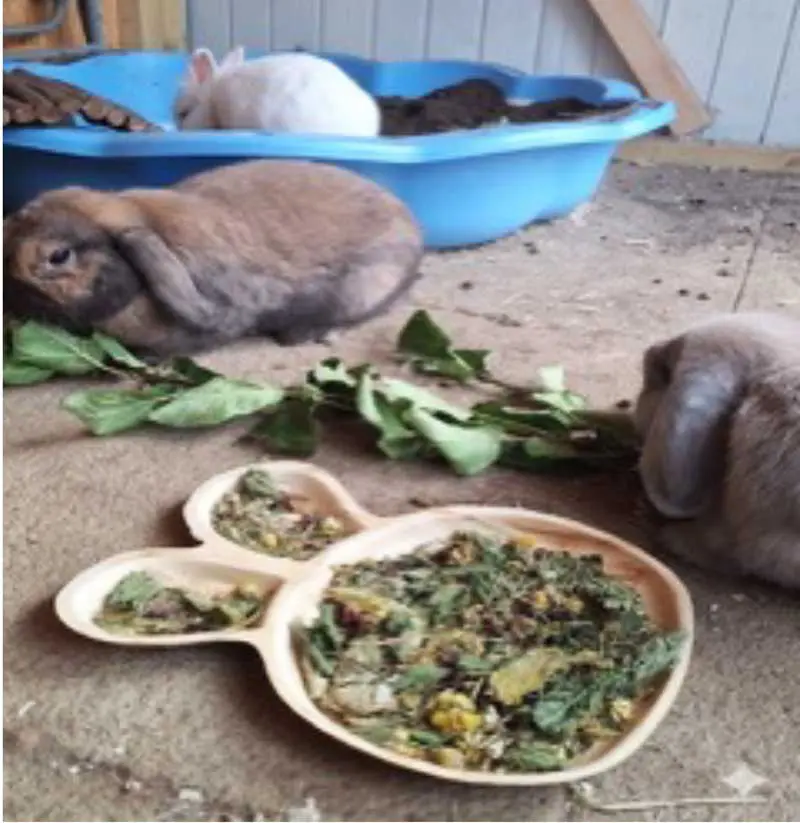
The animals instinctively need to graze and forage, so providing forage material and activities that involve forage fulfils the rabbit’s natural curiosity and can help to alleviate boredom (Wild About Bunnies, 2025).
The animals often dig burrows, so providing safe soil or suitable substrates to allow them to dig is an excellent form of enrichment.
Guinea pigs are a prey species, so they instinctively avoid open spaces where they feel exposed. In the wild, they move through undergrowth and hiding spots for safety. They need to be provided with plenty of cover, such as hides, tunnels and hay piles, to help them feel secure and encourage exploration.
Social requirements vary significantly between species. Rabbits and guinea pigs are highly social animals and require companionship of their own species to meet their behavioural and emotional needs; inappropriate solitary housing can negatively impact welfare.
In contrast, species such as hamsters are naturally solitary and may experience stress or aggression if housed with others. Injuries resulting from fighting are a common reason for hamster consultations and are often preventable through appropriate owner education regarding species-specific social requirements.
Preventive health care is another key component of responsible ownership and differs between species. For example, rabbits require routine vaccinations to protect against life-threatening diseases, whereas guinea pigs do not currently have licensed vaccinations available in the UK. Educating owners on these species-specific medical requirements is essential to promoting long-term health, welfare and informed decision-making.
Overall, these aspects of health and husbandry should be considered fundamental knowledge, and, where uncertainty exists, further research should always be undertaken.
Preparing the clinic environment appropriately is essential when consulting or admitting small furries, as these prey species are particularly sensitive to stress. Where possible, patients should be accommodated in a predator-free waiting area and long waiting times should be avoided to minimise fear and stress prior to examination or procedures.
The consultation room should be prepared in advance, with clean, quiet surroundings free from the sight, sound and scent of predator species.
The use of towels to provide safe and secure handling (especially in wriggly patients), alongside pheromone therapy, can help create a calmer and more controlled environment for both patient and handler. Gentle, species-appropriate handling is vital, not only to reduce stress, but also to prevent injury.
A thorough nursing assessment should be carried out during consultations and preoperative checks. This includes monitoring key parameters such as respiratory rate, posture, demeanour and the use of species-specific pain assessment tools, including grimace scales, where applicable. Small furries may remain outwardly still or quiet despite experiencing significant pain, and assumptions should never be made based on appearance alone.
Ideally, consultations and admissions involving small furries should be managed by veterinary surgeons or nurses with confidence and experience in exotic species. Where this is not possible, adequate preparation through research and consultation of current guidelines is essential to ensure safe, informed and welfare-focused care.
When small furries are admitted for procedures, nursing care must be delivered to a gold-standard level, with careful consideration given to minimising stress and optimising patient well-being throughout hospitalisation. These patients are often more physiologically fragile and highly sensitive to stress, making proactive, species-appropriate nursing care essential rather than optional.
On admission, appropriate housing should be prioritised. Small furries should be placed in a quiet, darkened kennel, away from predators and excessive noise. Where appropriate, housing bonded companions together may help reduce anxiety in social species, provided this does not compromise infection control, monitoring or recovery.
Anaesthetic and analgesic planning must be individualised. A “one-size-fits-all” approach is inappropriate, and routine drug combinations should not be relied on without consideration of the individual patient. Drug selection should be based on the procedure, the species (as drug doses alter due to varied metabolisms), temperament, ASA score and if the patient has any underlying conditions. Each patient should be assessed as an individual, rather than assumptions being made based solely on species.
Where clinically indicated and directed by the veterinary surgeon, IV access should be established to facilitate fluid therapy and drug administration. Small furries should not be excluded from IV support. Instead, appropriate techniques, access sites and equipment should be selected. For example, commonly used IV sites may differ between species, such as marginal ear veins in rabbits (Gillies, 2025) or the lateral tail vein in rats (Pellett, 2022), highlighting the importance of adapting nursing techniques to the patient rather than lowering standards of care.
Appropriate monitoring equipment should be used wherever possible. The use of capnography, blood pressure monitoring, temperature monitoring and other anaesthetic monitoring tools supports safer anaesthesia and allows early identification of complications.
Postoperatively, diligent inpatient nursing care is central to a successful outcome. This includes close monitoring of appetite, faecal output, gastrointestinal motility, hydration status, body temperature and demeanour. Early nutritional support and proactive pain management play a key role in preventing complications such as gastrointestinal stasis, delayed healing and prolonged recovery. Through vigilant observation, appropriate use of monitoring equipment and timely intervention, veterinary nurses act as strong advocates for the welfare and recovery of hospitalised small furry patients.
Exotic clinics can be offered to clients. These are a specialised service within practice where veterinary nurses and vets can provide extensive knowledge to clients and guide and support them with the care of their pets. These clinics allow veterinary nurses to use their specialist knowledge to focus on preventive health care, husbandry reviews, nutritional guidance, weight management and early detection of disease.
Furthermore, providing clients with “starter packs” can be a valuable tool during exotic nurse clinics. These packs can support client education by containing printed resources that reinforce the information discussed.
Patient advocacy is a fundamental responsibility of the veterinary nurse, particularly for small furries who may mask signs of pain, stress or illness and needs aren’t as commonly known in comparison to cats and dogs. Through nurse-led clinics, veterinary nurses are vital as they can identify subtle welfare concerns, challenge inappropriate husbandry and ensure that patients’ needs are prioritised throughout their clinical journey.
Small furries present unique challenges within veterinary practice, requiring a confident, evidence-based nursing approach that prioritises species-specific husbandry, stress reduction and individualised clinical care. Through effective client education, thorough nursing assessment and strong patient advocacy, veterinary nurses play a pivotal role in improving welfare outcomes and promoting preventive health care for these often-underestimated species.
By continuing to build knowledge and challenge outdated assumptions, nurses can ensure that small furries consistently receive the gold-standard care they deserve.
Ellie Kohut has been in practice for seven years, but qualified as an RVN two years ago from Bottle Green Training. With a strong passion for exotic animals, Ellie has recently finished the advanced programme in veterinary nursing small mammal certificate. In addition to her interest in exotics, Ellie enjoys consulting with pet owners and has a keen interest in emergency and critical care, as well as working with geriatric patients.