
21 Jul 2026
Sara Pedersen BSc, BVetMed, CertCHP, DBR, MRCVS explains why vets need to change how they manage this condition in beef animals.

Sara Pedersen
Job Title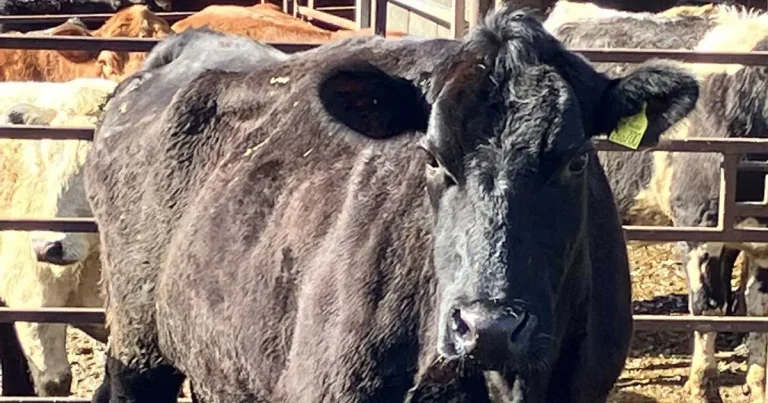
Figure 1. Perception of lameness in beef cattle can present as a barrier to intervention. Typically, only those that are severely lame are perceived to be “lame”.
Over the past two decades, the dairy and sheep industries have benefited from a wealth of research, guidance and practical resources to help tackle lameness. In contrast, comparatively little attention has been given to beef cattle, with much of the available advice simply extrapolated from dairy systems.
However, beef cattle are managed differently, experience different risk factors and require different solutions. A “one size fits all” approach is, therefore, unlikely to deliver the best outcomes.
One of the main reasons that beef lameness has not received as much attention as that in dairy is that it is not as prevalent. While estimates of lameness prevalence in the national dairy herd remain stubbornly high at around 30% (Griffiths et al, 2018; Randall et al, 2019), the limited published data on beef herds reports prevalences of 8.3% in finishing cattle and 14.2% in suckler cows (Tunstall et al, 2019). Even though average prevalences are lower, this is not a reason for it to be overlooked. Reducing lameness in beef cattle will not only improve animal welfare, but also enhance productivity, reduce antimicrobial use and contribute to more sustainable beef production.
Limited research and few beef-focused resources do not equate to a lack of need. The importance of lameness in beef cattle is further supported by the results of the Ruminant Health and Welfare Group’s Grassroots survey in 2021, which set out to determine key priorities in livestock health and welfare. Beef farmers placed digital dermatitis as the fifth-most important disease and lameness as the second-most important syndrome (after reproductive failure). Lameness was ranked most frequently in beef farmers’ “top three concerns”.
The more recent Welsh Government-funded “Carnau Cadarn – Beefed Up Mobility” project led by Mentera further highlighted the desire among Welsh farmers and vets for a more beef-orientated approach. One in five beef farmers said that lameness was significantly impacting on the productivity of their herd, and more than 90% of vets said that they wanted to engage their clients more in lameness management. The biggest barriers to increasing engagement were cited as lack of awareness as to the degree of lameness in a herd, alongside time and cost constraints.
Lack of recognition of lameness is a particular barrier, as commonly, only severely lame cattle will be considered “lame” (Figure 1). This then reduces the perception of the impact and economic losses it is having across the herd. Lameness is treated more as a problem of the individual animal rather than a herd-level concern.
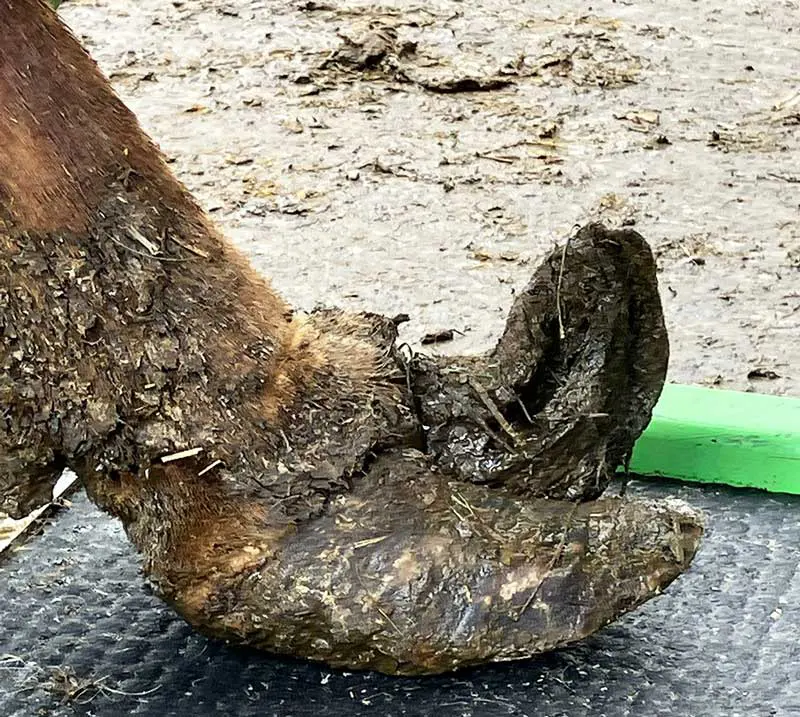
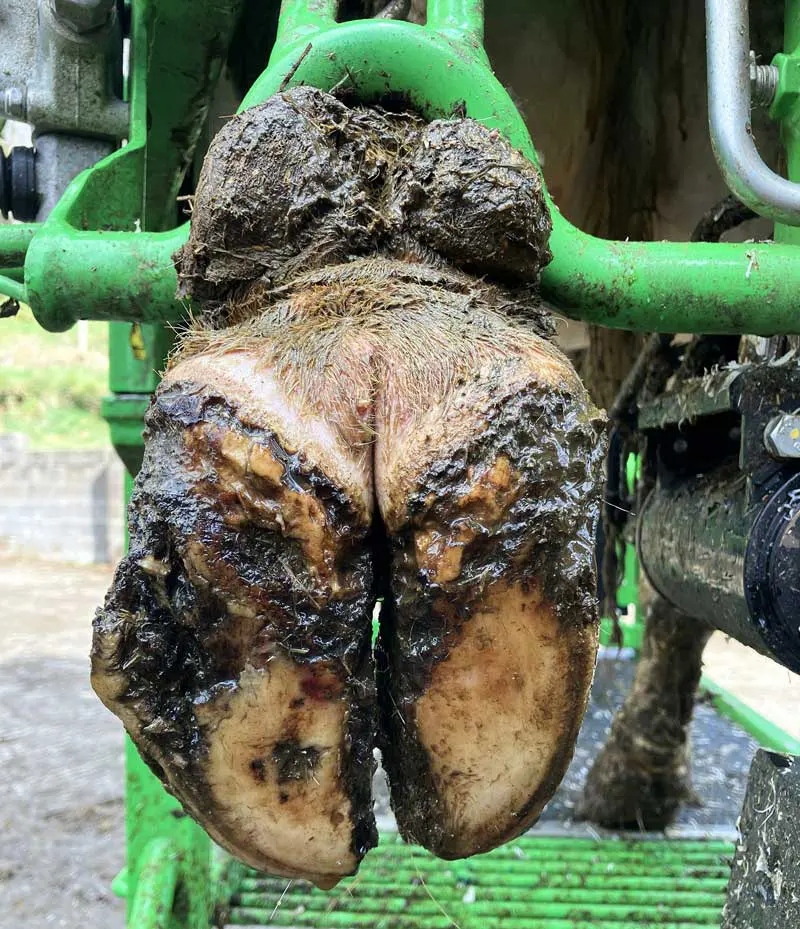
When trying to identify the main causes of lameness, typically records can be incomplete or only treatments may be recorded rather than the actual lesion itself. In some instances, if no facilities to allow in house treatment exist, this can be delayed until the problems are chronic in nature (Figure 2) and/or enough lame cows are available for a professional foot trimmer to visit.
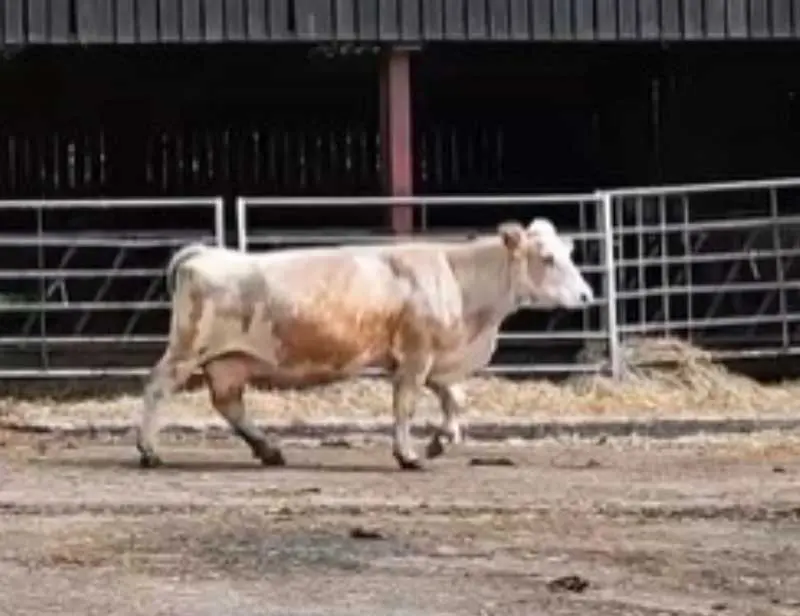
While early detection and prompt effective treatment (EDPET) is a key component of lameness management, its application in a beef herd is considerably more challenging when compared to dairy cattle that are handled daily. This is why training farmers in earlier detection and encouraging screening of animals at every available opportunity is key, whether this be TB testing, undertaking group changes or gathering and handling for management tasks. In the absence of any unique scoring system for beef cattle, the AHDB 0-3 mobility scoring system is extrapolated to beef (Figure 3).
While discussing early signs of lameness is crucial, this must be followed up with more timely treatment to ensure maximum success rates. The Carnau Cadarn – Beefed Up Mobility survey revealed systemic antimicrobial treatment is still frequently considered as the gold standard treatment in all cases. Although we have seen a shift away from antimicrobials in the treatment of dairy cattle lameness towards NSAIDs, this now needs to be emphasised in beef cattle, too. While antimicrobials are advocated for foul in the foot and conditions affecting the joint, they are not required for uncomplicated claw horn lesions such as white line or sole ulcer. This reinforces the need for accurate lesion recognition in the first instance.
A significant challenge with addressing beef versus dairy lameness is the greater variety of breeds and management systems encountered – from lowland to mountain farms and suckler to finishing units. However, taking a tailored approach based on the main lesions causing lameness, and then targeting interventions at the specific risk factors for each lesion, helps maximise the return on both time and financial investment.
Just like in dairy cattle, broad categories or “success factors” are useful areas to focus on and consider during the risk assessment of the farm. These are:
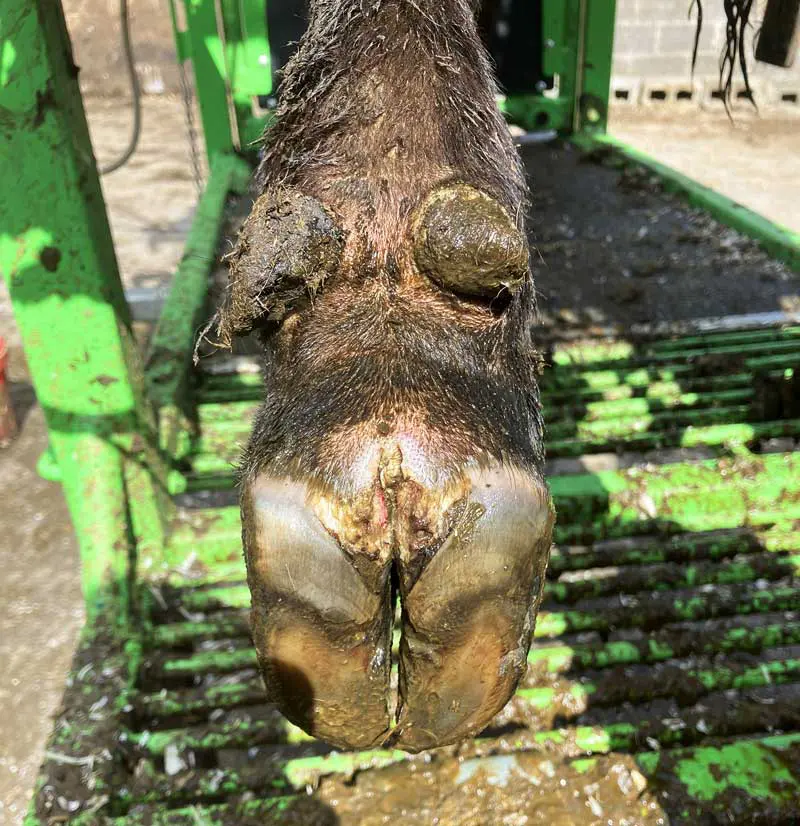
Historically, digital dermatitis was considered predominantly a dairy disease, but this is no longer the case. As a result of a rise in integrated dairy-beef or mixed beef and sheep farms, an increase in the number of beef herds experiencing challenges with digital dermatitis has been reported. It can be a particular challenge for finishing units where multiple sourcing increases the risk of introduction. One of the key factors is good biosecurity, and while we tend to think of this as an issue between farms, when it comes to digital dermatitis, it becomes important at the individual animal level.
Some practical ways to address this are by thinking about biosecurity at every level.
Keep it out. When digital dermatitis is not present on a farm, the greatest risk of introducing it is through purchased stock; therefore, careful purchasing is required, and it is also good practice to disinfect cattle’s feet as they arrive on farm, as well. Due to the links between digital dermatitis in cattle and contagious ovine digital dermatitis in sheep, it is also important to consider risk when purchasing sheep, or having them on tack, too.
Stop it spreading. Where digital dermatitis is present in one group but not others, every effort must be made to stop it spreading. Infected slurry is a transfer risk, so scrapers and shared yards are all potential transition routes. Once it is present, footbathing becomes an essential part of control to enable frequent foot disinfection and reduce the risk of spread from animal to animal. Footbath design is crucial, with a permanent, fixed footbath being preferable to encourage calm passage.
While lameness in beef cattle is not as prevalent as in dairy cows, it still can have a significant impact on animal welfare, productivity and sustainable beef production. It also remains an area of frequent antimicrobial usage; therefore, improving foot health in the beef industry represents an opportunity to improve many different areas.
Vets are ideally placed to support beef farmers in developing tailored, evidence-based lameness control programmes that improve welfare, productivity and antimicrobial stewardship.
Sara Pedersen graduated from the RVC in 2005 and has since worked exclusively with farm animals – predominantly dairy cattle. She is an RCVS specialist in cattle health and production and runs Farm Dynamics, a consultancy business involved in research, training and teaching at a number of vet schools. Sara is also a member of the Wales Animal Health and Welfare Framework Group and BVA’s Welsh branch.