
01 May 2026
A look at how livestock vets can help play a part in ensuring sustainable use of antiparasiticides.


For UK livestock vets, parasite control is entering a critical phase. What was once a routine, often calendar-driven intervention is now under increasing scrutiny – not only because of rising resistance, but because the pipeline of new antiparasitic products is uncertain.
As Gustavo Sabatini, global technical manager for ruminant antiparasitics at Boehringer Ingelheim, explains, bringing a new product to market is neither quick nor guaranteed. “From ideation to launch, it typically takes 10 to 15 years, with costs reaching up to €100 million, and even then, only a tiny fraction of compounds ever make it through development,” he says.
That long timeline, coupled with increasing regulatory demands around environmental safety and food residues, means the industry cannot rely on a steady flow of new actives. “We cannot expect new antiparasitic products to be launched every 5 to 10 years,” Mr Sabatini adds. “Resistance is increasing, but new product development is not keeping pace.”
Against this backdrop, the imperative is clear: the veterinary sector must step up to help preserve the efficacy of existing treatments, or face a future where some farms may no longer be able to support cattle or sheep production.

For many years, blanket dosing and seasonal treatment protocols have been standard practice. However, growing evidence suggests this approach is no longer sustainable.
“The shift away from blanket parasite control treatments is being reinforced by growing field data,” says Matthew Berriman, senior clinical director at Rosevean Veterinary Practice. “Sustainable parasite control in dairy youngstock relies on using treatments strategically rather than routinely.”
Mr Berriman highlights the scale of the resistance challenge already facing UK farms. “Data collected last year showed that around 50% of herds had some level of resistance to avermectin-type wormers,” he notes, warning that continued reliance on blanket treatments will only accelerate this trend.
Central to a more sustainable approach is the use of diagnostics to inform treatment decisions. Rather than treating all animals as a precaution, the focus is shifting towards identifying those that will genuinely benefit.
“Faecal egg counts are a valuable tool to help guide treatment decisions, allowing animals to be treated only when parasite burdens reach levels likely to affect health and performance,” Mr Berriman explains.
This targeted use of antiparasitics does more than reduce unnecessary treatments, it helps maintain drug efficacy by lowering selection pressure for resistance.
Sabatini reinforces this point, noting that, “the development of resistance is closely linked to how frequently antiparasitic products are used.” More strategic use, and even reducing their use, are the most effective interventions available.

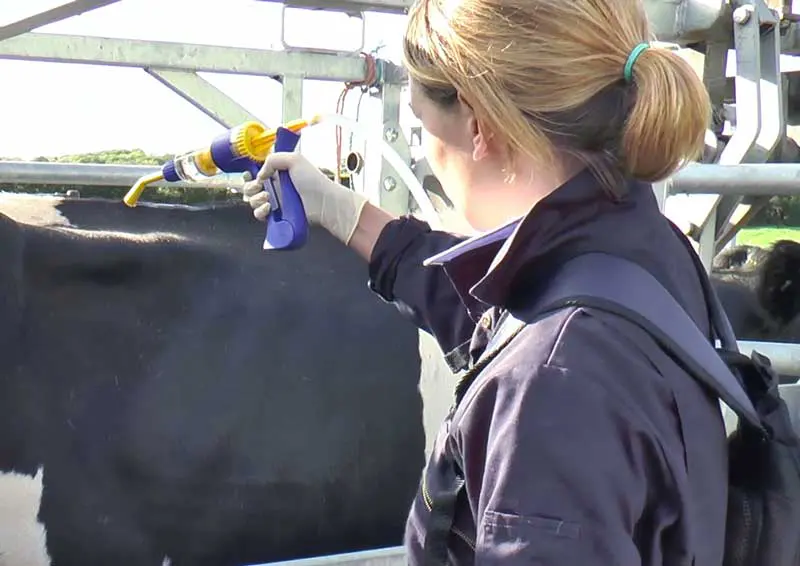
Alongside deciding whether to treat, how treatments are administered is equally critical. This aspect is often overlooked since most treatments are carried out by producers rather than vets, but application technique can have a significant impact on treatment effectiveness.
Poorly applied antiparasitic treatments can be costly on multiple levels: wasted product, increased labour, and in some cases the need to repeat treatments if efficacy is compromised. More importantly, under-dosing or inconsistent administration can expose parasites to suboptimal drug levels, creating ideal conditions for resistance to develop.
This is an area where vets can exert real influence. By ensuring farmers are selecting the right product, dosing accurately, calibrating equipment correctly and applying treatments at the optimal time, veterinary teams can help maximise efficacy while reducing unnecessary cost and risk.
The move away from routine treatments places vets firmly at the centre of parasite control planning. Farm-specific strategies, built around monitoring and risk assessment, are becoming essential.
Berriman emphasises that this does not have to be overly complex. “Veterinary practices can take much of the complexity and confusion away from the producer by offering guidance, faecal egg sampling and treatment planning, which can be easily built into routine herd health plans,” he says.
Working collaboratively with farmers to design tailored parasite control programmes not only supports better health outcomes, but can also improve productivity. Strategic treatment has been shown to support growth rates in youngstock, with long-term benefits for fertility and performance.
While anthelmintic resistance continues to emerge globally, the prospect of new solutions remains uncertain. As Sabatini points out, even historically, gaps between new chemical classes being launched have been measured in decades rather than years.
At the same time, regulatory pressures – particularly around environmental impact – are increasing. “The bar for product registration is getting higher, especially in Europe,” he explains, adding that this will likely extend development timelines even further.
The implication is unavoidable: the industry must act now to protect what it already has.
For livestock vets, this shift represents both a challenge and an opportunity. Moving away from blanket treatments towards evidence-based, selective use of antiparasitics requires a change in mindset, but it also reinforces the value of veterinary input.
By promoting testing before treating, encouraging regular monitoring, and working closely with farmers to develop sustainable plans, vets can play a pivotal role in preserving treatment efficacy for the future.
As Sabatini puts it, “we all need to take care of the currently available antiparasitic treatments, because we cannot rely on new products arriving in time to solve the problem.”
The message is clear: sustainable use of antiparasitics is no longer optional, it is essential.