
03 August 2026
This article discusses a common presentation in first opinion practice – and how to navigate client conversations clearly and confidently.

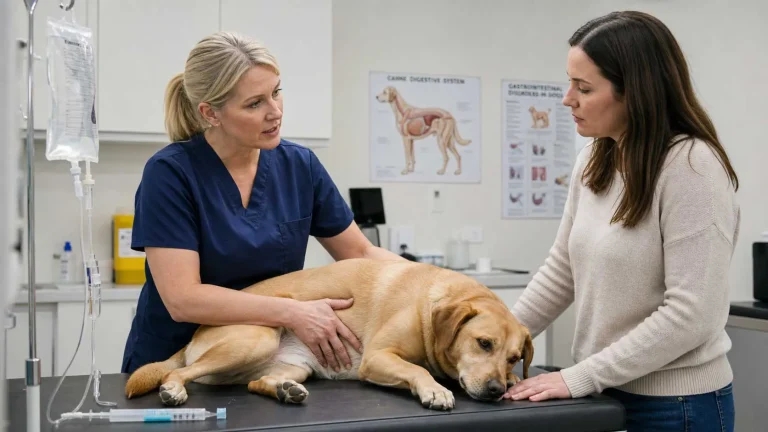
Acute gastroenteritis is one of the most frequent presentations in first opinion practice. While many cases resolve quickly with supportive care, others require investigation. For vets and nurses, this creates a real clinical and communication challenge: how do you explain the reasoning behind different approaches to worried owners, particularly when cost is a concern? This article explores how to navigate that conversation clearly and confidently.
Bailey presents mid-morning with vomiting and diarrhoea that started the night before. The owner reports that Bailey was fine the previous day, ate a normal breakfast and then vomited twice. The diarrhoea started a few hours later. Bailey is still bright and eating, though less enthusiastically than usual.
On examination, Bailey is alert and responsive. Mucous membranes are pink and moist, capillary refill is normal and the abdomen is soft with no obvious pain. Routine bloods aren’t showing any alarming changes in hydration parameters. There’s no fever.
The presentation is classic for acute gastroenteritis. But here’s where the clinical path splits: do you start with conservative management and see how Bailey responds, or do you recommend diagnostics now to rule out more serious underlying causes?
This approach focuses on supportive care: withhold food for 24 hours, provide access to water (small frequent sips to prevent re-vomiting) and monitor closely at home. Most acute gastroenteritis cases – particularly in young, previously healthy dogs – resolve within 48 to 72 hours without further intervention.
The clinical reasoning is sound. Without concurrent systemic signs (fever, lethargy, abdominal pain and dehydration), and with normal basic blood work, the evidence points to simple dietary indiscretion or viral/bacterial gastroenteritis. These typically respond to rest and supportive care.
Cost to owner: minimal. A recheck exam in 24 to 48 hours (if symptoms persist) might be £40 to £60.
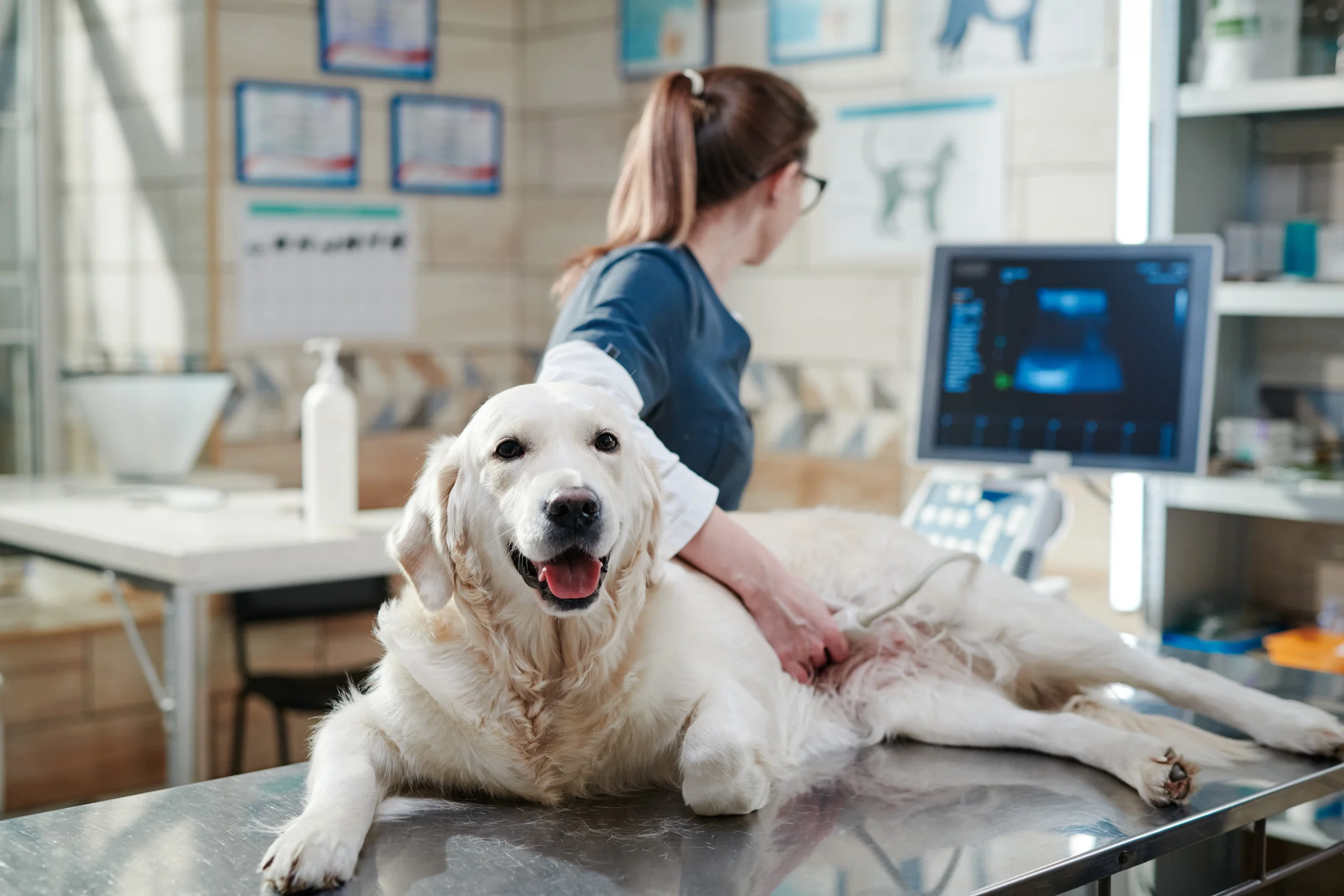
This approach includes additional diagnostics: abdominal imaging (ultrasound or radiographs), possibly faecal testing and potentially endoscopy if initial findings warrant it. The goal is to rule out more serious underlying causes: foreign body, pancreatitis, inflammatory bowel disease, or other structural or metabolic issues.
The clinical reasoning is equally valid. While many cases are simple gastroenteritis, some are not. Early diagnosis of a foreign body, for example, can prevent complications and reduce the total cost of treatment. Imaging also provides reassurance for the owner that nothing serious has been missed.
Cost to owner: moderate to significant. Ultrasound imaging: £150 to £300. Radiographs: £100 to £200. Faecal testing: £30 to £80. If findings warrant further investigation, costs escalate.
The evidence supports either path, depending on context. For Bailey – a young, generally healthy dog with normal examination findings and no red flags – conservative management is clinically appropriate and cost-effective. But if Bailey were older, had a history of dietary indiscretion (including known pica) or showed any concerning clinical signs, earlier imaging would shift the balance.
The decision isn’t binary. It’s about clinical judgement, owner circumstances and risk tolerance – all of which should be discussed openly.
Start with clarity. “Bailey has acute gastroenteritis – that’s inflammation of the stomach and intestines. The good news is that Bailey is bright, hasn’t lost weight and our examination doesn’t show any signs of serious underlying disease. We can approach this in two ways, and I want to explain the reasoning behind each so you can decide what’s right for Bailey.”
“Most cases like Bailey’s resolve on their own. We’d recommend withholding food for 24 hours, offering small amounts of water, and monitoring closely at home. You’d watch for signs of improvement – less vomiting, more normal appetite. If Bailey is better by tomorrow, we can gradually introduce food back in. If symptoms worsen or don’t improve, we’d then do imaging to rule out anything more serious. This approach costs less upfront and avoids unnecessary investigation in cases that are likely to resolve simply.”
“Alternatively, we could do ultrasound imaging today. This would let us look inside Bailey’s abdomen and check for things like foreign objects, blockages, or inflammation in the pancreas. It gives us more information now, which some owners prefer because it provides reassurance that we haven’t missed something. It does cost more upfront, but if something is found, early diagnosis can actually save money in the long run by preventing complications.”
“I’d be comfortable with either approach. Bailey’s exam is reassuring, which is why conservative management is reasonable. But if you’d prefer to know more now, or if you’re concerned given Bailey’s history, imaging is certainly available. What matters most is that you’re confident with the plan and that you know what to watch for at home.”
Many owners won’t raise cost explicitly – they’ll just choose the cheapest option or seem hesitant. Open the conversation yourself.
“I know imaging adds cost upfront. If money is a consideration, conservative management is very reasonable given what we’re seeing. But if that changes – if Bailey isn’t improving or you become worried – we can always do imaging later. The important thing is having a clear plan and knowing what needs to change for us to reassess.”
Mention insurance if it’s relevant:
“Do you have pet insurance? Many policies cover diagnostics and treatment for gastroenteritis, so imaging might be covered depending on your policy. It’s worth checking your documents or contacting your insurer to understand what’s covered.”
In everyday practice, patients can present with a wide range of unexpected conditions, and having appropriate insurance in place can help support more confident clinical decision-making. When owners are financially prepared, discussions around diagnostics, treatment options and ongoing care can often be more straightforward and focused on achieving the best possible outcomes.
Agria policies offer up to £20,000 of veterinary fee cover*, helping to provide owners with reassurance and enabling practices to pursue appropriate investigations and treatment plans during times of uncertainty.
*With our Lifetime Premium policy. Vet fees reinstated each year provided you renew your policy each year without a break in cover. Terms and conditions apply.
Once an owner chooses a pathway, reinforce what comes next: