
27 Jan 2026
Decade of collaboration: focus on Veterinary Osteoarthritis Alliance
Greg McGarrell BSc, MBA explains how the alliance came to be and what it stands for nearly 10 years later.

Greg McGarrell
Job Title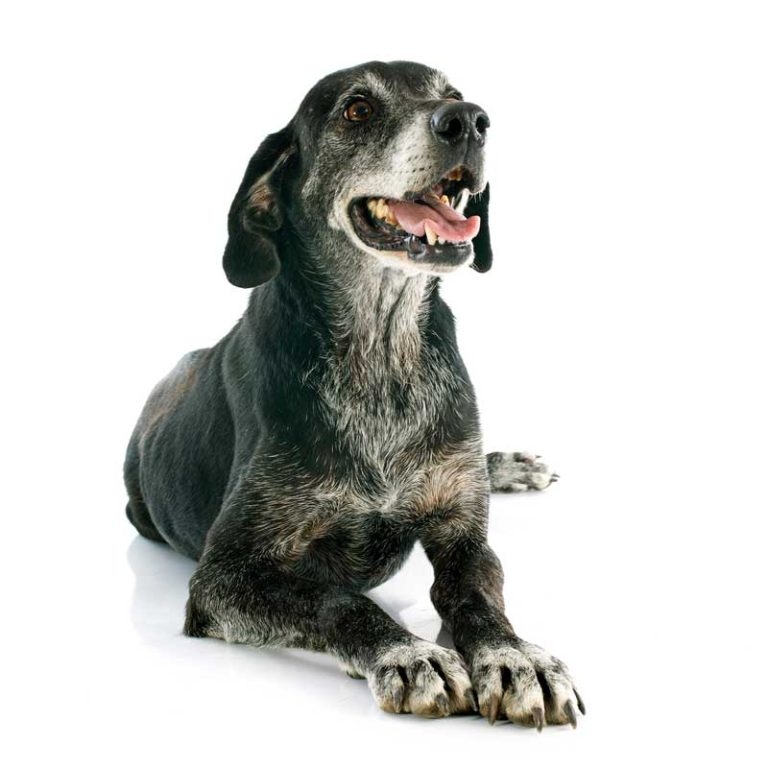
Image: © cynoclub/ Adobe Stock
Osteoarthritis (OA) remains one of the most common and consequential conditions encountered in veterinary practice. It affects animals across species, ages and lifestyles, and yet its management is still characterised by variation in approach, language and long-term planning.
Despite significant advances in diagnostics, therapeutics and rehabilitation, many animals continue to experience inconsistent outcomes, often influenced as much by system and communication factors as by clinical decision-making itself. It was this reality that led to the formation of the Veterinary Osteoarthritis Alliance (VOA) in 2016 by Stuart Carmichael and Greg McGarrell. As the VOA approaches its 10th anniversary in 2026, it provides an opportunity to reflect not only on why it was founded, but why its role is increasingly important for the profession and the wider veterinary industry. From the outset, the motivation behind the VOA was not to introduce yet another guideline or promote a single philosophy of care; instead, it was born from a recognition that OA sits at the intersection of multiple disciplines and stakeholders, and that meaningful progress would only come through collaboration. OA care involves veterinary surgeons, veterinary nurses, physiotherapists, researchers, educators, industry partners and, critically, pet owners.
Historically, these groups have often worked in parallel rather than together. The VOA was established to act as a unifying platform – an alliance in the true sense of the word – bringing these perspectives together around a shared goal: improving the quality, consistency and sustainability of OA care.
One of the key challenges the VOA sought to address was the fragmentation of knowledge and practice. OA is a lifelong condition, yet it is frequently managed episodically. Assessment methods vary, follow up can be inconsistent, and communication with owners is often compressed into short consultations that struggle to convey the chronic and progressive nature of the disease. This can leave owners uncertain, clinicians frustrated, and animals under-served.
Systems
Central to the VOA’s approach has been the belief that OA care is not solely about interventions, but about systems. It is about creating structured, repeatable approaches that can be delivered reliably within busy practices, by whole clinical teams, over time. This philosophy underpins much of the alliance’s work, including its educational output, communication frameworks and practice-level initiatives.
Veterinary nurses play a particularly important role in this model. OA management depends on continuity, monitoring, owner engagement and realistic expectation-setting – areas where nursing teams are often pivotal. From its early days, the VOA has deliberately promoted a team-based view of OA care, recognising that sustainable outcomes are rarely achieved by clinicians working in isolation.
Equally important has been the role of the pet owner. OA cannot be successfully managed without informed, engaged and supported owners who understand both the condition and the long-term plan. The VOA has consistently emphasised the need to move away from one-off conversations and towards shared decision-making, supported by clear language and consistent messaging across the clinical team. These principles have translated into tangible outputs. Alongside multidisciplinary education and constructive dialogue between clinicians and researchers, the alliance has focused on how good OA care can be recognised, embedded and sustained within everyday practice.
Blue Paw scheme
A key development in this area is the Blue Paw scheme, which promotes cutting-edge, evidence-informed OA education across the veterinary profession.
The Blue Paw framework is designed not as a marketing device, but as a professional standard-setting tool. Through the Blue Paw register of active holders and the register of accredited practices – both in place at the time of publication – the profession is provided with a transparent way to identify individuals and practices that have made a demonstrable commitment to structured, team-based OA care. Importantly, these registers are intended to support the profession internally as much as externally. They offer practices a mechanism to benchmark standards, promote good clinical culture, support team development and communicate clearly with clients about the level of care being delivered. In this way, Blue Paw functions as both an educational driver and a practical framework for improving consistency and confidence in OA management.
The VOA’s emphasis on cultural change is also reflected in applied initiatives such as the Impact Mobility Clinic Project. This project provides real-world evidence of how structured mobility assessment, consistent language and team-led OA pathways can alter clinical behaviour, improve owner engagement and embed OA care as a routine, proactive service rather than a reactive response. Such projects demonstrate that meaningful change is achievable when education is paired with practical implementation.
A defining feature of the VOA has been its relationship with industry. From the beginning, the alliance recognised that industry plays a vital role in advancing OA care, through research, innovation, education and resourcing. At the same time, credibility depends on independence and transparency. The VOA has, therefore, adopted a clear ethical framework that welcomes industry involvement while keeping education and clinical integrity at its core. This balanced approach has allowed meaningful collaboration without blurring the line between education and promotion.
This collaborative ethos is perhaps best exemplified by the Veterinary Osteoarthritis Alliance Congress (VOACON). Created to provide a dedicated forum for OA, VOACON reflects the belief that OA deserves focused attention as a complex and evolving area of veterinary medicine. The congress brings together veterinary surgeons, nurses, rehabilitation professionals, researchers and industry partners in a genuinely multidisciplinary environment, with an emphasis on real-world challenges, practical learning and shared problem solving.
Second decade
As the VOA enters its second decade, the context in which it operates continues to evolve.
Animals are living longer, expectations around quality of life are rising, and the volume of available data, diagnostics and treatment options is expanding rapidly. Against this backdrop, the need for collaboration, consistency and clarity has never been greater.
The VOA’s role moving forward is not to dictate how OA should be managed, but to support the profession in navigating complexity with confidence. By bringing together clinicians, nurses, researchers, industry and owners under a shared banner, the alliance aims to help convert innovation into impact, and education into consistent delivery.
Ten years on from its founding, the VOA remains rooted in the same principle that inspired its creation in 2016: that better outcomes for animals with OA are achieved not through silos, but through partnership.
VOACON 2026 will be held on 20-21 May at Holywell Park Conference Centre, Loughborough. For further information, visit www.vet-oa.com
- This article appeared in Vet Times (27 January), Volume 56, Issue 4, Pages 12-13
Greg McGarrell is a veterinary industry executive with a background in biomedical science, regenerative medicine and musculoskeletal health. He is chief executive of Nupsala Group and MSK-Vets.