
03 August 2026
This article looks at how to frame conversations around a common condition – but one that is among the most underdiagnosed and untreated.

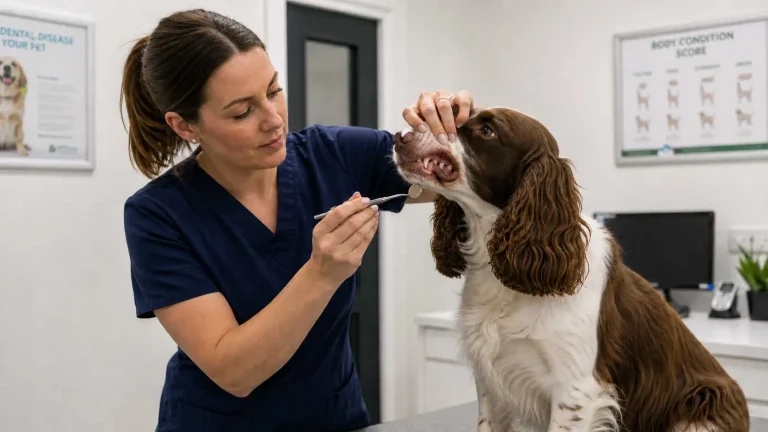
Dental disease is one of the most common conditions in small animal practice – and one of the most underdiagnosed and untreated. The challenge isn’t clinical; it’s conversational. Owners often don’t recognise that dental problems are serious, they underestimate the cost of advanced disease and they’re often shocked by the price of preventive care. For vets and nurses, framing dental conversations requires patience, clarity and a clear explanation of the long-term cost of inaction.
Max presents for his annual health check. The owner mentions that Max hasn’t been himself – a bit quieter than usual, and less interested in chew toys. On examination, you detect moderate plaque and tartar, mild gum recession on the canines, and some bleeding on probing. You estimate stage 2 periodontal disease with early gingivitis.
You recommend a professional dental clean under anaesthesia, including possible extractions depending on what you find once you’ve scaled and probed more thoroughly. The owner’s reaction: “But his teeth look fine to me. Isn’t this unnecessary? And why is it so expensive?”
This is the moment where the conversation becomes critical. The owner is about to choose inaction. Your job is to help them understand what inaction actually costs – both to Max and to their wallet.
Professional scaling, polishing, and extraction of compromised teeth now. Cost: £200–400 depending on severity and number of extractions. Time: Half-day anaesthesia.
Benefit: stops disease progression, eliminates pain, prevents systemic complications (bacteria from dental disease can affect the heart, kidneys, and liver) and maintains quality of life. Long-term maintenance with regular home care and professional cleaning annually keeps Max comfortable and costs minimal going forward.
Do nothing now. Monitor at home. The owner is unlikely to brush teeth daily (studies show fewer than 10% of owners do), so disease will progress.
Likely timeline: Across 2 to 3 years, plaque accumulates, gum disease worsens, bone loss increases and teeth become loose and painful. By age 7 or 8, Max may have advanced periodontitis, multiple loose teeth, possible root abscesses, and either chronic low-level pain or acute infection.
Cost if disease progresses: comprehensive dental work on an older dog, often multiple extractions (£800 to £1,500-plus), plus potential complications: kidney or heart problems requiring additional diagnostics and treatment. Total cost: £1,500 to £3,000-plus.
Risk if disease progresses: Max experiences chronic pain, which may manifest as behaviour changes, reluctance to eat hard food, weight loss or increased irritability. Systemic infection from dental disease is also a real risk.
Three common objections:
The owner’s perception of dental health is visual; yours is clinical. You’re seeing inflammation and early bone loss that aren’t visible on the surface. This is the most common disconnect.
Legitimate concern, particularly with older dogs. But anaesthesia at age 5 is much lower risk than at age 8 with multiple comorbidities. And modern protocols – preoperative bloods, monitoring, local anaesthesia – make dental procedures increasingly safe.
True – preventive dental care costs money upfront. But owners are often comparing upfront cost to perceived benefit (“his teeth look fine”), not to the cost of inaction. They’re not thinking about what happens in 3 years.
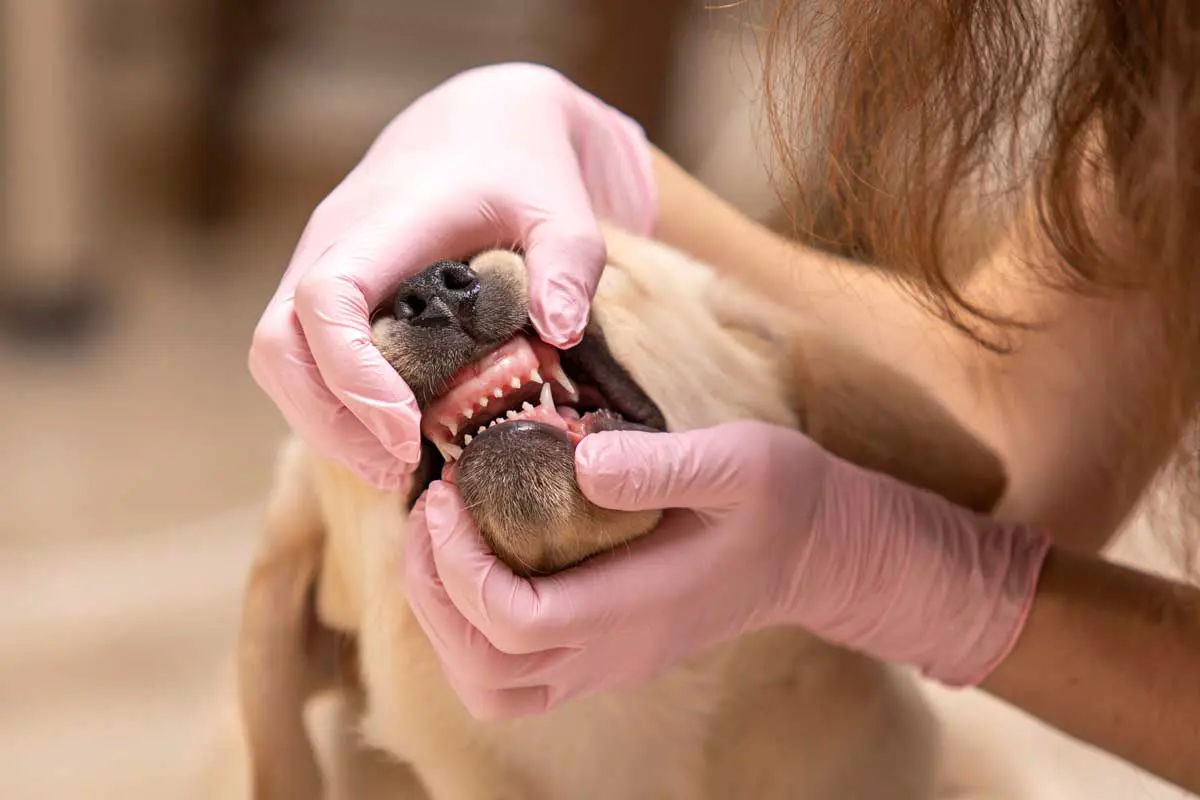
Use the intraoral camera. Let them see the plaque, tartar and gum recession themselves. This closes the perception gap. “See how the gum is pulling back here? And this yellow buildup is tartar. Underneath, bone is already starting to be lost. You can’t see that yet, but it’s happening.”
If you don’t have an intraoral camera, use your mirror and good lighting. Point out specific areas. Make it visual and real.
“If we don’t address this now, the bacteria will continue to break down the bone around Max’s teeth. Over the next couple of years, more teeth will become loose and painful. Max might be reluctant to eat, lose weight or seem uncomfortable. By the time he’s older, we may need to extract most of his teeth – which is a much bigger, more expensive procedure than cleaning them now.”
“A professional clean now is £250. If we do nothing and dental disease progresses, extraction of multiple teeth at age 7 or 8 would be £1,000 to £1,500. Plus, he’d experience pain along the way. The upfront cost seems high, but it’s actually the cheaper, kinder option.”
“I understand anaesthesia feels risky. But Max is young and healthy. We’ll do blood work beforehand to make sure his organs are ready. We use modern, reversible anaesthetics, and we monitor him throughout the procedure – heart rate, oxygen, blood pressure. Honestly, the risk of not addressing dental disease – chronic pain and infection – is actually higher than the risk of the anaesthesia itself.”
“If we do this now, then moving forward, it’s about maintaining what we’ve done. That means daily tooth brushing at home – I know, easier said than done – but even 3 to 4 times a week helps. And an annual professional clean. That costs much less than managing advanced disease.”
“Do you have pet insurance? Some policies cover dental cleaning as preventive care or include it in their wellness packages. It’s worth checking, because this could reduce your out-of-pocket cost.”
Agria Free Cover provides a simple way for practices to help protect patients from as early as 8 weeks of age, with no upper age limit. Introducing cover at the point of first consultation can offer reassurance to owners, while supporting continuity of care as pets adapt to new homes and environments.
While Agria Free Cover is designed to support accidental injury, it helps open conversations around longer-term protection. For owners considering ongoing cover, a full Agria policy includes dental illness cover* as well as injury.
*Excludes routine check-ups, including descaling and polishing, and elective or cosmetic treatments are not covered. Terms and conditions apply.
Sometimes owners won’t agree to treatment. That’s their right. But document it clearly and leave the door open.
“I understand. Just so we’re clear: Max has early periodontal disease. We’ve recommended a professional clean to stop it from progressing. If you’d prefer to wait, we’ll monitor at his next check-up. If symptoms develop – if he’s reluctant to eat or you notice anything changing – please bring him back. Dental disease can progress quickly, so we want to catch any changes early.”
Visit the Agria Cost of Care Conversations hub for more case-based guides