
05 November 2026
Vet Lars Mortensen, DVM, MRCVS, the senior veterinary advisor for Agria UK, discusses a perfect condition for applying contextualised care in veterinary practice.

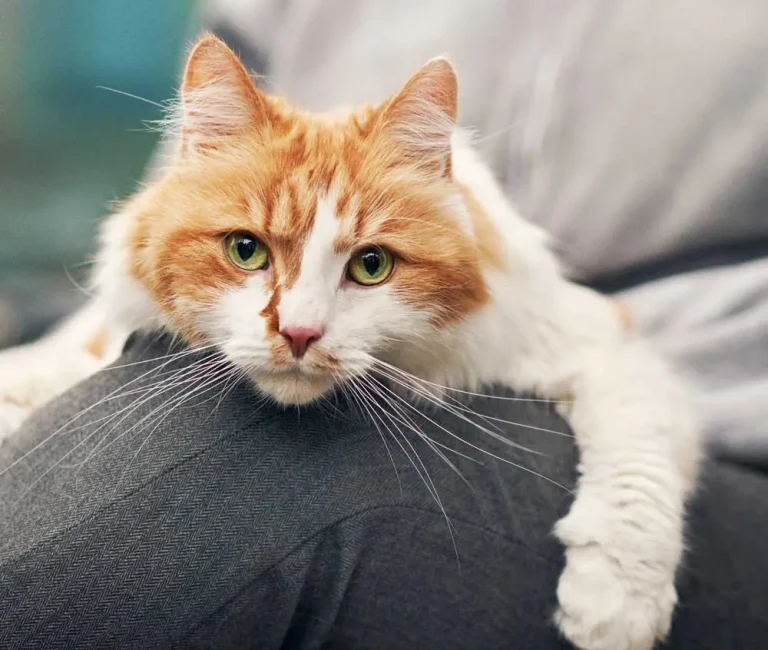
Feline hyperthyroidism involves the whole veterinary team, from reception and consulting vets to nurses and surgical staff. Each has opportunities to contribute to owner communication, investigation, treatment as well as possible surgery and monitoring.
The diagnostic pathway is relatively simple, but the challenge can often be to navigate the many treatment options. A hyperthyroid case can be the perfect condition when it comes to applying contextualised care in veterinary practice and helping the cat begins with us finding the treatment option that is both affordable and manageable for the owner, both now and in the long term.
Classic signs of feline hyperthyroidism include weight loss despite increased appetite, PU/PD, hyperactivity, nervousness, vocalisation, poor coat condition, gastrointestinal signs, muscle wasting and tachycardia/tachypnoea. In the rare apathetic form, cats can present with lethargy, weakness and reduced appetite. Thyroid enlargement may be palpable, but ectopic thyroid tissue should also be considered.
The disease develops gradually, affecting welfare, kidney and cardiac health. Cats may present severely underweight, with owners fearing a very poor prognosis. In these cases, extra time may be needed to explain the diagnosis, treatment options and costs, particularly when owners are unaware the condition may be treatable.
We also need to treat these cats with extra care when restraining them for blood sampling as some patients can be very nervous and suffer from advanced cardiovascular disease.
These blood tests should ideally be performed before starting antithyroid medication in order to rule out differentials and concurrent disease as well as to identify medical contraindications and provide baseline reference values for future monitoring.
Good open client communications at this stage can help avoid misunderstandings, manage expectations and also open a dialogue about the potential cost of treatment and monitoring (where applicable).
Some clients will be on a budget and our flexibility at this stage can have a positive impact on our ability to treat the cat successfully in the long term.
In the UK we have a number of available treatment options for feline hyperthyroidism. Below is a short summary of the available treatment with some considerations.
This is the cheapest option with only a slight additional cost compared to a general diet. The diet restricts the iodine intake to levels that are too low to sustain an overproduction of thyroid hormones while being just enough to provide for basic thyroid function. The diet is available in dry and wet forms and is also formulated to support heart and kidney health.
The reduced palatability and the need for this diet to strictly be the only food source can make it a difficult treatment to use in cats that go outdoors, require a special diet, or live in multi cat households.
The diet is a good first option in some cases and the absence of known side effects can make it an alternative for cats that experience side effects from antithyroid medications.
These oral medications come in liquid and tablet form and block the production of thyroid hormones. The effect can be titrated by adjusting the dose and it is the most common long-term treatment used due to a combination of relatively low cost and good compliance.
Side effects are seen in approximately 20% of animals with the vast majority of these being transient or manageable without stopping treatment. Approximately 5% of cases may have more severe side effects which are often reversible after cessation of treatment.
There are licensed options for both BID, UID and even EOD dosing at certain dose levels.
Regular blood monitoring is needed to stay within licence and the owner should be made aware of the reason for this so they can accept the risk of less frequent monitoring if this is chosen. If severe side effects are seen, then further treatment with antithyroid medications are not feasible.
Treatment at the standard starting dose can cost as little as £20-£30 per month plus monitoring costs.
This potentially curative surgery is still offered by many vets and represents a good cost option with typical prices varying from half to less than a quarter of the price of radioactive iodine.
Due to the need of an anaesthetic this option may not be an option for all patients.
Iatrogenic hypothyroidism and hypocalcaemia are rare risks and may require lifelong oral treatment.
Thiamazole gel is available to use under the cascade in the UK. The gel is applied to the inside of the pinnae and this treatment may be a good option to consider in cats that experience persistent gastrointestinal side effects from oral antithyroid medications or where oral compliance is poor.
This local radiotherapy is considered the gold standard with a success rate of 95% and is the only available treatment for thyroid carcinoma. The treatment is given as an oral capsule or subcutaneous injection and is only available in certain veterinary centres.
Due to veterinary staff safety, the treatment may not be suitable for cats with concurrent disease that require specific care or cats that are difficult to handle such as aggressive cats.
The treatment requires a prolonged stay at the clinic of at least 10-14 days and often longer.
Iatrogenic hypothyroidism is a rare side effect and the main concern as this may require lifelong oral treatment.
The risk of recurrence is considered lower compared to thyroidectomy.
The range of treatment options allows us to tailor care to each owner’s budget, lifestyle, abilities and expectations.
As owners may feel uncomfortable raising financial concerns, it is important that we initiate these conversations. In most cases, we can find an affordable and practical starting point while ensuring owners understand that treatment may need to be adjusted over time.
Although antithyroid medications may seem an acceptable monthly cost to many clients, we should also consider the long-term cost of treatment and monitoring compared to the cost of curative treatments. This becomes increasingly relevant the younger the cat is at the point of diagnosis.
These calculations should be made on the individual practice level to account for differences in the pricing of inhouse and external services.
By appreciating the benefits, limitations and costs of each treatment option, we can tailor care to individual patients and owners while successfully managing their expectations.
This gives us a perfect foundation for providing successful long term care for our hyperthyroid patients.