1 Nov 2026
Deborah James RVN, discusses the intricacies of the stages of healing and dealing with treatment.

Deborah James
Job Title
Image: Corri Seizinger / Adobe Stock
As a veterinary nurse, interaction with owners occurs on a daily basis. During firework season, and the festive season as a whole, this becomes more paramount than ever.
This particular time of the year brings prolonged, unpredictable triggers and veterinary nurses are key to guiding, supporting and ultimately preparing owners for this rather than waiting for the first spark of a firework.
While RVNs play an integral part on the physical requirements of their patients, the same emphasis should also be given to the mental and emotional needs of their patients by maximising the owner’s understanding regarding their pet’s exposure and how best to minimise their pets distress (Shepherd, 2009).
Studies suggest that around 49% of dogs are affected by loud noises in general and up to 83% of all dogs are affected by fireworks specifically (Blackwell et al, 2005).
The RSPCA receives hundreds of calls every year regarding fireworks. Between November and January 2018, it received 411 phone calls – an increase of 12% in 2013 (RSPCA, 2019).
A 2010 survey found that6% of cats and dogs suffer physical injuries as a result of fireworks; for example, in road traffic accidents when escaping (Dale et al, 2010).
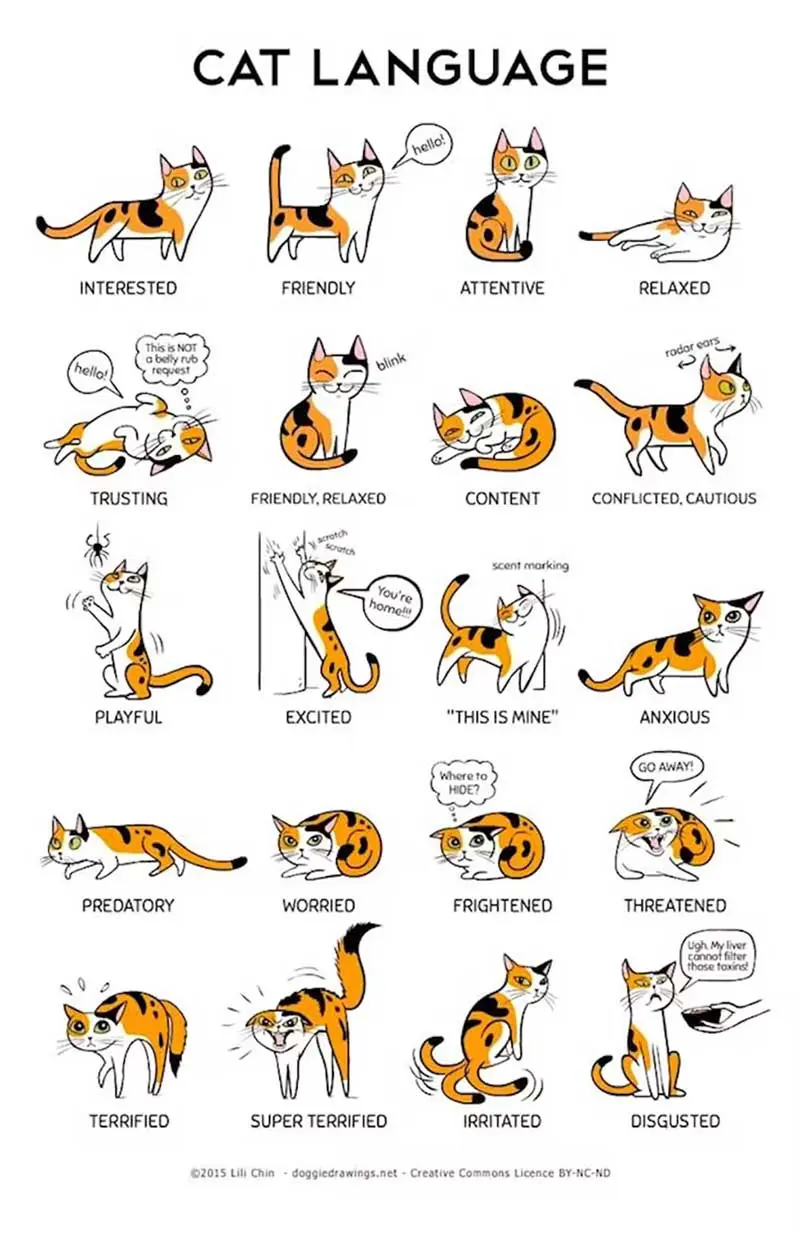
In regards to our feline pets, 34% of owners report their cat is fearful of fireworks, but it is likely that many cat owners underestimate the severity of the fear, as cats will display more passive signs of fear; for example, hiding rather than vocalising as dogs might (PDSA, 2018).
While all pets are likely to have a degree of sound sensitivity, some may be more at risk than others; veterinary nurses are in a prime position to identify these patients and provide additional support to these pets and their owners:
Owners may need assistance in identifying the signs their pets may show when anxious, and tools such as the “Doggie Language” (Chin, 2020) and “Kitty Language” (Chin, 2023) images can be a helpful visual tool for veterinary nurses to arm pet owners with. These are helpful, simple, annotated images that are owner friendly, ensuring owners do not feel completely overwhelmed with lots of information they do not actually understand.
They can attribute what their pet looks like to an image very quickly, enabling them to act in their pet’s interests sooner.

Sound sensitivity – whether it be fireworks or a crash of thunder – is an inevitable consequence of nature and while it cannot be avoided, owners can be encouraged to minimise the effects of that on their pets (Landsberg et al, 2013). The simplest way to do this is to create a safe place where the pet can control its level of exposure and its emotional state (Hargrave, 2014a).
For cats, this could be boxes and hideaways or raised areas away from the sound stimuli; for example, an igloo bed, cardboard boxes or even just under a bed.
For rabbits and small animals, providing darkened areas in rooms with sound proofing and ideally kept inside – or if they are always outside, then keeping them locked in their hut with lots of blankets and duvets (Hargrave, 2014a).
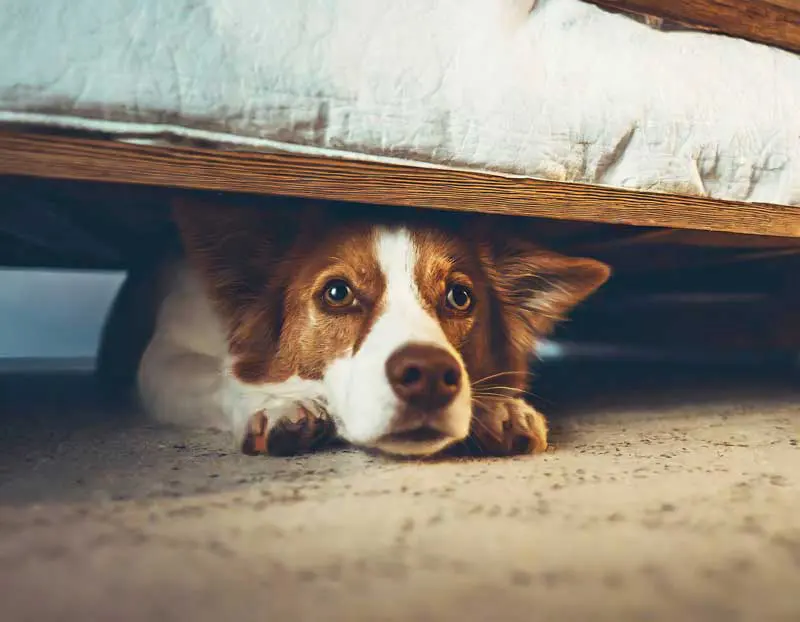
Dogs often will already have a safe space, but owners may not be aware of it – these are normally located in their crate, under or behind a piece of furniture or in a small room. Owners need to ensure their dog has constant access at these times; if they do not, dogs can become destructive in their desperation to get away (Bowen and Heath, 2005).
Safe spaces are vital in giving a pet a sense of control that allows them to cope and, over time, increase in confidence to spend time outside of the den despite the presence of the stimuli.
Feline facial pheromones and dog appeasing pheromones can be used around these safe space areas, too, to enhance coping and choice by their pet and reduce their fear response (Hargrave, 2014b). Nutraceuticals, anxiolytics and even benzodiazepines may also be required, and should be considered for patients that have a severe noise fear. Collaboration with the veterinary team is imperative to ensuring these particular patients receive the additional support they require.
A key study was conducted into the effectiveness of a variety of treatments in dogs with regards to fireworks. Riemer’s (2020) study included 1,225 dogs, 52% were at least partially affected by firework fear, demonstrating the scale of the problem.
The findings were as follows:
Regardless of which method or combination of methods is appropriate – because every patient is different – ensure that owners have started using the routine required for the pet a minimum of two weeks before the event, regardless of if this is just a safe space, nutraceuticals or noise recordings.
Veterinary nurses, therefore, have an important role in advocating for these patients and providing owners with proactive, evidence-based support before firework events occur. Veterinary nurses are ideally placed to identify early signs of noise fear, educate owners about prevention and preparation, encourage gradual desensitisation and counter-conditioning, help owners establish a safe environment and recognise when veterinary assessment and pharmacological support may be appropriate.
By initiating these conversations well before fireworks occur, veterinary nurses can advocate for the animal’s emotional welfare, empower owners to feel confident in supporting their pets, and help reduce the risk of fear escalating or becoming more difficult to manage over time.
Deborah James qualified from Hartpury College in 2017 with a BSc in veterinary nursing science and works as team leader at Vet’s Klinic. She has completed an ISFM certificate in feline nursing and is in her second year of her MSc in veterinary nursing at the University of Glasgow. She has two cats at home: Tipsy, a 10-year-old hand-reared cat, and six-year-old Frank. In her spare time, you can find Deborah snuggled with a book or teaching and participating in pole fitness and aerial arts.