
23 September 2026
Sam Taylor, BVetMed(Hons), PhD, CertSAM, DipECVIM-CA, PGCert(TLHE), FHEA, MANZCVS (Medicine of Cats), FRCVS discusses pragmatic team-based strategies for managing hyperthyroidism.

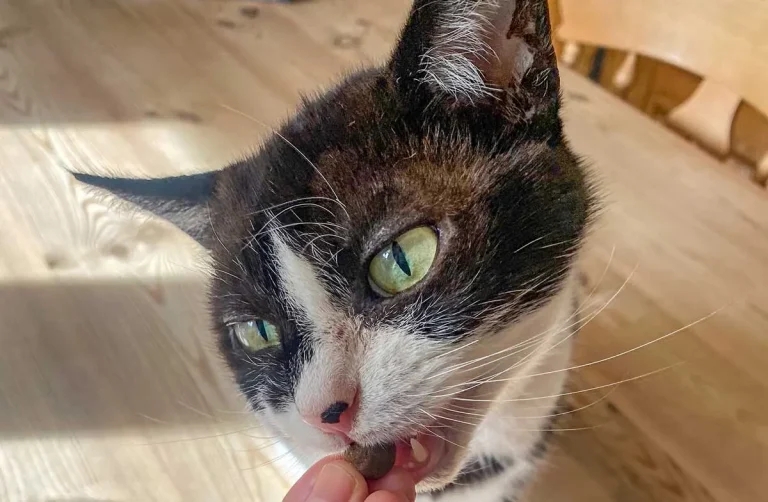
Figure 1. Caregivers are not always aware of how to give medications but pill putty-type products or liquid treats can be helpful. Image: Laura Watson.
Hyperthyroidism is the most common endocrinopathy diagnosed in cats, and clinicians will be very familiar with diagnosis and treatment. However, managing this condition is not without challenges, and optimising care means finding pragmatic ways to improve treatment compliance and personalise patient monitoring.
Many hyperthyroid cats are treated with oral antithyroid drugs. However, giving oral medication to cats is not easy. In one study (Taylor, Caney et al, 2022), 52% of owners reported that giving medications at home changed their relationship with their cat, 77% reported the cat tried to bite or scratch them and 72% refused medication in food. Another study reported 39% medication non-compliance (Odom, Riley et al, 2025).
Failure to administer medication for hyperthyroidism will result in ongoing unpleasant clinical signs and loss of body and muscle condition which carries a reduced survival time (Vagney, Desquilbet et al, 2018). Additionally, poorly controlled hyperthyroidism will have impacts on the heart, kidneys and other organs. Therefore, managing hyperthyroidism must include supporting caregivers to administer medication, not just prescribing the correct drugs.
For some caregivers, it is initially easy to give medication as the uncontrolled hyperthyroid cat is polyphagic, but as appetite normalises they may begin to struggle and be tempted to miss doses allowing the total thyroxine (T4) to creep up again.
Tips for medicating hyperthyroid cats include:
For some cats, orally medicating them has significant impacts on quality of life and alternatives such as transdermal methimazole or radioactive iodine, thyroidectomy or dietary management should be considered.
Within the same clinic clinicians may have different protocols for monitoring hyperthyroid cats. This can lead to confusion and caregivers failing to arrange appointments, particularly if cats are perceived as doing well.
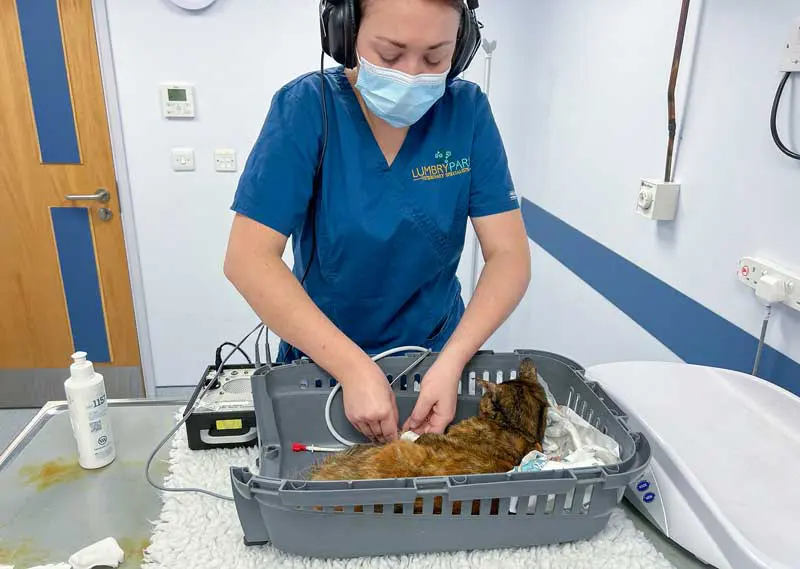
However, monitoring is important to identify complications such as hypertension, which can develop during treatment for hyperthyroidism, even if not present at diagnosis (Taylor, Sparkes et al, 2017). Monitoring is also important to allow dosage adjustments given that hyperthyroidism is a progressive disease (Peterson, Broome et al, 2016), with escalations in medical management often needed over time to maintain euthyroidism.
Additionally, cats with hyperthyroidism are at an age where they may develop comorbidities, which could be missed without regular assessment. Caregivers can be reluctant to present senior cats to the clinic, worrying that this will cause the cat distress or lead to testing and intervention they would rather avoid. Considering how to make the clinic visit cat friendly, can help improve attendance to follow-up appointments (see https://icatcare.org/cat-friendly-clinic).
Although having a fixed “protocol” for monitoring hyperthyroid patients in the clinic can simplify advice, it may need to be adjusted for the individual cat and caregiver and according to the treatment modality selected. The following can be considered:
Successful treatment of hyperthyroidism involves regaining lost weight. However, we are increasingly recognising the importance of muscle condition score as a way of assessing health in senior cats. ‘Frailty’ and loss of muscle can reduce quality of life and is negatively associated with survival (Chandler, 2026; Figure 3) yet may not show on the scales. Assigning hyperthyroid cats a muscle condition score (MCS, see https://www.wsava.org/nutrition-toolkit) at each re check can identify those needing further intervention. Such interventions include taking an accurate nutritional history, improving calorie intake and diet quality (particularly in terms of protein), pharmaceutical interventions and supplementing with fish oils. Future directions may include probiotics and creatine for example.
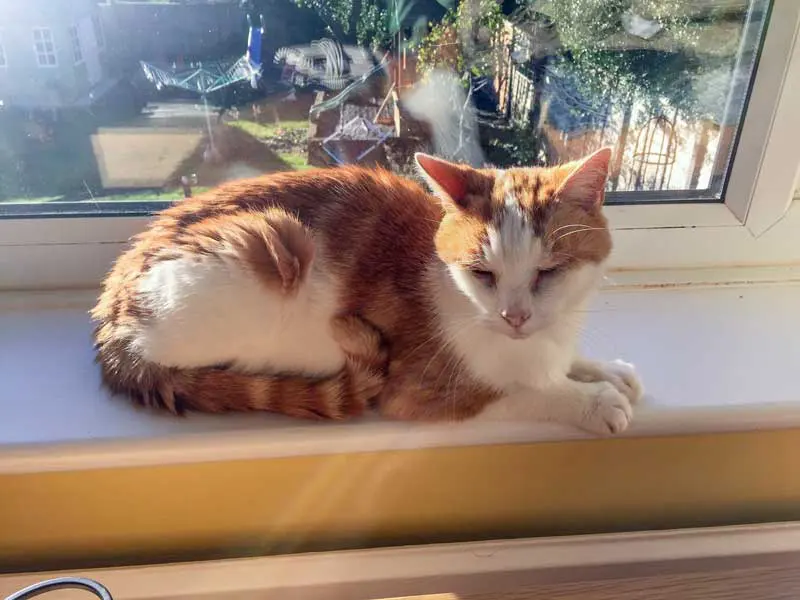
Even if confident in managing hyperthyroidism, there are always areas we can try and improve to optimise care of these patients. Supporting caregivers, reviewing monitoring and involving the whole clinic team can be rewarding and effective.
References
Chandler M (2026). Sarcopenia, cachexia and frailty in older cats: Mechanisms, assessment and therapeutic considerations, J Feline Med Surg 28(7): 1098612X261426765.
Peterson ME, Broome MR and Rishniw M (2016). Prevalence and degree of thyroid pathology in hyperthyroid cats increases with disease duration: a cross-sectional analysis of 2,096 cats referred for radioiodine therapy, J Feline Med Surg 18(2): 92-103.
Taylor S, Caney S, Bessant C and Gunn-Moore D (2022). Online survey of owners’ experiences of medicating their cats at home, J Feline Med Surg 24(12): 1,283-1,293.
Taylor SS, Sparkes AH, Briscoe K, Carter J, Sala SC, Jepson RE, Reynolds BS and Scansen BA (2017). ISFM Consensus Guidelines on the Diagnosis and Management of Hypertension in Cats, J Feline Med Surg 19(3): 288-303.
Vagney M, Desquilbet L, Reyes-Gomez E, Delisle F, Devauchelle P, Rodriguez-Pineiro MI, Rosenberg D and Fornel-Thibaud P de (2018). Survival times for cats with hyperthyroidism treated with a 3.35 mCi iodine-131 dose: a retrospective study of 96 cases, J Feline Med Surg 20(6): 528–534.