
30 Apr 2026
Ellie Kohut DipVN, APVN, RVN discusses various dermatological presentations across different species and how RVNs can oversee and help treat them.

Ellie Kohut
Job Title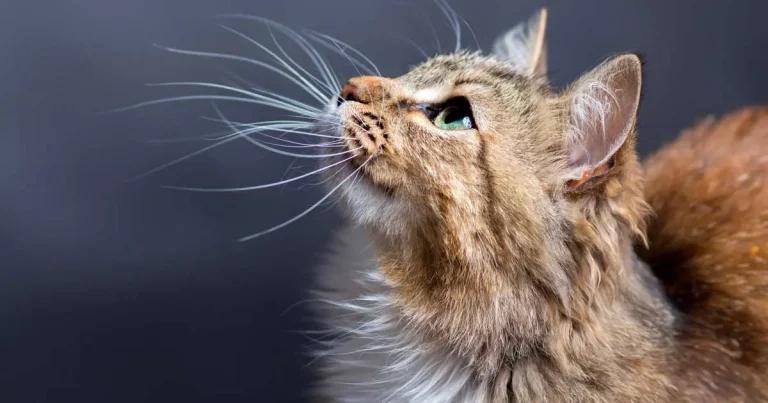
Image: Image: fantom_rd / Adobe Stock
Dermatology represents one of the most common reasons for presentation in first opinion practice, with more than 20% of patients exhibiting clinical dermatological signs (Neuber, 2020).
From the pruritic Labrador, to overgrooming cats with ventral alopecia and guinea pigs experiencing painful mite infestation, most nurses have experienced these patients on a regular basis – but despite its frequency, dermatology can remain clinically challenging and complex.
Many conditions present with similar clinical signs, such as alopecia, erythema or pruritus, but the underlying causes often vary significantly. For veterinary nurses, dermatology provides valuable opportunities for patient advocacy, preventive care and client education.
This article explores common dermatological presentations across different species, with a particular focus on common skin conditions, allergies, parasitic infestations and the nurse’s role in management.
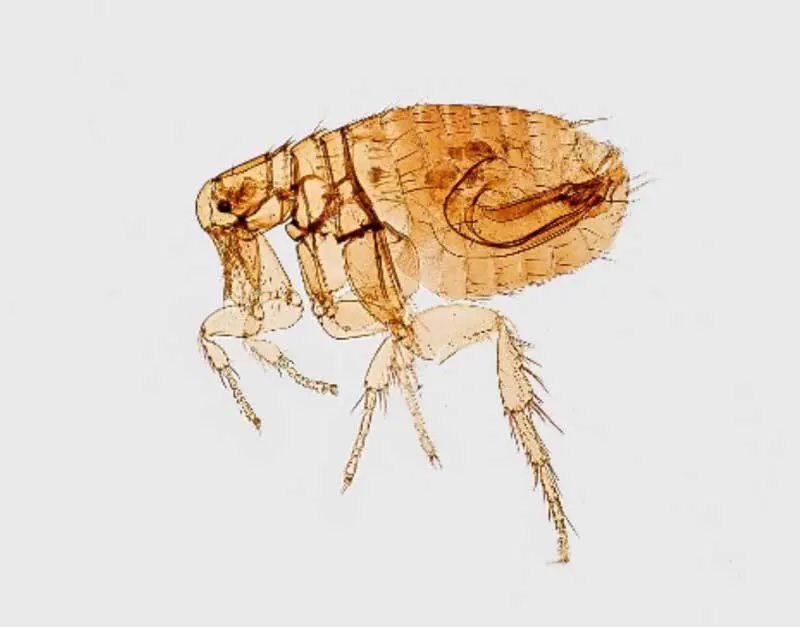
Skin disorders effect around 13% of dogs (O’Neill et al, 2021) and 9.6% of cats under primary veterinary care (Newton, 2025). To treat skin issues effectively, it is essential to identify the underlying cause and distinguish between the initial trigger and the resulting infection.
As mentioned, bacterial skin infections, or bacterial pyoderma, are a common occurrence secondary to other skin conditions such as ectoparasite infestations, allergic skin disease, endocrinopathies and other primary diseases (Neuber, 2020). When a primary trigger (such as an allergy) damages the skin barrier or causes the patient to scratch, it allows opportunistic organisms to flourish.
Pyoderma (bacterial Infection). Canine pyoderma is a common bacterial skin infection predominantly caused by Staphylococcus pseudintermedius. Depending on the depth of infection, pyoderma can be classified as surface, superficial and deep (NationWide Laboratories, 2025). It is rarely a standalone diagnosis; identifying the reason why the bacteria were able to overpopulate is the key to preventing recurrence. Common signs include papules or pustules that form on the skin, circular crusts, dry or flaky patches of skin, alopecia and pruritus (Llera and Ward, no date).
Yeast dermatitis. Yeast dermatitis, specifically Malassezia overgrowth, is opportunistic in nature, thriving in inflamed, waxy or high-moisture environments. Its overproduction is typically driven by underlying triggers such as allergies or anatomical discrepancies that trap moisture, such as deep skin folds or narrow ear canals. Clinically, this presents as intense pruritus, seborrhoea and a distinctive “yeasty” or “cheesy” odour, with infections most frequently localised to the interdigital spaces, skin folds and ear canals (Vets4Pets, 2022).
Parasites represent a significant portion of the dermatological caseload in small animal practice, affecting not only dogs and cats but also small mammals such as rabbits and guinea pigs.
While most infestations can be resolved with targeted prescription anti-parasitics, many cases lead to more severe systemic complications; for instance, a flea burden can trigger flea allergic dermatitis (FAD) or even life-threatening flea-related anaemia in juvenile or debilitated patients. In small mammals, the presence of Cheyletiella species can be particularly debilitating; a heavy burden can cause significant pain and stress, potentially leading to gastrointestinal stasis.
Common parasites that can cause skin complaints include the following.
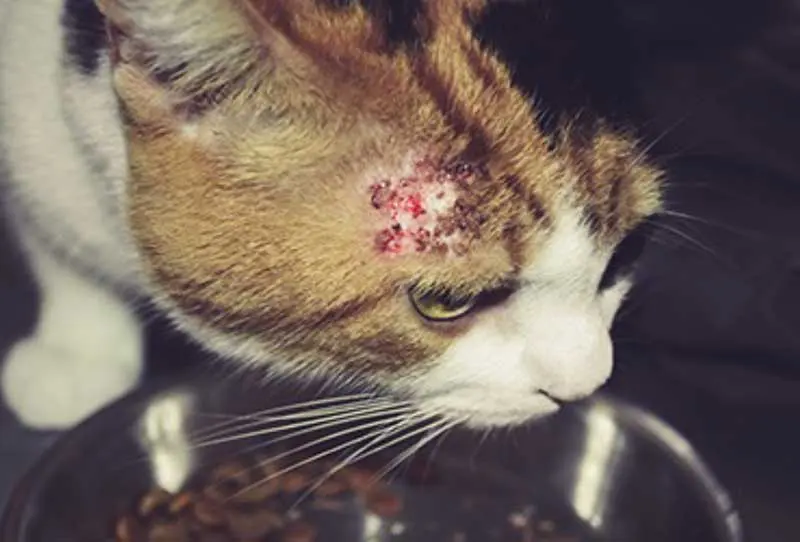
Clinical presentation varies considerably between species of flea and is heavily influenced by individual sensitivity. It’s not uncommon to encounter cats with a significant flea burden in practice.
In some cases, even if the individual is not hypersensitive to flea saliva, visible dermatological lesions may be evident. However, cats affected by FAD may present with a range of clinical signs, such as miliary dermatitis, characterised by multiple small, crusted papules; components of the feline eosinophilic granuloma complex; and extensive self-induced alopecia – particularly in areas accessible to grooming.
In dogs with FAD, hypersensitivity to flea saliva can result in intense pruritus, often disproportionate to the number of fleas observed. Clinical signs typically include biting, scratching and licking, with lesions most distributed over the lumbosacral region, tail base, caudal thighs and ventral abdomen (MonVt.eu, 2025).
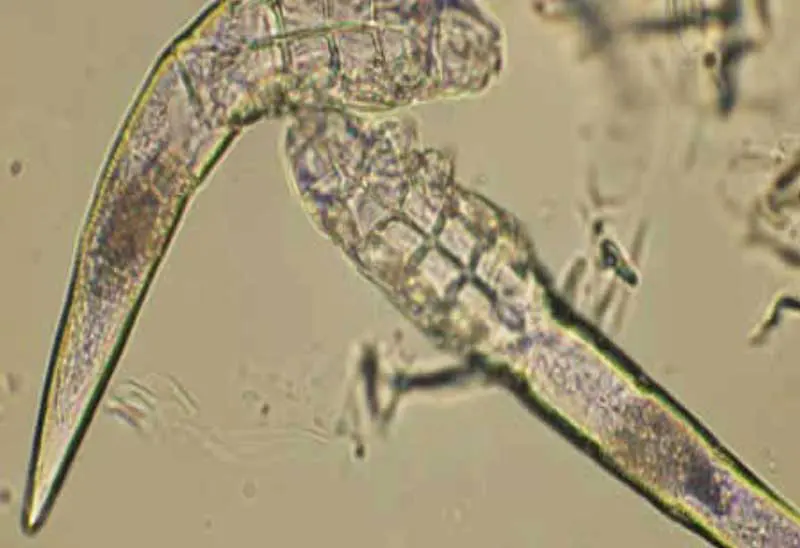
Demodex mites are microscopic parasites that normally live within the skin of most dogs and usually do not cause any clinical problems. Demodectic mange develops when a dog’s immune system is unable to keep the mite population under control, allowing their numbers to multiply rapidly.
This condition is most commonly seen in young dogs under 12 to 18 months of age, as their immune systems are still developing. However, adult dogs may also develop demodectic mange if their immune system becomes compromised due to illness, malnutrition, or certain medications (Weir et al, no date).
Infestations most frequently localise around the periocular region and distal limbs, although in severe cases lesions may become generalised. Clinical signs include alopecia, erythema, dry or scaly skin, and crusting. Some patients may develop a greasy coat, pustules or areas of hyperpigmented, thickened skin in chronic cases.
While Demodex mites themselves do not usually cause pruritus, secondary bacterial infection can result in significant itching and discomfort (PDSA, 2020).
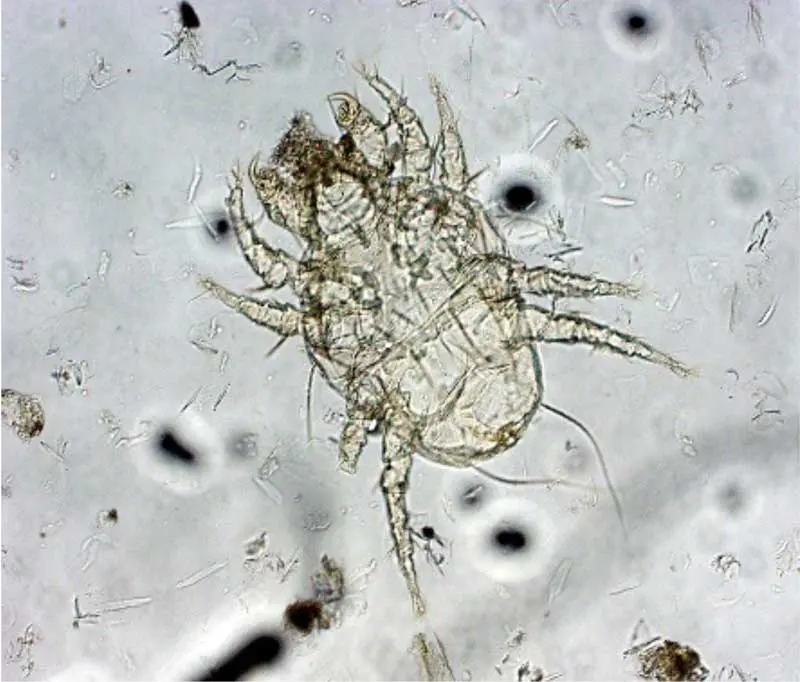
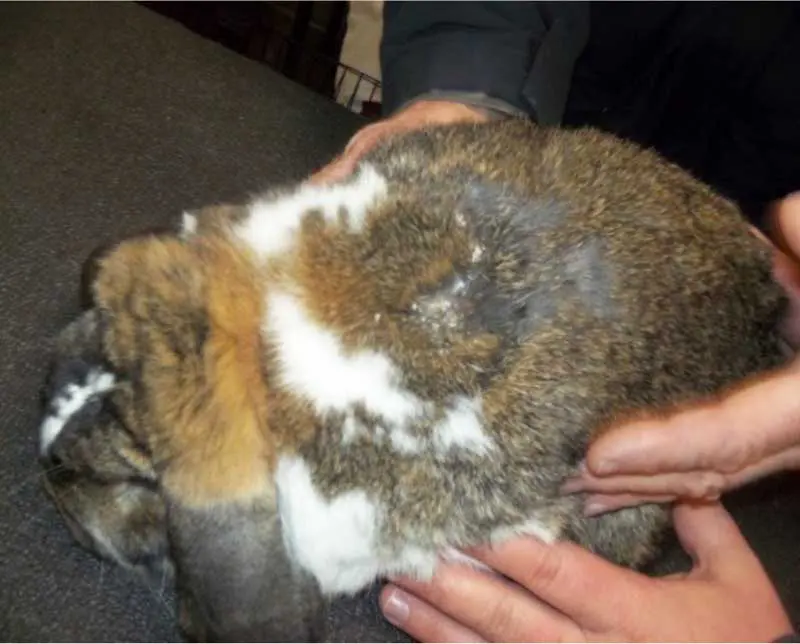
Cheyletiellosis in rabbits is caused by Cheyletiella parasitovorax, a non-burrowing surface mite commonly referred to as “walking dandruff”.
This parasite is highly contagious between rabbits and can survive for short periods within the environment, facilitating transmission.
Clinical signs typically include pruritus and noticeable scaling. Large flakes of skin are often visible within the coat, and focal alopecia may develop – particularly over the neck and between the shoulder blades.
Infestations are more common in young rabbits and in older or debilitated individuals – especially those unable to groom effectively due to dental disease, arthritis or reduced mobility.
Long-haired breeds may also be predisposed due to grooming challenges (Rich and Axelson, no date).
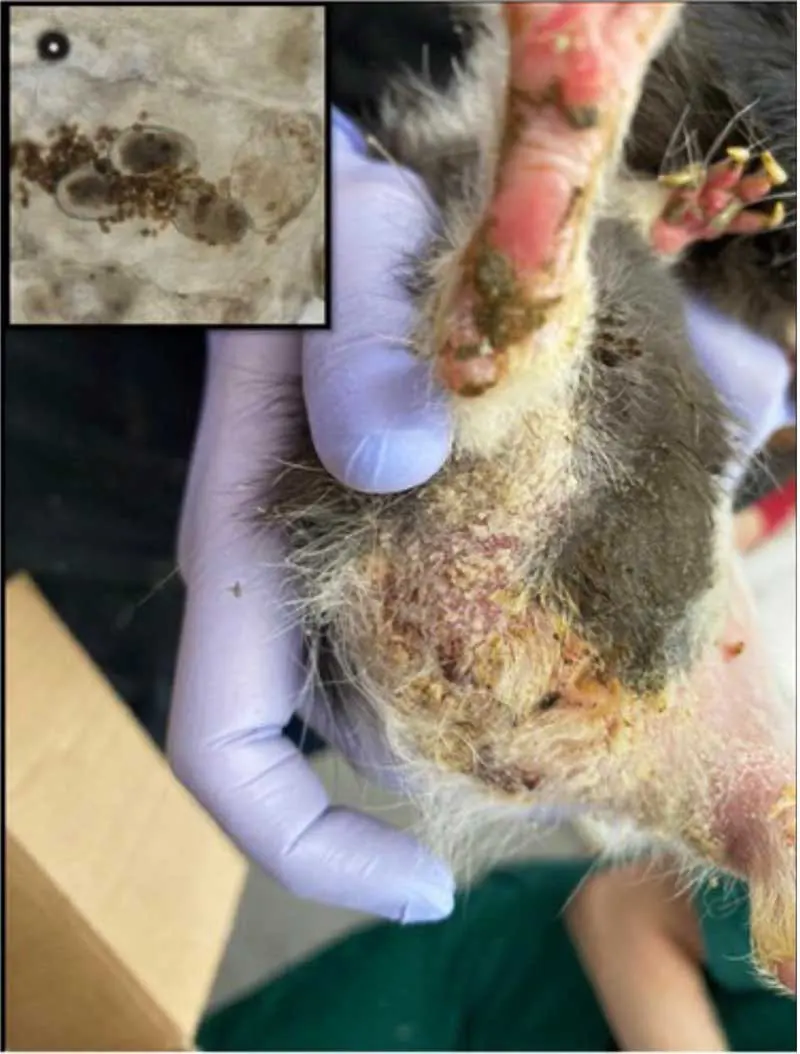
Trixacarus caviae is a burrowing mange mite that affects guinea pigs. The mites burrow into the superficial layers of the skin, causing a strong hypersensitivity reaction that leads to intense pruritus and significant discomfort. Infestations are highly contagious between guinea pigs and may be worsened by stress, overcrowding or concurrent illness.
Clinical signs commonly include severe itching, alopecia and erythema, most often along the dorsum and flanks. As the condition progresses, the skin may become thickened, yellowish and crusted, with secondary bacterial infections frequently developing due to self trauma.
Severely affected guinea pigs may become lethargic and lose weight. In advanced cases, the intense pruritus can trigger seizure-like episodes when the skin is touched or during scratching (Rich et al, no date).
Allergies are one of the most common causes of skin problems in dogs and cats.
New research has found a direct link between dogs suffering from chronic allergic skin disease and the development of certain behavioural problems (University of Nottingham, 2019).
Several forms of allergic skin disease are recognised in companion animals, with the most common including atopic dermatitis, contact dermatitis, FAD and food hypersensitivity.
Atopic dermatitis, also referred to as environmental allergy, is caused by hypersensitivity to allergens present in the environment such as pollens, house dust mites and mould spores.
Affected dogs commonly present with marked pruritus – particularly affecting the face, ears, paws, axillae and ventral abdomen (Ushi, 2023).
Contact dermatitis occurs when the skin comes into direct contact with an irritant or allergen.
Substances such as certain plants, chemicals, cleaning agents or grooming products can trigger localised inflammation and pruritus.
Clinical signs are typically limited to the area of contact and often resolve once the offending substance is removed (Ushi, 2023).
Food allergies occur when the immune system reacts to specific dietary components, most commonly proteins such as chicken, beef or pork.
Clinical signs often include pruritus, erythema and recurrent skin infections. Diagnosis typically requires a strict elimination diet using a novel or hydrolysed protein source followed by dietary challenge to confirm the allergen (Ushi, 2023).
Treatment for allergic skin disease varies depending on the underlying cause. As highlighted throughout, identifying the specific allergen or trigger is essential to implement appropriate management strategies and provide effective long-term control of clinical signs.

The impact of skin diseases extends beyond the animal, significantly affecting owners, as well. Studies have shown that owners of dogs with chronic skin conditions experience multifactorial burdens and, therefore, it is important to address skin complaints swiftly (Newton, 2025).
A clinical examination is essential in any dermatology case, beginning with a general examination to identify systemic signs that might suggest metabolic or endocrine diseases such as Cushing’s or hypothyroid disease (Newton, 2025).
Throughout this article, many of the dermatological conditions described share similar clinical signs, including pruritus, alopecia, erythema and crusting. Because these signs are non-specific and can occur across a wide range of conditions, dermatological cases should not be approached with a one size fits all treatment plan.
Instead, accurate diagnosis relies on thorough history taking alongside appropriate diagnostic testing to identify the underlying cause.
See Table 1 for an array of diagnostic tests and their purpose.
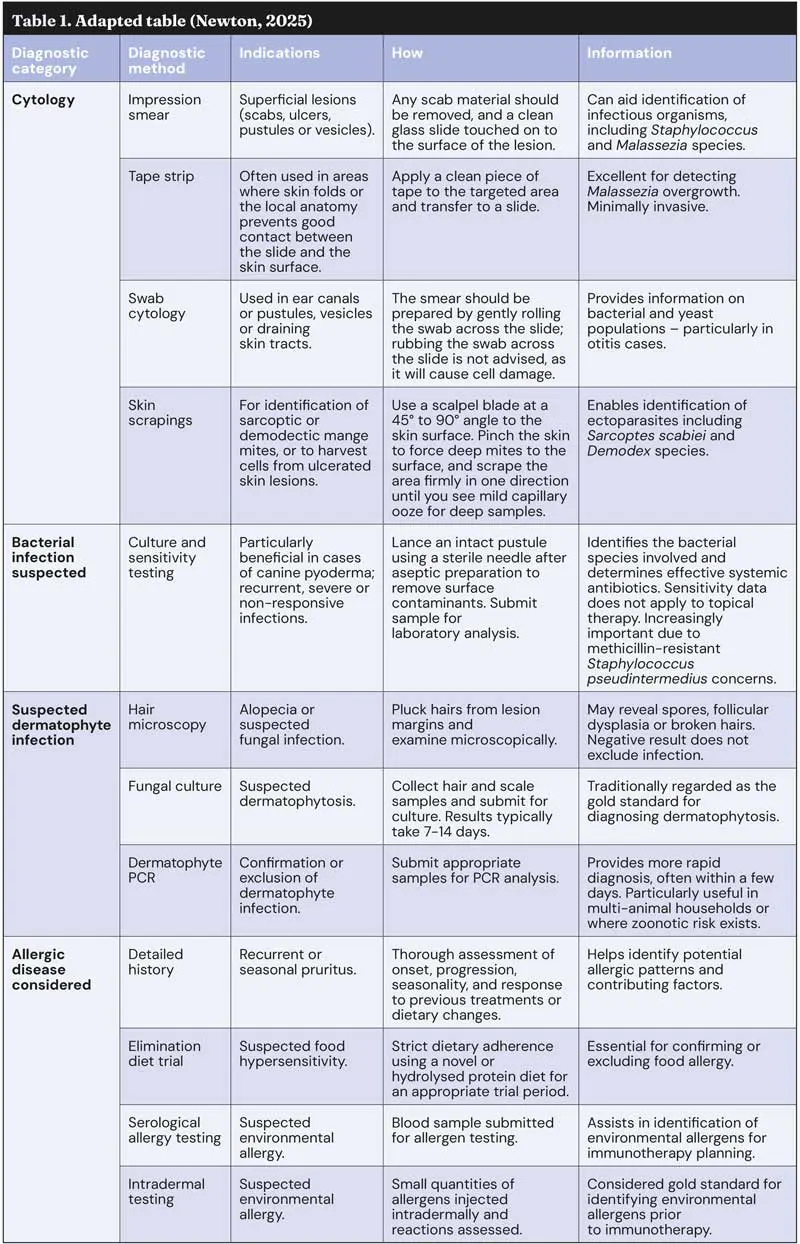
Veterinary nurses play a key role in the ongoing management of dermatological cases through patient monitoring, supporting long-term treatment plans and improving client compliance. Structured history taking is an important part of dermatology consultations, as gathering information on the onset of clinical signs, seasonality, diet, parasite control and environmental factors can help identify potential triggers and guide further diagnostic investigation.
Ensuring clients are up to date with veterinary-prescribed parasite treatments is essential, as inadequate parasite control is a common cause of persistent dermatological disease – particularly FAD.
Veterinary nurses are well placed to educate owners on parasite prevention, and routine health checks provide an opportunity to assess the skin and identify potential issues early before they progress.
Preventive discussions should also form part of routine consultations, including advice on parasite control, grooming, and environmental management.
In small mammal patients, reviewing husbandry is particularly important, as housing conditions, bedding substrates, diet and the animal’s ability to groom effectively can all influence dermatological health. Veterinary nurses can provide practical guidance to owners to optimise husbandry and support overall skin health.
Dermatological conditions are common and can present with overlapping signs, with some conditions more prevalent in certain species.
While diagnosis remains the veterinarian’s responsibility, veterinary nurses play a key role in supporting the diagnostic process.
Through structured history taking, patient monitoring, and cytology or skin scrapings, nurses provide valuable information that aids decision making. Their practical skills, including microscopy, help identify infectious and parasitic contributors, while client education, preventive care and husbandry guidance improve treatment compliance and long-term patient welfare.
Ellie Kohut has been in practice for eight years, but qualified as an RVN three years ago from Bottle Green Training. With a strong passion for exotic animals, Ellie has recently finished the advanced programme in veterinary nursing small mammal certificate. In addition to her interest in exotics, she enjoys consulting with pet owners and has a keen interest in emergency and critical care, as well as working with geriatric patients.