
18 November 2026
Fresh graduates and experienced vets are back to discuss how effective mentorship, communication skills and workplace culture play a fundamental role in shaping the graduate experience.

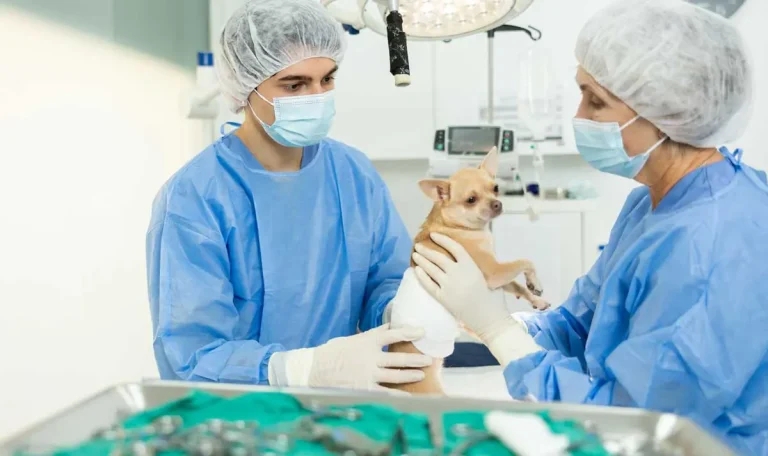
Image: JackF / Adobe Stock
Making the transition from veterinary school to practice is a key milestone in a clinician’s career.
Academic training provides a solid scientific foundation, but successfully navigating the pressures of real-world practice – from managing complex consultations and financial conversations to building clinical confidence – can be a daunting journey.
Brought to you by Vet Times and Purina Pro Plan as part of Purina’s Young Vets initiative, this article and accompanying podcast mark the third and final instalment in a three-part series aimed at bridging the gap between the classroom and the consult room.
Having spoken with early career vets in our first episode and experienced practitioners in our second, we brought the project to a close by bringing those voices together to discuss the challenges and opportunities facing the next generation of vets.
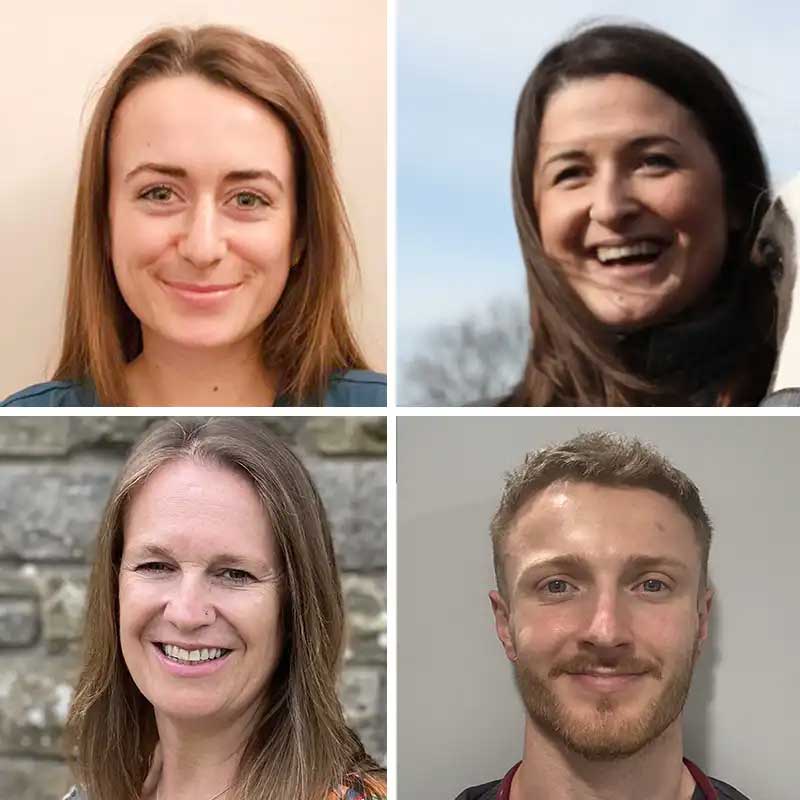
New graduates James Robertson and Eleanor Goad joined experienced vets Caroline Gardner and Ebony Escalona for this round-table discussion to explore how effective mentorship, communication skills and workplace culture play a fundamental role in shaping the graduate experience.
From structured handovers and constructive case discussions to maintaining professional boundaries and building clinical autonomy, their exchange offers a practical roadmap for new vets finding their footing and fresh insights for senior leaders supporting their teams…
James: I have a lot of interactions with senior colleagues that start with the rounds every morning. We are a 24/7 practice, so the night team will hand over to the day team, and vice versa in the evenings, which is a fantastic opportunity to have a chat about cases. And it’s always a very judgement-free area and I’m yet to have an experience with somebody who’s questioned in a negative way why we’ve done something.
There are also weekly GDP meetings with my GDP advisor, which are always absolutely fantastic. He’s an absolutely lovely guy – we on really well and aside from that, there’s always someone who’s free on hand to have a chat with. Normally, if they’re doing admin, I try not to interrupt people, but he is always there for a chat if I’ve got any questions about anything.
Eleanor: It’s the simple things like being included in the discussion. I think when somebody your senior asks for your opinion and looks to genuinely be looking for your opinion, it’s a lovely feeling, no matter how recently graduated you are. It makes you feel valued as a colleague and it makes you feel like you’ve got a voice in the room.”
Caroline: “We all learn and communicate in different ways. And as a senior practitioner, sometimes you can forget that in a busy day. It’s remembering that sometimes the communication you’re trying to aim for is not always being received in the way maybe it’s intended. Recognising that in ourselves as senior vets and how that may be then coming across, setting expectations.
If you’re having regular meetings in a non-stressful situation where you can get to know each other, then when there is something that needs to be done in a little bit more of an urgent situation, that respect is already there. You’re already understanding each other as human beings.
Ebony: I think leaving lots of things to be discussed can be quite dangerous. I think having those frequent little check-ins can be really, really good. It can be walking the dog together, or the pint in a pub at the end of the week.
Be careful that your door isn’t always open though. It’s quite important for that senior leader as well to have their own boundaries and their own time, because for them to be the best mentor and the best support system, they do need their own time too.
One thing I thought always worked well when I was younger was just having something like a Google Doc where I could just park things that I’d want to bring up so I don’t forget them.
Ebony: It just comes back to expectations and just resentments waiting to happen, and knowing that we all have a different truth. It’s about moving from expectations to co-agreements and being really, really tangible with what that means, right? So, what does good support, a good check-in, a good meeting look like?
Caroline: There was some aspect of sink or swim, but I guess it’s how you define the sink and the swim, really, isn’t it? And if you go into it with a positive attitude, what some people might consider is sinking, maybe is a learning opportunity or stretching yourself.
There’s not one right way, one wrong way. There’s always got to be give and take between the different generations, and it’s how we actually listen and respect each other to align those viewpoints.
Eleanor: Our busiest days are the best days that I have in my job, and it’s when everyone is chipping in, and you get to the other side, and you look back, and you think, ‘Wow, what an amazing thing we’ve achieved today’ and that comes from everyone doing their bit.
As long as everybody is happy to lend a hand and help someone who’s struggling and put in a hard day’s work, it doesn’t really matter then if you’re prioritising getting off at the hour that you’re meant to be getting off. Because I think then you come back and you’re equipped and ready and refreshed to do the whole thing again the next day.
James: You have to establish those boundaries from quite an early outset, but equally you have to recognise the boundaries of the other professionals in the environment.
There’s a lot of team play that goes into it, and recognising that other people have that work burden going on at the same time.
James: For me, it’s the way they interact with the clients. The way you can see them interact with the clients, if it’s in reception, the waiting room, or in the office when they’re on the phone with them is absolutely phenomenal.
It’s stuff you can only really pick up from listening in, you know, and being open and transparent, and those sorts of lessons you learn from them.
I did a test on an animal. The test came back negative. I was very happy because it ruled out something I really didn’t want to have. But then when I spoke to the client on the phone, they were actually quite upset because they thought we’d sort of wasted that test, and I hadn’t necessarily thought about it from their perspective because I hadn’t communicated that to them. I hadn’t said we’re doing this test to rule it out.
Eleanor: For me, it’s been knowing the difference between urgency and emergency, and when to panic and when to not. And most often, don’t panic. There are so few instances where it actually warrants it.
“You passively pick it up from watching experienced colleagues handle a very stressful situation very calmly and methodically and diligently – It’s how you triage. It’s how you handle those really hectic days where you can’t be everywhere at once.
Caroline: My first approach is to always take that conversation outside the consulting room. So, if you’re approached by a recent grad who’s saying that they’re struggling with that conversation, my first approach is not to go wading into the consulting room and have that conversation with the client present. Let’s talk it through. What approaches have you tried? Discuss maybe some alternative approaches.
Sometimes stepping in and showing and demonstrating how to do it can be the right thing to do. But then I would always leave the consulting room before that consultation is finished to allow the new grad to finish that off and go through the process themselves.
You are an MRCVS. You may feel that you’re inexperienced, less experienced, whatever it may be, but you’ve got an MRCVS. The client is coming, and they are paying for your services. And I think that one’s really, really important to remember as well. Every grad is worthy of being in that consulting room and giving that advice.
It’s not just think about yourself; it’s working as a team.
Ebony: They’re imperative. These are the kind of human skills and the grounding that you need in any career, in any relationship, in any success.
We must never underestimate the CPD of self, and that comes with our self care, that comes with our career development, our financial acumen, our business acumen, our ability to sell ourselves. It’s imperative, and the better we are at doing it for ourselves, the better we are within a team, the better we are at mentoring.
You cannot be the technical vet. You cannot heal, solve, diagnose, have these client relationships and longevity without all these human skills behind you.
Caroline: Never give that feedback in the heat of the moment – that’s something that is best avoided. Having a structured plan. Often having that little bit of time offering support initially before offering feedback.
Listening skills; making sure you’ve understood the situation properly, avoiding things like ‘you should have done it like this. This is how I would have done it’. It’s more about ‘how have you thought about this different way of doing it? ‘What about this different approach?’
Always praise and acknowledge when things have gone well because new grads will often go through that period where they lose a bit of confidence, and I think acknowledging those cases that have gone really well is hugely important.
Eleanor: Feedback is best given one to one in a private space, not in front of other people because you can then get a little bit more on the defensive. Sometimes you can worry about how you’re being perceived, and these conversations should be without judgement.
Eleanor: You personally only get comfortable with doing a procedure independently if I have had some structure and some tutelage on it. I would rather not go in with just a textbook and a prayer, I want to have someone who trusts me and who backs me.
I was quite nervous for my first few, and I kept asking, ‘Is this okay? Is this okay? Is this okay?’ And eventually, she went, ‘You know what? If I don’t tell you it’s wrong, assume you’re doing it right’. And 20 minutes go by, and you’ve not heard a peep, and you think, ‘Well, I must be doing okay,’ and that builds the confidence.
Everyone gets there at their own pace. What helped me cross the bridge was realising that I had a really good support network on the other end of the phone. You’re not meant to know it all, and weird and wonderful things will come through the door, so just knowing that you’ve got someone that you can ask for help, phone a friend, is really valuable.
Caroline: Everyone’s different. There’s no specific time. It’s all got to be very, very individual to that person. And my advice for the new grads is never compare what you’re doing to what other people that you graduated with are doing because you’ve all had different experiences.
I would be looking at a combination of how the new grad is feeling through having those conversations and looking at what their confidence is like.
I get worried if a new grad goes very, very quiet and isn’t talking and isn’t asking questions because that to me is a little bit of a sign that they are finding something or other more difficult or challenging.
I’m looking at things like ability to manage time, keeping up with their consulting list or their operating list. I’m not saying you should be rushing through things, but you definitely see an improvement in that as confidence grows.
There’s lots of different ways, and it will be individual to each person.
Ebony: You don’t have to do everything when you’re first starting out because your brain capacity is limited and you’re in something new already, right? So, I don’t think you need to be going out and doing volunteering on day one of being a vet. I think you need to give yourself some grace and time to focus on finding your rhythm and your pace in your new career.
And volunteering is not just for new grads – so many people have times where they fall out of love with the profession or they’re questioning where they’re headed and if we can go and take some time to volunteer and give back without anything transactional, it really aligns our purpose compass, our moral compass.
You also get to have mentorship, especially if you’re doing veterinary volunteering. You get to have other peers around you as well who are going through similar lived experiences to you, but you also get to work with people and animals that might be out of your normal clinical context.
Caroline: “I absolutely agree with volunteering. It’s something I have always done because having other people outside your workplace to throw ideas around with is great.
Caroline: I think it’s an absolute honour and a privilege. To work alongside other passionate, intelligent, caring human beings. And I think it’s the very essence of being human. So being part of the veterinary industry, the local community, those are all the best things about being a vet.
James: I absolutely love it. Absolutely love it. The most amazing feeling I’ve had so far is just having a patient come to you, being ill, and then in a few days’ time seeing them leave the practice really healthy and happy with grateful owners. Knowing that you played a role in that is just the most amazing feeling I’ve ever experienced in my life.
Ebony: It’s one of the most incredible privileged passports you can have. It can take you around the world, take you in a myriad of different directions, and the world needs more empathetic, scientific, evidence-based, compassionate, initiative-taking people, and that is vets in bucket loads.
Eleanor: It’s such a privilege. We can take away pain, we can take away suffering, and we get to help. I never saw myself doing anything differently. I gunned straight for this from day one, and yeah, I still couldn’t picture myself in any other job.