
14 Apr 2026
Alex Gough MA, VetMB, PhD, CertSAM, CertVC, MRCVS takes a look at the most up to date information in the veterinary sector in his latest research review.

Alex Gough
Job Title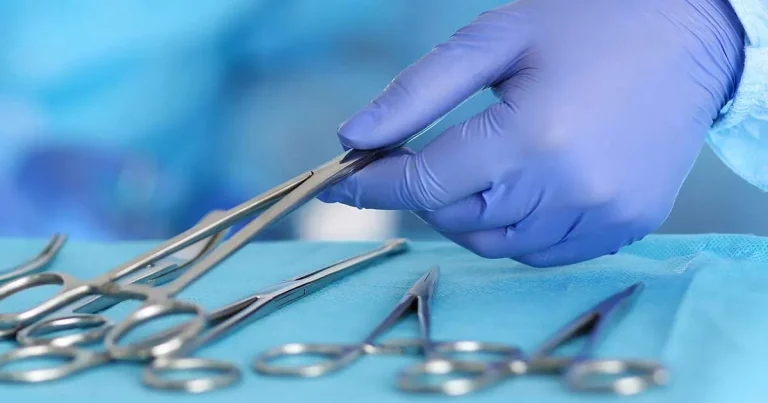
Image: megaflopp / Adobe Stock
Isoxazoline antiparasitic drugs have relatively recently started being used for the treatment of ectoparasites in dogs and cats – particularly, fluralaner, (es)afoxolaner, lotilaner and sarolaner.
They have long plasma half-lives and a bioavailability that varies with feeding. They are eliminated by the biliary/faecal route. Some authorities have expressed concern that these drugs could be an environmental risk because of contamination of ecosystems, but there is limited data on their release into the environment, which can occur through faeces, urine and even pet hair.
Berny et al1 performed a study of isoxazoline faecal elimination in dogs and cats, with five dogs or five cats being allocated to each of the drugs being studied.
Half-lives were estimated, and it was found that fluralaner and lotilaner were still detectable in faeces after the end of the recommended treatment period.
The authors then estimated risk to non-target arthropods and they assessed that dung-feeding insects could be highly exposed to these parasiticides.
The authors concluded that this study shows the need for further research on the pathways and the quantity of environmental contamination of veterinary parasiticides, and their impact on non-target species.
Malignant mammary neoplasms (MMNs) are commonly encountered in older unspayed bitches. Treatment of choice is usually surgery, which is aimed at curing the disease and/or promoting disease remission, as well as improving quality of life (QoL).
Bossi et al2 performed a study to evaluate the QoL of bitches before and after unilateral mastectomy and regional lymphadenectomy. Two QoL scales were used: the Questionnaire for Health-related Quality of Life in dogs with Signs of Pain Secondary to Cancer (QEHQ) and the HHHHHMM Quality of Life Scale. The clumsy acronym in this latter questionnaire stands for the evaluated domains of “Hurt”, “Hunger”, “Hygiene”, “Hydration”, “Happiness”, “Mobility” and “More good days than bad”.
The questionnaires were completed by the caregivers before and 45 days after surgery.
Improvements were seen in QoL – especially in patients with more advanced disease – and pain-related parameters in particular seemed to improve.
The authors concluded that unilateral mastectomy and regional lymphadenectomy improved QoL in bitches with malignant mammary neoplasms – especially those with more advanced stages of the disease.
Sterile surgical gloves and instruments are used during surgery to prevent infection being introduced into surgical sites. However, it is possible that during oncological surgeries, neoplastic cells could adhere to gloves and instruments which could lead to iatrogenic tumour seeding and metastasis.
Orjefelt et al3 performed a prospective pilot study involving 47 dogs which were undergoing surgical resection of primary solid tumours. After the tumour was excised, the primary surgeon changed gloves and instruments, which were then assessed cytologically for the presence and quantity of malignant cells.
Malignant cells were detected on the gloves and/or instruments of 30% of cases; 14 of the resected tumours had incomplete margins and, in these cases, malignant cells were detected on the instruments and/or gloves 57% of the time, compared to 19% of the time in cases that had histologically complete margins.
The authors noted that this is the first veterinary study to document malignant cell contamination of surgical equipment and gloves, and they recommended that gloves and instruments are routinely changed after tumour resection.
It is common for music to be played in theatres during surgical procedures. While in human medicine, it is thought that music can have anaesthetic and analgesic-sparing effects, in a veterinary setting it is more commonly used for the benefit of the surgical and anaesthetic teams.
Georgiou et al4 performed a prospective, randomised exploratory study to explore the effects of intraoperative music on requirements for analgesia and anaesthetics, as well as autonomic parameters, adverse effects and recovery.
A total of 28 dogs were randomised to be exposed either to instrumental classical music or no music intraoperatively. No difference was observed in a variety of parameters such as blood pressure, heart rate, mean end-tidal isoflurane concentrations, adverse effects or recovery quality.
The authors concluded that no measurable benefit to the patient of intraoperative music was found. However, they recommend further studies with larger sample sizes, and also further research to assess whether anaesthetics suppress auditory processing.
To err is human, and it is inevitable that errors occur from time to time in veterinary settings. The aftermath of how these errors are handled is highly important.
Johann et al5 performed a study involving an online survey to explore the experiences of dog and cat owners whose pets had experienced veterinary errors.
A total of 509 German-speaking owners were recruited via social media, 78% of whom reported that they had experienced a veterinary error.
Between 40% and 50% of owners expressed emotions including disappointment, annoyance, sadness and anger; 84% of owners said that vets should communicate face to face with owners and admit their errors; 73% said they should accept responsibility; and 64% said they should commit to learning and improving after the error.
The authors noted that the recruitment method might have introduced bias and that the alleged errors were self-reported by the owners.
However, they concluded that medical errors are a significant emotional burden on pet owners, and openness and transparency on the part of the vets can help mitigate this issue and preserve the relationship with the vet.
Domestic cats evolved from an obligate carnivore ancestor that ate small, frequent meals, and this behaviour was preserved after domestication. However, food intake can decrease in older cats due to impairment of senses and cognition, as well as poorer oral health.
Other ageing changes can put cats at risk of reduced body condition, and so older cats may benefit from modifying their nutritional strategies.
Eyre et al6 performed a study of 134 cats of 7 years or older to compare ad libitum dry, wet and mixed feeding regimens in relation to their feeding frequency and calorific intake. Cats consumed on average six meals per day of dry food, 6.9 of wet and 7.2 of mixed. Mean calorie intakes were higher for mixed and dry diet compared to wet food.
The authors concluded that ageing cats eat small, frequent meals and the constituency of the diet influences both feeding frequency and overall calorie intake.
Not all commercial diets are equal. Manufacturers make various claims about the quality and benefits of the diets they sell.
Jobe and Downs7 performed a systematic review to evaluate the evidence for the effects of additives, ingredient quality and type of processing on pet nutrition, with 121 studies meeting the inclusion criteria for the study.
Ingredient digestibility and nutrient content were heterogeneous, and ingredient type and processing method had marked effects on outcomes. However, methodological limitations and bias risks limited the ability of the study to make conclusions regarding the effect of human versus feed-grade ingredient quality.
No evidence was found that additives and preservatives used within Association of American Feed Control Officials guidelines had a harmful effect. This study helps inform decision making regarding nutrition and identifies gaps in the evidence base for pet nutrition.
Alex Gough qualified from the University of Cambridge in 1996, and worked in mixed and small animal practice until 2002, when he co-founded a referral centre in south-west England. He gained an RCVS Certificate in Small Animal Medicine in 2001, an RCVS Certificate in Veterinary Cardiology in 2005, a Postgraduate Certificate in Neuroimaging for Research from The University of Edinburgh in 2009 and a PhD in Applied Health Research from the University of Birmingham. Alex is co-author of Breed Predispositions to Disease in Dogs and Cats, and the author of Differential Diagnosis in Small Animal Medicine.