
9 Jun 2026
Alex Gough MA, VetMB, PhD, CertSAM, CertVC, MRCVS takes a look at the most up to date information in the veterinary sector in his latest research review.

Alex Gough
Job Title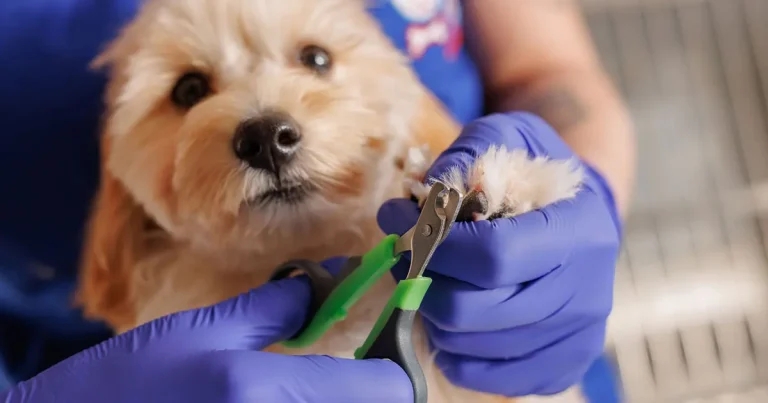
Image: st.kolesnikov / Adobe Stock
Ticks are vectors of diseases that can have serious consequences for humans and animals. Climate change and increased movement of animals across borders could mean these diseases become more common in the UK.
Marques Alves et al1 performed a study of ticks collected from dogs and cats across France to identify tick species and their associated pathogens. PCR was used to detect the DNA of 18 types of microorganisms – 777 ticks were collected, and six different species were identified, with Ixodes ricinus being the most prevalent at 58.3%, followed by Dermacentor reticulatus at 24.2% (mainly on dogs), and then Ixodes hexagonus at 7.2% (mainly on cats).
Collection of ticks peaked in spring and early summer for I ricinus and late winter and spring for D reticulatus – 71% of ticks tested positive for the DNA of at least one microorganism. Anasplama species was most frequently detected, found in up to 75% of I ricinus, followed by Rickettsia species, which were present in 50% of D reticulatus. Babesia, Theileria, Cytauxzoon, Borrelia burgdorferi and Mycoplasma haemominutum and M haematoparvum were also commonly detected.
The authors concluded that ticks are a year-round risk in France, and they are frequently infected with one or more pathogens.
Another common disease found in Europe, but increasingly being diagnosed in the UK, is leishmaniosis. Kent et al2 used the VetCompass UK database in 2019 to estimate the prevalence of this disease in the UK.
The annual prevalence was estimated as 0.043%, with 967 cases identified in the population – 98% of cases were in dogs that had come from outside the UK, and 61% had already been diagnosed with leishmaniosis before they came to the UK. Males and neutered dogs were predisposed to the disease. Generally, purebred dogs had a lower risk than mixed-breed dogs, but Brittany spaniels, Ibizan hounds and English pointers were markedly over-represented. Cases were more common in the south of England than would be expected if they were randomly distributed.
The authors concluded that imported dogs are the most common to have a diagnosis of leishmaniosis, and speculated that those dogs with marked breed predispositions may be of breeds that are more likely to be imported from endemic areas.
Influenza can affect various species, and highly pathogenic avian influenza (HPAI) A/H5N1 has been identified as a serious disease in cats.
Jańczak et al3 performed a retrospective study of the clinical findings in cats diagnosed with this condition during an outbreak in Poland in June 2023 – 22 cats with laboratory confirmed diagnosis of A/H5N1 were included in the study.
It was noted that six of the cats were strictly indoor cats that had been fed a diet that included raw poultry meat. The disease had an acute onset, with signs including fever, lethargy and anorexia, which quickly progressed to severe dyspnoea and neurological signs such as ataxia, seizures and paraplegia. All affected cats died, usually within three days of the first clinical signs.
Clinicopathological findings included thrombocytopenia, lymphopenia and eosinopenia, as well as a stress or inflammatory leukogram. Urea and creatinine largely remained normal. Radiography showed the presence of pneumonia.
The authors note that feline A/H5N1 infection is a rapidly fatal disease in cats, and it is important it is monitored to safeguard human health.
Food production is an important contributor to environmental damage, and pet food is not immune to this problem.
Clark et al4 conducted a survey to assess the attitudes of pet owners on sustainability issues and how the veterinary team could contribute in this area. They found that although owners rated environmental issues as important, they placed more emphasis on animal welfare when choosing a pet food.
The veterinary team was considered to be a trusted source of information for both sustainability and welfare. Third-party certification was also perceived as being useful in guiding pet food choice.
The authors concluded that this study highlights areas where vets can aid efforts towards sustainability in the pet sector.
Furballs are commonly found in pets – especially cats – often causing minimal problems but occasionally having more serious sequelae. Less commonly encountered are phytobezoars – masses of indigestible food fibres in the gastrointestinal tract. Reports of the condition, its diagnosis and management in dogs and cats are limited.
Maggi et al5 described a retrospective study of gastrointestinal phytobezoars – 25 dogs and cats were initially included in the study, but seven were excluded because the foreign body was a mix of plastic and plant material, leaving 17 dogs and one cat. Eight had a gastric location of the foreign body, eight had an intestinal location and, in two cases, the foreign body was located in both stomach and intestine. In three cases, the foreign body was removed endoscopically; in seven cases surgically; in two cases it was extracted per rectum. Six cases defecated the foreign body spontaneously.
Diagnosis is difficult because of non-specific clinical and imaging signs. The authors noted this is the first report of this condition in the veterinary literature.
A number of conditions can be confused with temporomandibular joint (TMJ) luxation in cats, and an accurate diagnosis is essential for successful management.
Tsai and Wu6 performed a retrospective analysis of 42 cats that were referred to their hospital for treatment of suspected TMJ luxation. Signs included inability to close the mouth, mandibular deviation and oral pain. Only six of these cats had uncomplicated TMJ location; 19 cats had end-stage periodontal disease; five had malocclusion, four had symphyseal separation, three had open-mouth jaw locking from other causes, two had mandibular fractures, one had TMJ ankylosis and two had no significant condition found.
The authors noted that the non-specific signs of TMJ luxation mimic other oral diseases and/or complex maxillofacial injuries, meaning that careful examination and advanced imaging are often necessary to confirm the diagnosis.
As any general practitioner and veterinary nurse will know, it is the supposedly simple procedures that can have the potential to cause the most stress, and nail clipping falls firmly in this category.
Chen et al7 performed an anonymous online survey to characterise the knowledge, practice and attitude of Australian veterinary nurses and other staff towards nail clipping in dogs and cats.
A total of 242 valid responses were received, and 72% of respondents were performing the procedure several times per week – 72% of dogs and 59% of cats frequently displayed fear, anxiety and stress during nail clipping. Respondents often felt pressure to continue the procedure even if the animal was distressed or they felt the procedure was unnecessary.
Pre-visit anxiolytics or sedatives were noted to reduce stress in the animals. Generally, the respondents found nail clipping to be difficult and under-valued. Increased training for this procedure could improve both animal and staff welfare.
Alex Gough qualified from the University of Cambridge in 1996, and worked in mixed and small animal practice until 2002, when he co-founded a referral centre in south-west England. He gained an RCVS Certificate in Small Animal Medicine in 2001, an RCVS Certificate in Veterinary Cardiology in 2005, a Postgraduate Certificate in Neuroimaging for Research from The University of Edinburgh in 2009 and a PhD in Applied Health Research from the University of Birmingham. Alex is co-author of Breed Predispositions to Disease in Dogs and Cats, and the author of Differential Diagnosis in Small Animal Medicine.