16 Jun 2026
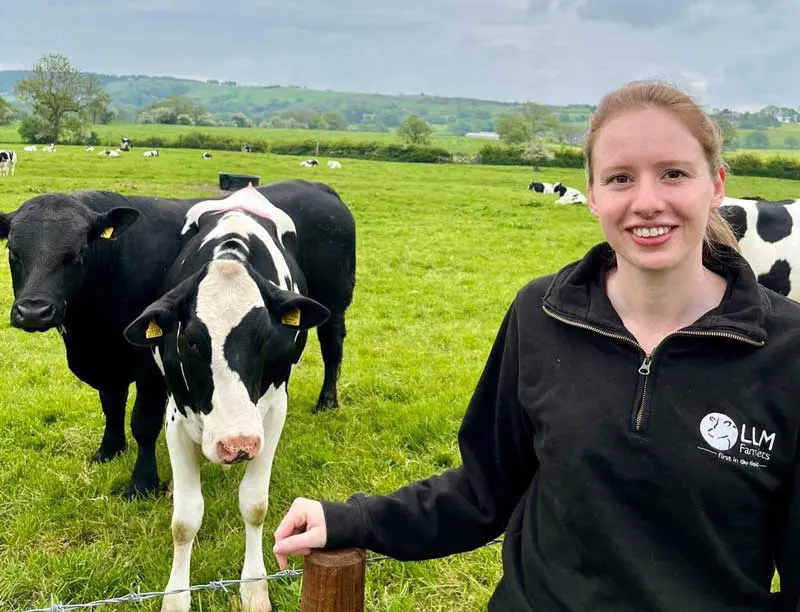
Becca Riley, of LLM Farm Vets in Preston, runs the Calf Club and shares how her interests within farm animal medicine have changed since university and why a proactive approach to farm livestock health is helping her clients’ businesses thrive

Vet Times
Job Title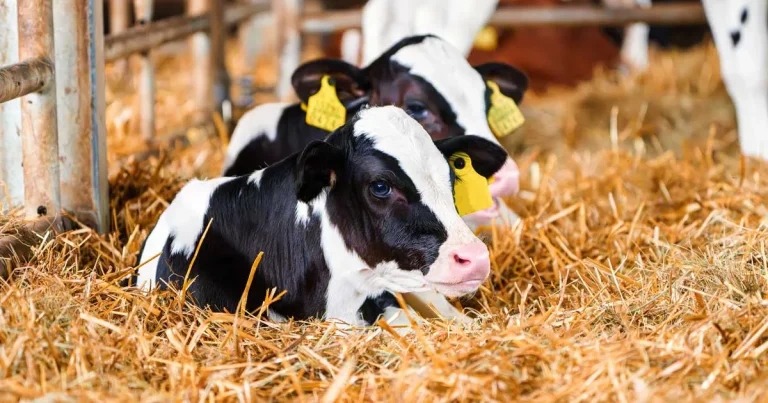
Image: Ilja / Adobe Stock
Q. How did you first get into veterinary medicine?
A. I grew up in east Lancashire. There’s a mixture of beef, sheep and dairy farmers within my family, so agriculture was always a part of my life. I studied at the University of Surrey, where my passion for farm animal work grew – large animal practice was always where I was headed. During vet school I spent a lot of time with LLM, and when I graduated in 2019 they offered me a job. I’ve been here ever since.
Q. How has your role changed since you were a new graduate?
A. When you first graduate, there’s a lot of emergency work: sick cows, calvings, that kind of thing, as you don’t have the same routine workload as the more senior vets in the practice. As a student, this is how you picture life as a new grad vet, being really hands-on. You imagine dealing with cases like displaced abomasums and doing caesareans, getting stuck into the surgical cases and putting all those skills you’ve learned into practice.
But as you gain experience, your perspective starts to change. I still enjoy the emergency side of the job, but over time you naturally start to spend more of your time in a consultancy role. Emergencies help you get to know clients, but it’s the consultancy work where you really build trusted, lasting relationships with your farmers.
Many of our dairy clients have supermarket supply contracts, so we work closely with them, reviewing disease levels, monitoring antibiotic use and making sure we’re constantly improving. I dedicate significant time to reviewing reports and identifying opportunities for improvements.
That work builds strong client relationships and means you get to know their businesses inside out. When they succeed, you feel a genuine sense of having contributed to that success.
Q. What does your Calf Club involve?
A. I started the Calf Club at LLM when I first graduated. We aim to hold three or four talks a year, including farm walks and evening meetings for dairy farmers. We also run quite a few projects with the club members.
We often work with pharmaceutical companies who support us with talks and projects, helping bring ideas to life. A couple of years ago, for example, we ran a colostrum project with their help, which meant we could take on work that farmers might not otherwise be able to justify the cost of. As part of the project, we gathered data on colostrum quality, took samples for bacteriology testing, and collected calf blood samples to check for successful transfer. This gave us the opportunity to offer more tailored advice and share practical insights on colostrum management, strengthening our relationships with clients and improving calf health.
It also led directly to us developing a new quarterly reporting service focused on colostrum management, which now runs alongside our existing calf growth reports.
Q. What is the impact of this type of proactive work?
A. We’re really lucky to work with farmers who are quite forward thinking and always want to improve. Thinking about what to change isn’t usually the barrier, it’s the practicalities of implementing it on farm that can be the challenge.
I meet with the farmer to develop a plan collaboratively, which we then put into action. It’s rewarding to monitor progress over six months to a year and see the improvements.
One real highlight has been seeing my clients, the Hull family at Gibstick Hall Farm, winning the VetPartners Farm Health Champion Award, recognising their outstanding commitment to herd health and sustainability. For this farming family to be recognised in Farmers Weekly for what we have achieved together was really rewarding to see.
Q. What do you enjoy about farm animal practice?
A. Farm animal medicine isn’t just a career, it’s a way of life. One of the things I enjoy the most is travelling from farm to farm, spending my days in the countryside rather than in a clinic.
Working in a predominantly dairy-based practice means we see many of our clients regularly, often every week or two. You work closely with them, becoming a valued part of their team and their business in a way that’s quite unique to farm animal practice.
Most days don’t even feel like work, as I get to catch up with people I genuinely enjoy being around, while doing a job I love.
Q. How has LLM supported your development?
A. LLM has been a fantastic place to work and was a very supportive environment to start my career. As a new graduate, there was the perfect balance between guidance and trust. Enough support to help me learn, while still having the confidence placed in me to get stuck in and develop my own skills from day one.
As I’ve progressed, that support has continued. I’ve been given the freedom to develop my own ideas, initiate projects, and see them through.
You’re given the space to develop in the areas you’re particularly interested in which gives you lots of job satisfaction.
I think what makes the practice different is that they are always innovating and trying to improve, which really helps build relationships with clients.