16 Dec 2025
Spreading awareness: documenting Cambodian streets to British fields
Photography student Joe Day aims to create understanding and inspire change in animal welfare, agriculture and sustainability through his documentary work

Vet Times
Job Title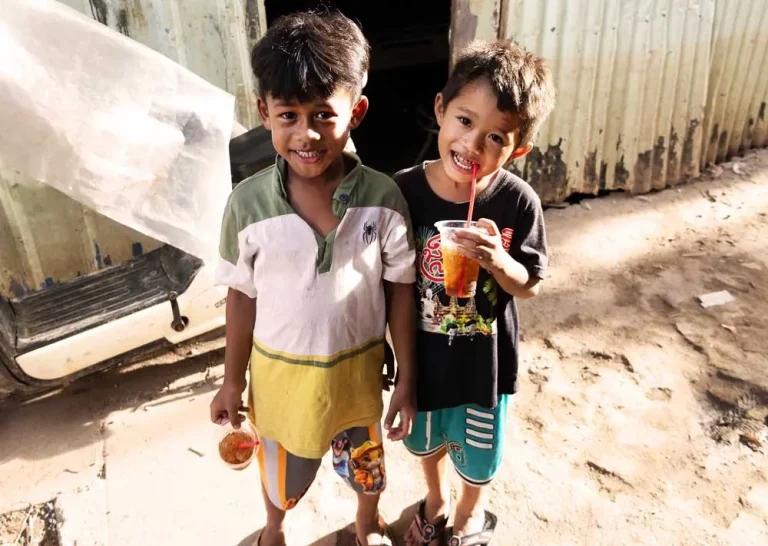
Image: Joe Day
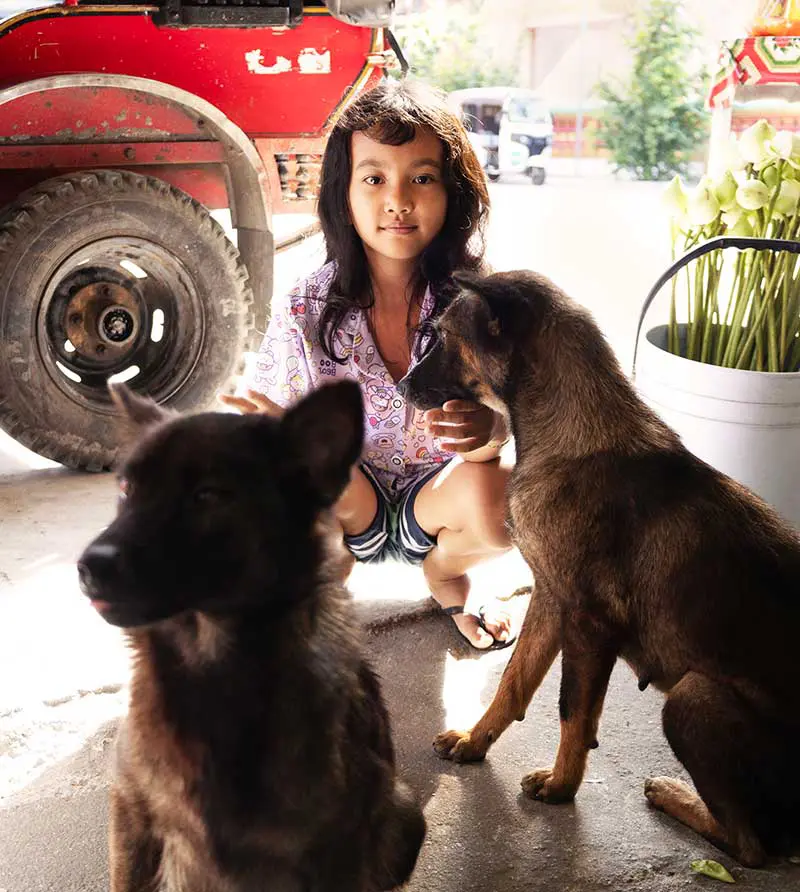
Arriving in Cambodia, I was immediately struck by how different everything felt from the UK: the atmosphere, heat, humidity and the pace of life. It was clear that this trip would be demanding, but unforgettable. I was here to document animal welfare with Worldwide Veterinary Service’s Mission Rabies campaign.
Rabies remains one of the deadliest, yet most preventable, diseases on the planet, taking a life every nine minutes, most often a child. In Cambodia, an estimated 600,000 people are bitten by dogs each year, though many incidents go unreported.
I had come to see the reality behind those numbers – the faces, the homes and the dogs – but also to meet the people on the front lines of the mission against this devastating disease. In just two weeks, teams of veterinarians, volunteers and veterinary students from across Cambodia and the globe came together to vaccinate 221,391 dogs. Many had joined the campaign to gain experience, contribute to public health, and simply learn from one another.
I followed their work, travelling mostly by tuk tuk, from the low-lying plains to crowded city markets, documenting the action as it unfolded. Over the course of the mission, I had the opportunity to visit different regions, joining both vaccination teams and treatment teams, and even observing surgical procedures carried out by the vets.
Rabies prevention
In each village, we were greeted by local chiefs who guided us to the areas where dogs could be found. We spoke with owners, explaining the purpose of the campaign and sharing information about rabies prevention and treatment. My role was to capture these moments; not only the work itself, but the human stories behind it. I spent time speaking with families to learn about them and their daily lives, and built connections that created a deeper understanding of the communities we attended.
Through early mornings and long challenging days, we built a great bond and sense of purpose. Every photograph told part of the story: a volunteer crouching to calm a nervous dog, or children and pet owners welcoming us into their homes. These moments showed determination and hope in a battle that rarely makes headlines.
Eye opening
What made the experience truly eye opening was seeing the day-to-day reality of the vets and volunteers at work in Cambodia. From dawn until dusk, they operated with a level of commitment and resilience that was deeply humbling. It made me realise the countless determination that goes into animal welfare.
It was fascinating to witness everyone’s rhythm and how they worked so well as a team, including the quick organisation of vaccine coolers in the morning, the calls exchanged across streets in Phnom Penh and the collective sigh of relief when a day’s total reached its target – specifically when working with the treatment teams, who worked in extreme heat, moving from house to house, yet every interaction they had, whether treating an injured animal or explaining to a family the importance of the campaign, was accompanied with a great deal of patience and care.
I began to understand the unnoticed amount of work and the quiet heroism of those who dedicate themselves, and give their time to protecting both people and animals.
Documenting this campaign didn’t just open my eyes to the vast scale of the disease; it made me understand the importance of compassion and collaboration required to solve it.
That experience reminded me why I pick up a camera in the first place. Photography is not just about the appearance of an image. It is about connection, empathy and message that can help create awareness. It is a way of understanding people and the environments they live in, shining a light on stories that deserve to be heard.
Closer to home
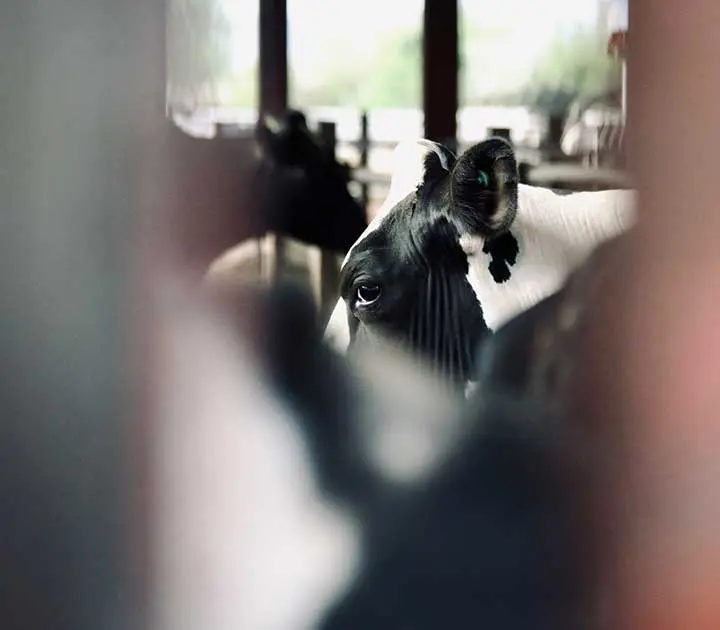
My focus has mainly turned closer to home in the past two years. I began documenting sustainability on farms across the west of England. I’ve been working alongside several small-scale to large-scale farms, capturing and understanding the various sustainable practices and policies of our farms.
Many people think sustainability on farms is simply about solar panels or reducing food waste. Through my photography, I research and highlight the deeper issues, such as the additives cows are fed and where they come from, and whether farms use pesticides that may harm the environment. I have noticed that it is a real everyday challenge for farmers who are trying to balance old traditions with innovative and new ideas while still caring for the environment.
Larger story
Regenerative farming, healthy soils and biodiversity projects all connect to a larger story about how we grow food and look after the land.
By photographing and documenting farmers, and their carbon-friendly practices, my work aims to demonstrate how sustainability is not just policies or statistics, but about people.
It is about the hands in the soil and the people who dedicate themselves to create a sustainable future.
The process
My process when starting a new project begins with the research and properly immersing myself within that environment I am shooting in.
I begin by fully understanding the stories I want to portray, building relationships with people and learning about the environment from an unbiased perspective. If I’m documenting a particular individual, I spend time getting to know them, asking questions, and writing their story in my journal before taking a single photo. This practice helps me connect with the subject, ensuring that what I capture is respectful and that the narrative is authentic.
My journal is an essential part of my process and is just as important as the camera. They hold the conversations and shoot plans. When I photograph a farmer talking about their dairy cow’s health or a vet’s case with an injured dog, I’m thinking of the care, the exhaustion, the pride that goes into animal welfare. Those are the stories that I want to document and capture.
I want my audience to see how animal welfare, agriculture and sustainability hold similar shared responsibility to the planet and to each other. Photography has the power to move people, to translate complex issues into human narratives that foster understanding and inspire change.
Looking ahead
Looking forward, I aim to expand more of my documenting on a global scale, so that I can continue exploring sustainability, animal welfare and stories within communities. My hope is to use documenting as a tool for education and awareness, to connect people across borders through shared humanity and respect for the world we live in.
Ultimately, my goal isn’t just to take photographs, but to build understanding, to encourage others to just get themselves involved – especially young creatives, to pick up their cameras and look closer at the world around them. Every story, no matter how local or global, carries the potential to change how we see things.
- This article appeared in Vet Times (2025), Volume 55, Issue 50, Pages 16-18