
29 Sept 2026
Vets Now at 25: how out-of-hours care changed UK practice life
St Vincents Veterinary Surgery founder Michael Morrow and other vets recall the difference the service has made to them as it marks its quarter century
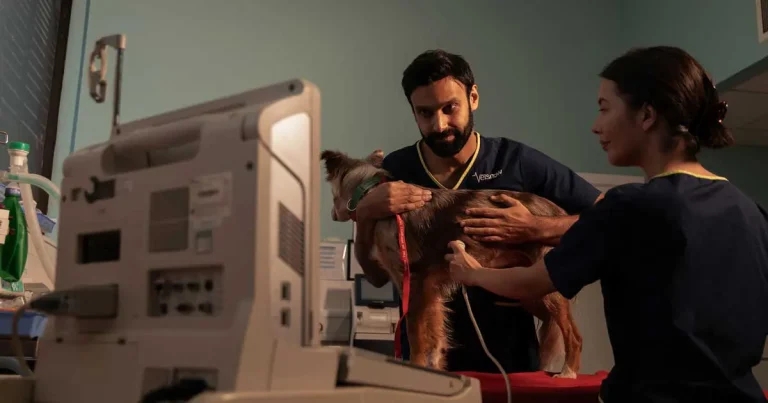
Image: Vets Now
In an ever-changing, constantly evolving profession, one aspect of veterinary life has become accepted as the norm.
For many young vets, graduation brings with it the expectation of joining practices where the phone will not be summoning them to a middle of the night call-out and weekends will be their own. It was a very different world 25 years ago, but the foundation of Vets Now – and its unique out-of-hours model – has transformed the veterinary world.
Determination
As the company marks its milestone quarter-century, it does so not just in celebration of its role as the UK’s leading dedicated ECC partner, but also with a determination to continue to drive change and improve care.
The veterinary landscape that existed when vet Richard Dixon started Vets Now, because of the pressures of always having to be on call, is one Michael Morrow recalls only too well.
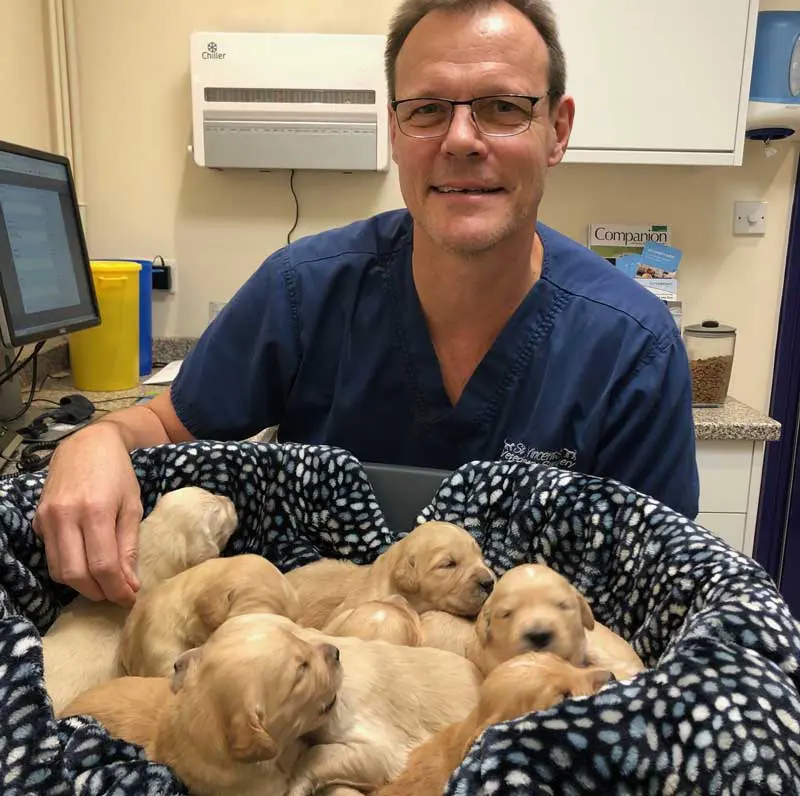
Having qualified in Pretoria, daytime vet Michael moved back to the UK in January 2000 and founded St Vincents Veterinary Surgery in Wokingham, Berkshire with wife, Nancy.
As dad to two young children, life as the sole vet, dealing with everything alongside a single nurse, was unrelentingly challenging.
He said: “Doing your own on-call took a physical and emotional toll. You’re trying to be your best person for the client, but when you’ve been woken up for the third time in one night and you’re back in the practice that morning, you become tense and short.”
Sampling what Vets Now could offer during just one weekend was enough to lead him to sign up. That was more than 20 years ago, making St Vincents one of the vanguard of veterinary practices using Vets Now for out-of-hours night and weekend cover, allowing their own teams precious switch-off time and rest.
Trusted partner
Today, Vets Now is a trusted partner to more than 1,700 practices all across the UK, from northern Scotland to the south coast of England. From just the single centre at a hectic PDSA hospital a stone’s throw from Glasgow city centre in 2001, Dr Dixon’s original vision has grown enormously.
Vets Now has more than 60 clinics providing out-of-hours cover, as well as two large hospitals in Glasgow and Manchester, seeing more than 200,000 pets every year. The clinical teams provide expert emergency and critical care throughout the night and weekend, with Castle Vets – the host practice – home to the Vets Now Reading clinic and just half an hour from St Vincents, the partner practice.
Sophistication
The process has been honed to slick and simple sophistication, with practices’ phones diverted to a dedicated contact centre team who answers calls and triages emergencies.
The St Vincents phones switch over to Vets Now at 6:30pm, but the groundwork for any transfer of patients will have been carefully laid earlier in the day.
Mr Morrow said: “I’ve heard of places where clients find out last minute that their pets need to be transferred, which can be very stressful.
“We’ll explain early in the day that we think the animal needs to be kept overnight for observation or treatment. And when they come in to do that around 6pm, we have everything packaged up, with information already emailed to the Vets Now team and hard copies to hand.”
Each shift has a vet and a nurse who are supported by an animal care assistant and receptionist during the busiest part of the shift, which is until midnight.
Principal veterinary surgeon Anita Notenboom has been a vet for almost 30 years and has been with Vets Now since 2018.
During a shift, she will oversee an early in-house round with host practice Castle Vets to go through care plans and medication needs for their overnight patients, and similar packages for all the partner practices.
Dr Notenboom said: “In addition to the email information, we’ll often have a phone call with practices like St Vincents to check in on the animal’s fitness to travel and what’s required.
“It’s like a bit of triage more than the phone, ensuring what’s planned is always the safest option. Then the owners will arrive with their animals and we’ll also see last-minute emergencies from our partner practices where we’re the first point of contact.”
Alongside emergency calls and walk-ins, the teams see a variety of different cases. Around one in four animals cared for require hospitalisation, with others discharged after treatment.
When daytime practices reopen, where safe to do so, hospitalised patients are transferred back to their daytime practice, along with comprehensive clinical notes, x-rays, scans and all necessary handover information. It is a set-up that has worked seamlessly for St Vincents for more than 20 years, one based on trust, understanding and a personal connection.
Mr Morrow said: “What almost always happens with the more serious cases is that the Vets Now vet involved will give us a call.
“They’ll have finished their shift, but they phone in their own time to talk through nuances of the case.
“It’s such a nice thing to have that one-to-one chat and it really helps with the continuation of care.
“The peace of mind comes with knowing things will be done properly. It’s not only time off I’m looking for, it’s time off with an easy conscience.
“You need to have confidence that the level of care is there. The staff are so well-trained in ECC medicine, I know our patients are in good hands.”
For Mr Morrow and St Vincents, like so many of the veterinary practices partnered with Vets Now, it is a relationship that has fostered expansion and growth.
After St Vincents expanded to new premises a decade ago, the recruitment process was considerably helped by candidates being reassured that nights and weekends are covered.
Mr Morrow concluded: “In terms of recruitment, having quality staff and building an environment where people are rested and enthusiastic during the day, the Vets Now service is a really big factor.”
- This article appeared in Vet Times (29 September 2026), Volume 56, Issue 39, Pages 28-29