
9 Dec 2025
Any practice that needs to buy equipment will, given the expense, naturally wonder if it should buy new, used, or even from platforms such as eBay. But whether it’s diagnostic or imaging equipment, surgical devices or other significant outlays such as a re-fit or new IT systems, there are important financial decisions to be made…

James Westgate
Job Title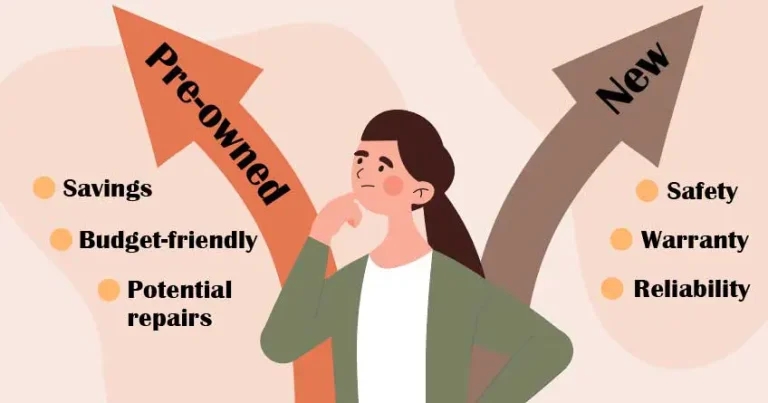
Image: Credit:Rudzhan Nagiev/ iStock
Naturally, buying new would be the first option for most for a number of reasons, including having the latest technology and features and machines that are often more efficient, accurate, safer and easier to use.
Then there’s the matter of having a better warranty, support and service agreements that give security in terms of downtime and cost of ownership.
On top of that, new equipment will meet current standards (electrical safety, CE or UKCA marking, radiation shielding, calibration and so on).
This lowers legal risk, ensures safety, and helps with insurance. There’s also greater reliability with no worn or stressed components and lower chances of hidden defects. Clients are also likely to view practices with up-to-date equipment in a better light.
On the flip side, is the high capital cost with budgetary constraints meaning fewer or simpler units; higher depreciation where new equipment loses value quickly; having to wait for equipment to become available; and the risk of over specification – paying for features that won’t be used.
The obvious alternative to new is to buy used – maybe from another clinic, refurbished from the manufacturer, or from a specialist vendor that has reconditioned, tested and, perhaps, upgraded the machine, replacing worn parts and offers a limited warranty.
Such equipment can cost less than new, making higher spec or more advanced equipment more affordable, and some older models may have proven performance.
However, there’s going to be uncertainty of condition with hidden wear and tear, parts near end of life, unknown usage history and unknown maintenance.
There may also be limited support available. It is also worth considering that older machines might use legacy software or interfaces, meaning staff training or compatibility with existing (records) systems could be more difficult.
Financially, used machines will likely have already lost much of their value and should depreciate less quickly. And buying used means that equipment may be available much more quickly.
Ultimately, there’s the risk of “false economy” if savings are eaten up by downtime, expensive parts and lack of support; practices could be worse off compared to buying new.
An alternative is to buy from eBay or similar, but that comes with its own set of advantages and hazards. There is the potential for a wide selection and lower prices. And it’s also easy to search and make comparisons and buy with the option to refurbish later. Good sellers will provide photos, serial numbers, usage hours and condition details to help buyers make informed decisions.
But devices on eBay may have no instruction manual. They may be unbranded, counterfeit or misrepresented – described as working or complete but lacking crucial parts or partially broken; photos may not show everything.
Also, sellers may be less forthcoming with after-sales support; warranties may be “as is” unless the seller is a specialist with a good track record.
But whenever buying equipment, it’s not enough to consider the purchase price as the total cost over its useful life is equally important. This includes the cost of maintenance and repairs; consumables; training; downtime including for calibration and safety checks; energy consumption; and software updates.
A new machine will have a higher upfront cost but lower maintenance costs and offer more efficient running and greater reliability, which may make the TCO favourable.
However, refurbished and used equipment might save money up front, but if parts are sparse or expensive, or if downtime is frequent, savings may erode.
There is no wrong or right answer to buying for a practice. The key, however, is to think ahead and consider exactly what the need is and buy according to budget – and with an eye on more than the headline price.
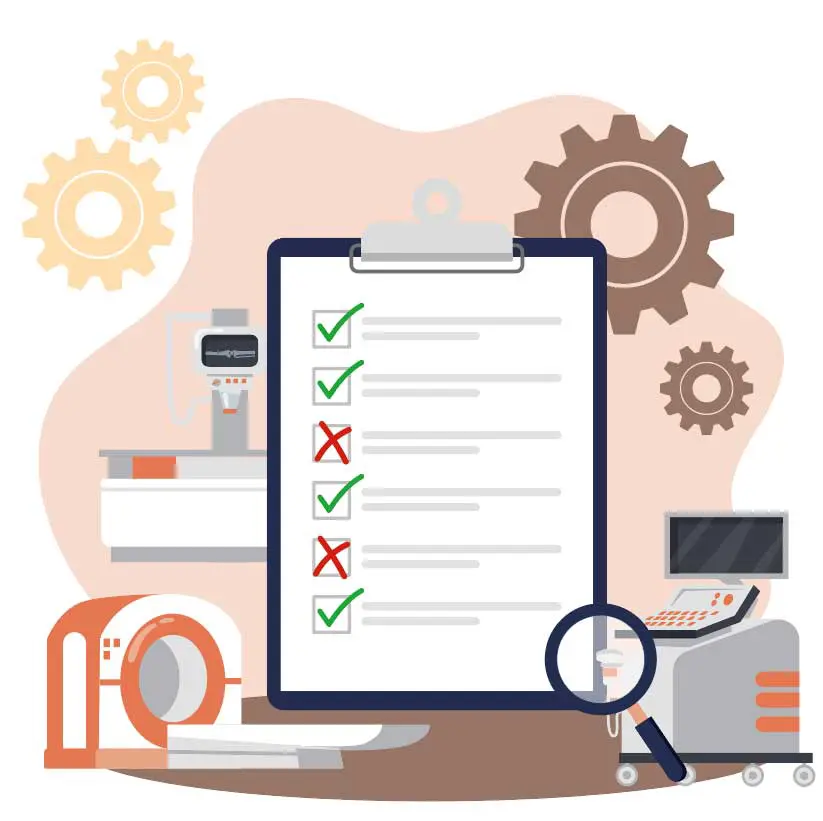
Define the need and specifications. Be clear on what is needed. Consider the essential features, what is optional, the throughput or capacity required, footprint, power supply and any compatibility issues.
Decide on what the practice can afford to spend. Think about support, maintenance, consumables and refurbishment.
Some brands have better reliability and have more readily available spares, as well as better support. Check for reviews and past performance. Remember that buying something too old may make integration or future support hard.
If possible, ask to see the equipment working or a video showing full functionality. Check for condition and matching description.
For used or refurbished ask for serial numbers, usage hours, maintenance records, calibration, safety inspections, user manuals and parts availability. For new equipment, obtain a warranty document, service plan details, and detail on ordering spares and training.
Ensure the device is certified, up to current legal and safety standards. Check for CE or UKCA marking.
If buying from a specialist, check references, feedback and responsiveness after sale. If buying via eBay or a marketplace, check seller rating.
For used or refurbished, some vendors may provide limited warranty or service contracts. Check also if the manufacturer still supports the model.
Evaluate whether leasing or buying is better for the cash flow and tax situation.

David Burton, chairman of Burtons Veterinary Equipment, sees “a strong tendency to buy new equipment, especially for digital and electronic devices like patient monitors because technology evolves rapidly and used options quickly become outdated”.
Importantly, he states that veterinary-specific new machines are exactly what they say they are. In comparison, he says that “second-hand patient monitoring equipment may not have the range, such as beats per minute, for the wide range of species encountered… [and] ex-human equipment can be unnecessarily complicated for veterinary applications and have high service costs”.
Notably, David sees relatively little second-hand equipment in practices, but adds that for “more mechanical used equipment, such as operating tables, cages, and simple surgical instruments, [used] can represent good value but [is] in very limited supply”.
As to the savings of used compared to buying new, David reckons that they’ve diminished over time. He says: “Historically, used anaesthesia machines cost around £500–£600, but new machines can now cost less than that. For digital devices, used equipment often offers limited savings because it may be outdated or costly to maintain and service. Therefore, the financial advantage of buying used is not as significant as it once was.”
When buying used, there is the natural worry of buying a dud. Here, David says buyers are right to be cautious because “used equipment often has limited or no support, including unavailable spare parts and updates. Full-service histories are rarely available, increasing the risk of buying faulty or poorly maintained items”. He adds: “It’s much like purchasing a car; one owner is always going to be more appealing and more reliable than a company pool car with many users. Who would buy a five-year-old computer?” Also, it needs to be remembered that warranties on used equipment are also typically minimal or non-existent, David says “making it a gamble unless the buyer is very knowledgeable or the equipment is thoroughly checked beforehand”.
Age of a product can make a difference to funding. David regularly sees finance companies “reluctant to fund older equipment, especially electronic devices with digital technology that may have no resale value or support”. He gives the example of funding a 20-year-old MRI scanner as being difficult “because lenders doubt they can recover their money; newer equipment is far more likely to receive funding support”.
Of course, funding a new practice is a whole other subject: “With such a range of budgets; some have money in the bank, others are fully funded, and others are in between. We tend to see a 50/50 split between cash purchases and financed deals.”
As to any hints and tips; shop around and ask for discounts or price matching from your favourite suppliers. Consider also the full-service chain since equipment often requires ongoing maintenance and support.
David also warns against rushing to buy from foreign manufacturers or unverified suppliers, as certifications can be fake.
Lastly, he advises verifying compliance and legal safety certifications, especially for electronic and pressure system equipment like anaesthesia machines and autoclaves.