
11 May 2026
Alan Robinson urged fellow professionals to stop offering lower-priced and free consultations.

Chris Simpson
Job Title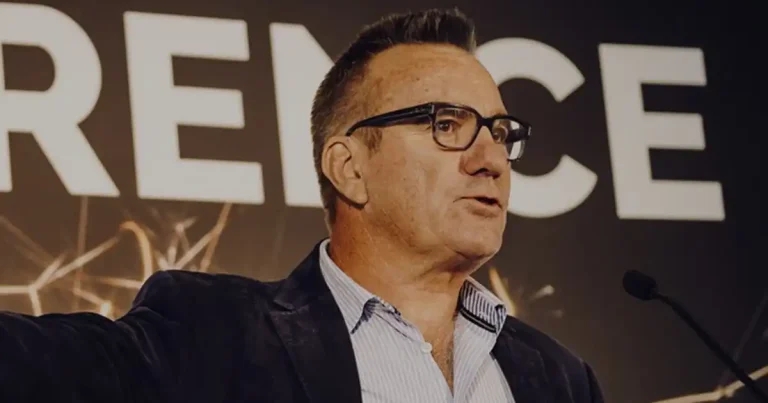
Vet Dynamics managing director Alan Robinson.
A leading vet business consultant has urged clinicians to stop issuing discounts to improve their profitability.
Speaking in “The money conversation – clarity for leaders, confidence for teams” hosted by the Webinar Vet, Vet Dynamics managing director Alan Robinson explained that “to increase revenue and profit, you’ve got to increase your average consultation rate per hour, and that then spreads across your whole pricing structure”.
Mr Robinson said vets are “horrendous discounters” and by offering discounted repeat and free consultations, “you’ve just scuppered your whole rate per hour process, because you can never get that money back when you haven’t charged”.
The veterinary surgeon continued: “Now the question is, what do we do about that? There’s one short answer, stop the discounting.
“Stop having all those lower price consultations… and maintain your reasonable but feasible consultation fee that you need to do, so stop that discounting as best you can.”
He added: “Your profitable income rate per hour should determine your minimum consultation fee, so what we’re doing is reverse engineering our consultation fee.
“We choose what our rate per hour could or should be based on our projections, and then we calculate our minimum fee from that.”
Mr Robinson said he adopts a philosophy of “it costs what it costs”, concluding: “Quality veterinary care is a high fixed-cost business… as a result, I don’t personally believe there’s any such thing as a low-cost veterinary treatment or veterinary practice.”
Joining him in the webinar, Vet Dynamics business development consultant and VMG president Rebecca Robinson discussed how to overcome resistance to pricing changes among team members.
She said colleagues can view increasing prices as “a threat to their caring identity”.
But she noted: “If we understand that [their] uncertainty comes from genuine concerns, we can really start to view it in a different way, so resistance is a useful tool.”
Dr Robinson advised: “Questions and curiosity are really important, and we need patience to do that.
“We need to have the right frame of mind, and that’s why seeing the resistance as information, rather than a barrier, is really helpful to give us that mental ability to really, truly listen to what they’re worried about.”
The vet recommended addressing colleagues in a clear and concise manner, explaining why the changes are needed, when they will be implemented and what the impact of them will be on the team and clients, anticipating their concerns and incorporating their ideas where possible.
She also urged practice leaders to conduct conversations around change in person rather than by email or other written formats so “people can see your tone and your body language, which means they’re more likely to trust you and trust your intentions with it”.
Dr Robinson concluded: “Lead by example. We’ve got to be confident of our change if we expect our team to be confident with it and really involve them to empower them.
“Change isn’t about perfect planning. It is about how you show up for those people, and that’s how you can make it easier for them to accept even price increases in practice.”