
10 Feb 2026
Unlocking the potential of small animal dentistry requires balancing clinical necessity with economic reality. By aligning market demand, profit drivers and supply efficiency, practices can transform essential dental care into a sustainable cornerstone of business growth…

Bob Partridge
Job Title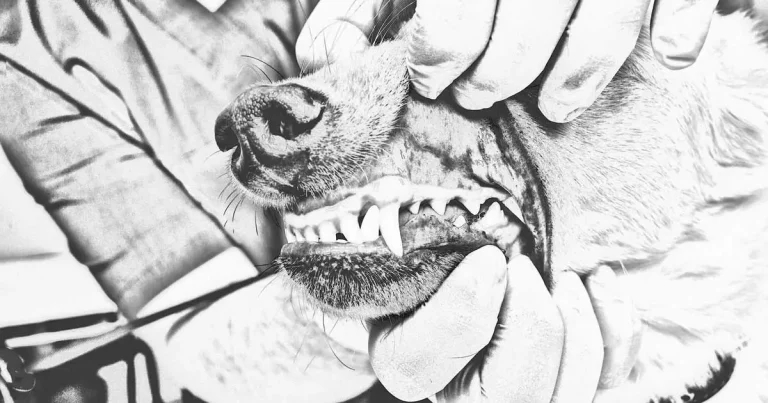
Image: kaninstudio / Adobe Stock
Dental disease is the most common problem affecting companion animals. Numerous studies, including large data models such as VetCompass, support this finding – highlighting periodontal disease as being the most common disorder of dogs and cats.
Between 80% and 90% of dogs and more than 70% of cats above the age of three showed periodontal disease. However, even these staggering figures are likely to be an underestimate of the prevalence – as periodontal disease can often only be identified by examination under anaesthetic and radiographic evaluation.
The ill-effects of dental disease are not just limited to the mouth. Systemic illnesses – cardiovascular, renal and hepatic diseases – are all linked to periodontal disease. Even diabetes mellitus can be triggered by dental disease, which can also cause wound infections, osteomyelitis and orthopaedic implant failure.
Certainly a driving clinical need exists for effective dental care.
Clients are increasingly aware of the problems. Campaigns such as Pet Smile Month and on-going oral hygiene promotions have helped encourage owners not to accept “dog breath” as an inevitable part of ageing. While the phrase “fur baby” still sends shudders down my spine, the increasing acceptance of pets as “part of the family” that deserve a high quality of life is improving the levels of oral care for our patients. Pets that are cuddled and adored will challenge an owner’s bond when their breath smells like a rotting carcase.
Individual practices will have varying proportions of cats and dogs and differing demographics in terms of age distribution. However, practice management systems make it very easy to drill down the data for your own practice. Analysis of the data from two large groups provides an idea of the potential size of the market for dental services in first opinion practices.
Firstly, only consider the group of active patients. I regard these as pets that have been seen in the past year. Then look at the numbers of patients over the age of three. Finally, use the data that suggests that 80% of those older patients currently require dental treatment.
This indicates that between 500 and 600 dogs, and between 300 and 400 cats, per full-time vet require dental treatment. This represents approximately 50% of the total active patients on the practice database.
Of course, this figure represents a large underestimate – as all of the juvenile patients (with retained temporary teeth and malocclusions) are excluded. Also excluded are trauma, oncologic and other medical cases.
These can include:
My personal advice is that each of the components mentioned are itemised and charged separately. Indeed, this appears to be the CMA’s advice too. Breaking down the costs makes client understanding and acceptance easier. It also emphasises just how much work and expertise goes into a “dental”. The approach adopted by some of a fixed price model is actually demeaning to the skilful, professional and caring practitioners performing the surgery.
It is notoriously difficult to obtain average prices across the UK for any veterinary procedure. Indeed, it is not so long ago that the CMA’s predecessor frowned on practices sharing price data as it was considered potential price fixing. In today’s climate it looks as if the CMA is going to promote national comparative price lists. In the meantime, I have had to rely on Google’s AI analysis to provide the data that follows.
The average cost of a “routine” dental cleaning for cats and dogs (a phrase that drives me crazy – but is beloved by the CMA) in the UK is said to be between £150 and £400; however, prices in major urban areas can start at £500.
Additional fees for radiography in the UK vary from £100 to £400.
Radiography should be regarded as an integral part of dentistry – not an optional extra. Clear evidence shows that full-mouth radiographs of dogs without any visible dental lesions yielded clinically important findings in 27.8% of dogs1 and in 41.7% of cats2. Another study showed that 24.3% of dogs with fractured upper carnassial teeth had “tooth root abscesses” that would have gone undiagnosed without radiography3.
Fees range from £50 per tooth to £400 per tooth.
Fees average £100.
To give an idea of the potential income stream, a) assume 50% patient uptake of a preoperative blood sample; b) use the figure of £250 for the “routine dental”; c) assume 75% of patients having radiography at £200; d) that only 20% of patients require some extractions at a total figure of £250; and e) medications and consumables at £75. I appreciate that this may be a large underestimate of figures seen in practices.
These assumptions result in an income per dental of £575.
Ignoring the juvenile patients, trauma and oncologic cases – but simply taking the baseline of 900 patients (80% of active patients above the age of three), the number requiring dental work at £575 equals £517,500.
Vets typically can expect to earn 20% of turnover. So, if vets were to achieve this level of clinical care, they could command salaries in excess of £100,000, purely on dentally derived turnover.
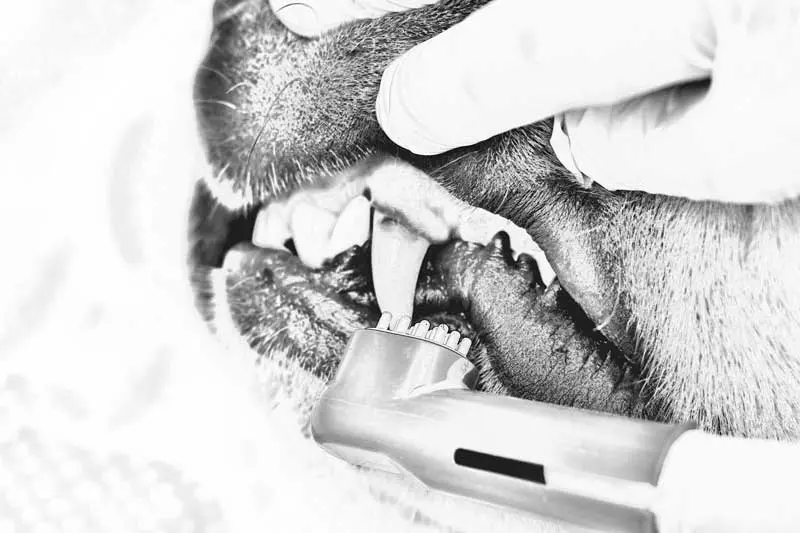
The capital costs of good quality equipment can appear high, but when viewed in relationship to the potential income they are trivial.
Also, the high usage rates will make purchasing dental equipment one of the best investments veterinary practices can make. Offsetting the capital costs with depreciation against tax also lowers the financial burden on businesses.
It is important to consider the quality and ease of use of the equipment. Even if a particular x-ray unit is £2,000 cheaper, if it is difficult or time consuming to use, it won’t be used. The value of equipment is not the price tag, but in its usage. Unfortunately, some “bean counting” veterinary enterprises can be perceived as “knowing the price of everything – but the value of nothing”. Additionally, pigeon-holing equipment as “dental” can limit its use. Rather than thinking of dental x-rays, consider them as small field, high-definition radiographs. The images you can achieve of carpii, hocks and elbows are staggering to most orthopods.
Once the investment in capital equipment has been made the on-going costs for dentistry are relatively small.
Typically, vets are thought of as having two driving forces when suggesting treatments – clinical needs and financial. The balance between the two will vary between individuals and businesses.
Overwhelming evidence exists to show the clinical benefits achieved by patients following effective dental care.
These benefits relate not only to oral health, but a wide range of systemic benefits.
If above all, our constant endeavour is to ensure the health and welfare of animals committed to our care, then we should be far more effective and proactive at providing dental care for our patients.
That 80% of patients above the age of three require dental treatment today is as damning of the lack of care from the veterinary profession as it is of owners.
Considering the financial drivers, surely a potential income of £517,000 per vet is a suitable incentive for businesses? Some would say that veterinary business is too often income focused. However, we should consider two things:
So, vets and their support teams who wish to achieve better remuneration can achieve that by properly addressing a clinical demand.
In terms of the ability to provide the service, in some ways it is easier to look at possible barriers to supply.
When we are faced with a clinical need for our patients, we usually manage to effectively convey this to the owner. Treatment options are negotiated and then some remedy for the problem is progressed.
The clinical benefits of dental treatments in relieving pain, discomfort and the treatment and prevention of illness (both local and systemic) are quite clear and well documented. When was the last time that a client refused any treatment for their diabetic dog, the Cushing’s case, renal or cardiac failure or even a broken leg? How would we, as a profession, feel about accepting “poor owner compliance” as a reason for failure to address these issues?
So why are we, as a profession, quite content to allow dental disease to continue causing pain and illness?
While dental disease is the most common problem affecting the pet population and the treatment most likely to be encountered in general practice, a woeful level of undergraduate training in the discipline exists.
Not a single dental specialist is employed full time by a UK university. Often training relies on well-meaning practitioners going into universities and providing training pro-bono. Can you imagine the scenario if training in orthopaedics, imaging or internal medicine was provided in the same manner? Yet this is the commonest training method for the most common problem that new graduates will face in companion animal practice.
Professor Frank Verstraete (one of the titans of veterinary dentistry) has been damning of this approach, as it allows universities to fail to address the issue of dentistry training. Vet schools should be providing effective, quality training for veterinary undergraduates. They are, after all, charging large sums for this training. The absence of any tenured academics also hinders the provision of research into the discipline.
X-rays were discovered in 1895, the first dental x-ray was taken in 1896 and in 1914 dental radiography was added to the dentist’s teaching curriculum. More than 110 years later, despite the proven need for effective radiographic assessments (vide supra), how many UK universities are teaching dental radiography?
The universities should face questions as to why they are not properly providing dental training for their veterinary undergraduates. Ultimately the RCVS carries responsibility for allowing them to get away with it.
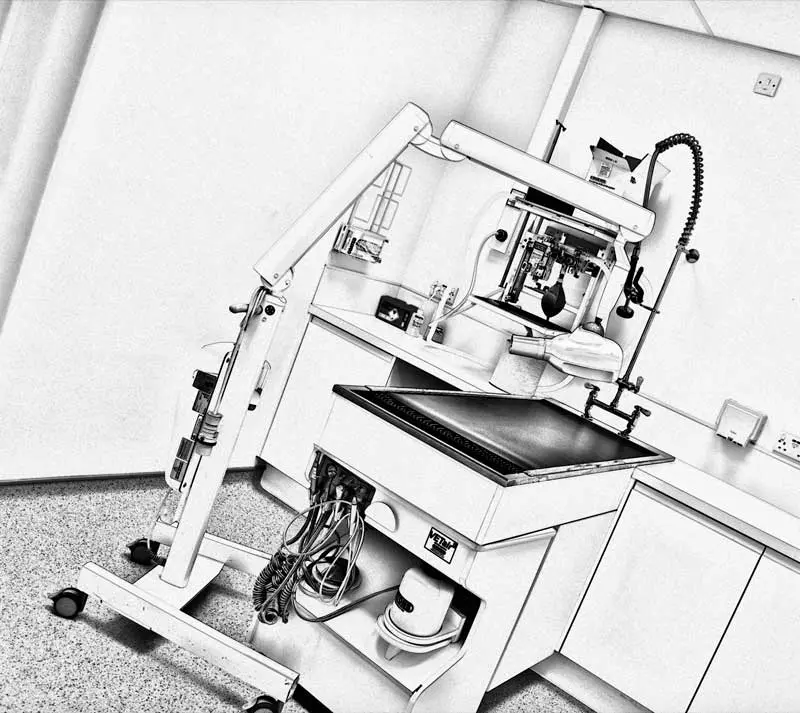
Practices notoriously underinvest in dental equipment. I have watched at trade shows while vets struggle whether to buy a single elevator at £25 or the more expensive £35 version – rather than realising that investing in two complete sets of five instruments will save them hours of operating time over the next year. Even when instruments are purchased, they are rarely maintained or sharpened. Performing dentistry with poor or blunt equipment dramatically increases the risks of complications, as well as increasing procedure time.
Dentistry is considered second class by the universities and that attitude continues into practice. Rarely are dedicated dental rooms available, so (for hygiene reasons) dentals are squeezed in after the “important” stuff – neutering, orthopaedic or ophthalmologic cases – is all sorted. Time pressures are inevitable, as are the vet’s low glucose levels as they embark on the dental cases after the rest of the operating list.
A combination of poor training, poor equipment and time pressures will inevitably lead to poor results. The nature of veterinary surgeons is that they want to do things right for their patients. Putting them out of their comfort zone into an area where they would expect to fail, means, not surprisingly, that they would rather sidestep and avoid. Hence the clinical notes recording “dental disease – monitor”, “review next time”. Imagine the scenario of notes reading – “renal failure – assess and treat at next vaccination”. Why as a profession are we so dismissive of the deleterious effects of dental disease?
The present situation is obviously not in the best interests of our patients’ health and welfare. Nor is it in the best financial interests of practices.
Long-term resolution will require a mind-set change from the universities to prioritise the actual clinical realities that new graduates face, and to invest in dental specialist-led training. Veterinary practices will also require a similar Damascene conversion to invest in space, equipment and postgraduate training.
If an awareness of the potential financial rewards from properly addressing dental disease is needed to improve the welfare of our patients, hopefully this article will have had a beneficial impact.
Bob Partridge is an EBVS European and RCVS-recognised veterinary specialist in veterinary dentistry, having been previously well steeped in general practice. Bob provides small animal dental referral services from VetDentist.co.uk in Harrogate and bespoke companion animal dental training in-practices around the UK, as well as lecturing in Europe and Asia.