
16 Dec 2025
Nupsala Group’s chief executive Greg McGarrell steps into the Examination Room to discuss his varied and exciting role.

Vet Times
Job Title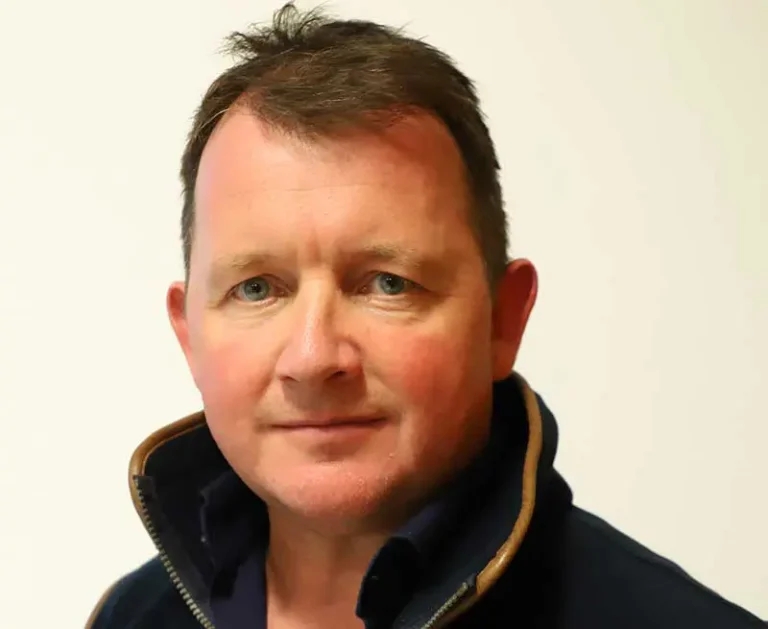
Q. When did you start Nupsala, and what is your background?
A. I founded Nupsala in 2013 with a vision to bridge the gap between clinical practice, scientific research and the commercial distribution of advanced veterinary therapeutics. My academic background is in medical sciences and biomedical engineering, and I also hold an MBA from Henley Business School.
Before launching Nupsala, I spent several years as chief executive of VetCell Bioscience, which was one of the early pioneers of stem-cell therapy for horses and dogs. That experience gave me not only a front-row seat to the potential of regenerative medicine in veterinary practice, but also to the commercial and regulatory challenges that held the field back. I wanted Nupsala to be different: a company that could translate cutting-edge science into accessible, practical products for everyday clinical use.
Q. What does your role at Nupsala entail?
A. It’s incredibly varied, which is one of the things I love most about it. My role spans product development, clinical research and commercial strategy, often all in the same day.
On one side, I work closely with our academic partners, including Harper Adams University and the University of Cambridge, on our biomarker and clinical trial programmes. On the other, I lead Nupsala’s UK and EU operations, guiding our distribution, logistics, and market development activities through Nupsala Veterinary Services and our EU subsidiary in Brașov, Romania. A lot of my focus is on building partnerships – whether that’s with manufacturers, research institutions or veterinary practices – to create a connected ecosystem that supports innovation from lab to clinic.
Q. It’s an exciting time at Nupsala – why’s that?
A. We’re at a real turning point. Over the past few years, we’ve expanded from being a UK-based distributor into a truly European group, with a direct presence in the EU through Nupsala EU. The new warehouse and training facility in Brașov are already becoming a hub for CPD, clinical education and regional distribution.
We’re also focusing on the way we look at the pricing of medicines and the benefits of net-net pricing. Net-net pricing is the final price that is paid for a product or service after all discounts, promotions and additional charges have been applied, and it represents the true cost to the practice after all reductions. It provides vets with total transparency, as the final price is known from the outset, and ensures a level playing field among corporate groups and independent practices. It also helps simplify prices charged to pet owners.
Finally, we’re working with the Veterinary Osteoarthritis Alliance, a not-for-profit organisation focused on improving standards of care in OA management through education, certification and collaboration. The annual VOACON congress, the Blue Paw Award scheme and industry partner programme have all helped to create a genuine sense of community among musculoskeletal-focused vets.
So, it’s an exciting mix of clinical, commercial and educational initiatives, all aligned to a single purpose: advancing musculoskeletal health through research, insight and partnership.
Q. What does your typical working day look like?
A. No two days are ever the same and I wouldn’t have it any other way. A “typical” day might start with a call with our Romanian team to review distribution plans, followed by a meeting with researchers to discuss biomarker assay data or study logistics.
Then, I might spend the afternoon reviewing product registrations or strategic plans with our commercial partners across Europe. There’s also a lot of time spent mentoring our internal teams – whether it’s sales, operations or marketing – to make sure everyone understands the bigger picture of what we’re building. I’m a big believer that innovation happens when people feel connected to the mission, not just their job description, and when I’m on the road I still enjoy visiting clinics and talking directly to vets. These conversations generate the best ideas.
Q. What do you enjoy most about your job?
A. It’s the variety and the impact. Every project we do has the potential to make a tangible difference to animal health and to the vets delivering that care. I particularly enjoy the collaborative side, bringing together clinicians, researchers and industry partners who might not otherwise cross paths, and helping them work towards a common goal. Seeing those ideas come to life, whether it’s a new diagnostic biomarker, a CPD course or a commercial partnership, is incredibly rewarding.
There’s also something deeply satisfying about working in an area that still has so much potential for innovation. Musculoskeletal medicine in animals is where human orthobiologics were maybe 15 years ago, so there’s huge scope for progress if we get it right.
Q. What advice would you give to people interested in a job in veterinary wholesaling?
A. Understand that veterinary wholesaling isn’t just about logistics and sales; it’s about knowledge, trust and service. The best distributors are those that genuinely understand the products they supply and the clinical needs they serve.
If you’re thinking about entering this space, invest time in understanding how veterinary practices operate and what challenges they face. Build relationships, not just transactions. And always stay curious; the industry moves fast, and innovation comes from those who keep learning.
Also, remember that regulation and quality assurance are central to the sector. Compliance can sound dry, but it’s what underpins credibility. At Nupsala, we take GDP (good distribution practice) and regulatory oversight very seriously because our reputation depends on it.
Q. If you could give your younger self a piece of advice, what would it be?
A. Be patient with the process; progress takes longer than you expect, but if you stay true to your principles, it happens.
In my early career, I was very driven by pace and outcomes, which served me well in some ways, but also made me frustrated with the inevitable setbacks that come with innovation. I’ve learned that success in this field is about perseverance and collaboration, and that every challenge usually leads to something better if you handle it constructively.
I’d also say: choose your partnerships wisely. Surround yourself with people who share your integrity and curiosity. The right team makes even the most ambitious projects achievable.