
15 Sept 2025
Values-driven leadership is crucial for fostering a compassionate and ethical practice environment. By prioritising integrity, empathy and a commitment to animal welfare, leaders can enhance the quality of care and the well-being of all stakeholders…

Image: Nur / Adobe Stock
The title of this article may sound like yet another collection of buzzwords that ambiguously describe how to do your job, but this isn’t about what you emblazon on a mission statement – these are the principles that guide all your decision-making, your behaviour and, crucially, your interactions as a team. Without shared values, your business is without a compass, regardless of where you steer it.
Most of us will have shared values, which should be discussed within our teams – compassion for patients, empathy for clients and cooperation with our team members. However, there are nuances and varying emphasis between different business leaders. Without highlighting what is important, our teams lack clear, unified direction and can fail to prioritise or act in accordance. This leads to decision-making based on individual values that may clash, and friction that can contribute to burnout or increased team churn.
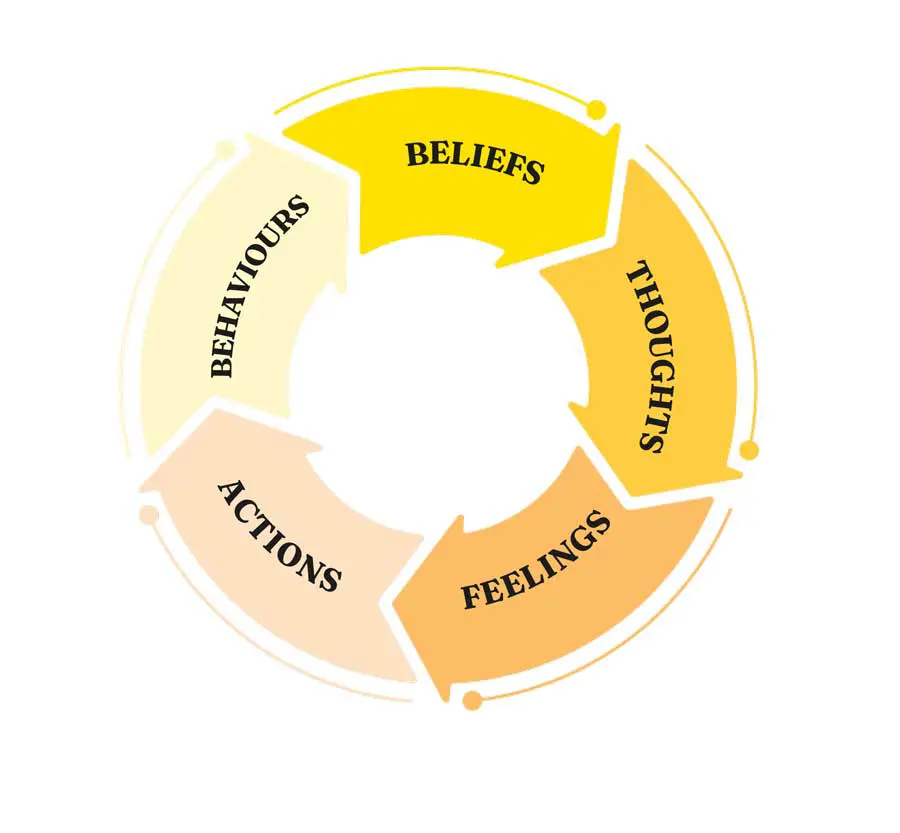
Agreeing on our shared values as a team sets a base level expectation for our conduct, service and how we treat our colleagues. This leads to an unambiguous standard to which we hold ourselves, creating a supportive and cohesive team and a great workplace. This is the foundation on which both performance and well-being in the workplace reside (Figure 1).
Psychological safety is essential within a functional workplace, and it can be a direct effect of values-driven leadership.
We should all (as difficult as it may seem at first) be open to feedback, and equally, all be able to deliver it at an appropriate time and with the requisite empathy. On a leadership panel at BVA Live, feedback was referred to as a “gift”, which allowed many to reframe it, after previously fearing it was criticism.
Both parties are responsible for exchanging feedback, but the first step as a leader is ensuring that everyone knows how to both deliver and receive it effectively.
Many veterinary leadership training programmes carry a lot of focus on human factors training, which helps to create cultures where mistakes are a learning opportunity, feeding into psychological safety at work.
Ultimately, our teams value being afforded responsibility and trust, and this is built through effective delegation from their leaders, empowering them to make positive choices for your businesses. Clear, shared values provide guiding lights that underpin effective delegation. As leaders, we must lead by example and live by the values we have communicated to our teams and must also be prepared to highlight where anyone’s performance may have fallen short of that. Equally, we must recognise and celebrate when the values have been effectively demonstrated.
Resources to help leaders develop their skills in communication, delegation, and effective personal development sessions are available on the SPVS Hub and via the BVA Great Workplaces website. Specific human factors-focused training is available from providers such as VetLed, among others. SPVS has just launched a specific leadership page highlighting the ways a leader can be supported in their development. Visit
spvs.org.uk for more details.
It can be a difficult balance to strike between being an efficient, reliable and unflappable leader, versus a real person with feelings and personal pressures. We might secretly wish that all members of our team were tireless, ultra-resilient automatons at times, but the reality of working among diverse, enthusiastic, kind and caring colleagues means we must take the rough with the smooth and recognise that life doesn’t begin and end when we walk over the practice threshold.
A team member struggling at work could stem from something much larger at home, and while we are not there to solve everything for them, we must foster an environment where they feel safe to let us know if they are facing challenges. We must also indicate to our team where we may not be at our best and should be met with the same empathy.
This awareness also gives us context for those often-dreaded “hard conversations”. Delivering difficult feedback is never comfortable, but approaching it with genuine empathy – understanding potential external factors, listening actively and focusing on growth – transforms a challenging exchange into a constructive one. It’s about being honest and direct, yet compassionate.
And then there is resilience. The veterinary profession has, for too long, misinterpreted resilience as “toughing it out”. Resilience is about recovering from challenge, and is complex and multifactorial – with many of the components including extrinsic factors such as support networks, a positive work culture and personal development. Expecting boundless resilience without providing the foundations for it is harmful and can foster a culture of suppression that may contribute to burnout and mental health challenges.
True leadership means actively building support systems: peer networks, access to well-being resources, clear boundaries and an open culture where asking for help is a sign of strength, not weakness. This applies to leaders too: you can’t pour from an empty cup.
So, here’s a tangible challenge: this week, pick one personal boundary you consistently struggle with (for example, checking emails after hours or skipping lunch) and consciously honour it. More importantly, briefly and transparently communicate to your team why you’re doing it. You can’t expect them to build resilience if you don’t model healthy habits yourself.
VET.CT is a global veterinary company providing remote diagnostic imaging interpretation and education services. Founded in the UK in 2009 by veterinary radiologist Victoria Johnson, the company remains committed to being a force for good in the veterinary industry.
As CEO, Victoria Johnson is an exemplar of values-driven leadership and has been recognised in cross-industry awards.
She said: “Since founding VET.CT, our values have been a guiding light in all our decision-making, and vital to fostering a culture of trust and care across our predominantly remote global team.
“Our commitment to ‘doing the right thing’ is evident in achieving B Corp certification, which provides a framework for continuous improvement and validates its dedication to all stakeholders (including animals in our case).
“However, a true test of company values lies not in the good times, but how the company and the people within it work through challenging periods.”
The strength of these values was put to the test during the recent closure of VET.CT’s specialist advice tele-consulting service, which proved to be a tough time for team members and clients who used the service. But even under such testing circumstances, Victoria described how business values were truly lived by team members.
She added: “We saw an outpouring of kindness as individuals and teams took care of one another through this time. “Managers and leaders did their utmost to do the right thing for each impacted person. Ideas emerged as to how to best support those leaving the company, help them find new roles and thank them for their time, commitment and passion for our mission.
“It was a true testament to the value of teamwork – that everyone continued to work together, bringing their best to help clients, colleagues and the company bridge the transition. We shared wonderful memories and so many words of thanks from both clients and colleagues who really valued the people and the service.
“As a leader, to be met with a response that so powerfully demonstrated how real and embedded these values have become was incredibly humbling. Our people are extraordinary and their devotion to our company mission is beyond comparison. Values-driven leadership truly can create a very real and tangible culture that endures through the good times and the bad and we will continue to make this our focus as we scale our growing tele-radiology and education services.”
How do you measure if your people are genuinely thriving in practice, not just surviving? We are looking to move beyond abstract good feelings and into quantifiable impact.
Consider these metrics to truly gauge the health of your team and the effectiveness of your values-driven approach:
Ultimately, the cumulative impact of how you’ve genuinely lived your values in caring for your people, clients, patients and business is your leadership legacy. Every decision, every conversation, every boundary you set (or fail to), sends a ripple through your team and beyond. These ripples shape the daily experience of your colleagues, influencing their well-being, their growth, and their commitment to the profession. Focusing on these tangible metrics helps to build a better business. Consistently living and working by clear, shared values, as opposed to nebulous concepts and buzzwords, creates a culture that contributes to a more sustainable, healthier and happier veterinary community.
Ami Sawran is the current SPVS president and a fellow of the RCVS. Ami sits on the farm executive and marketing boards at VetPartners, as well as on the British Veterinary LGBTQ+ committee and the British Veterinary Camelid Society boards.
Victoria Johnson is a veterinary radiologist, founder and CEO of VET.CT. Victoria has ensured VET.CT has a global reputation as a trusted source of clinical excellence and responsible advancement of the profession.