10 Mar 2026
Building a high-performing veterinary practice requires a strategic balance of clinical vision and practical design. Success begins with a layout that prioritises efficient workflows and species-specific care, ensuring your investment supports team well-being and patient care from day one…

Joel Huey
Job Title
Image: AnnaStills/ Adobe Stock
Opening your dream veterinary practice is one of the most rewarding steps you can take.
It’s a chance to shape a space that reflects your ethos and supports every patient and colleague who walks through the door. It could also be the biggest career investment you’ll make, both financially and emotionally.
Getting it right requires vision, planning and a focus on how your practice will function day to day.
Choosing colours and finishes is exciting and important, but success begins with a design that supports how your team works and delivers care. Whether you’re building, refurbishing or expanding, early collaboration with veterinary design and equipment experts ensures a practical plan that fits your needs.
Designing a veterinary practice requires expertise beyond standard architecture, which is why experienced veterinary designers collaborate with architects and contractors to bring clinical insight to every stage. A thoughtful design creates smooth workflows that maximise space, efficiency and compliance, because in any successful practice, workflow drives layout.
Using paper plans or 3D CAD drawings to trace the movement of patients, clients and staff helps identify where routes intersect or backtrack, ensuring the final layout supports both daily efficiency and long-term growth.
From workflow and room placement to equipment, storage and species-specific areas, each design choice has a direct impact on daily efficiency, safety and patient comfort. The following points highlight key areas to discuss with your design and equipment experts before building begins.
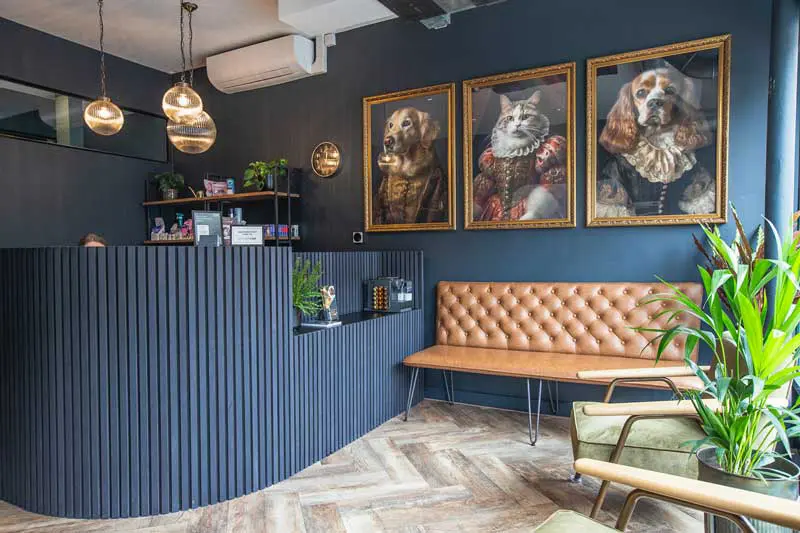
Creating separate spaces for cats and dogs may be easier than you think; it doesn’t always require major structural work. Low partitions and acoustic screens can provide the segmentation you need, while existing building features, such as alcoves or room recesses, can naturally offer quieter feline zones.
The Practice Standards Scheme and accreditations such as ISFM and Dogs Trust provide structured criteria that encourage best practice. Voluntary accreditation strengthens protocols and reassures clients of your high standards. Plan to meet these criteria early to avoid costly changes later.
Consider what makes your practice stand out locally. Are you planning to offer additional services such as dental imaging or laparoscopic surgery? Factoring these into your design early ensures the layout can accommodate future growth without costly changes later.
Fit-for-purpose storage can transform everyday workflows.
Bespoke veterinary solutions maximise space, while under-worktop and wall-mounted shelving keep essential equipment within reach and work surfaces clear. This makes cleaning easier and frees up valuable floor space.
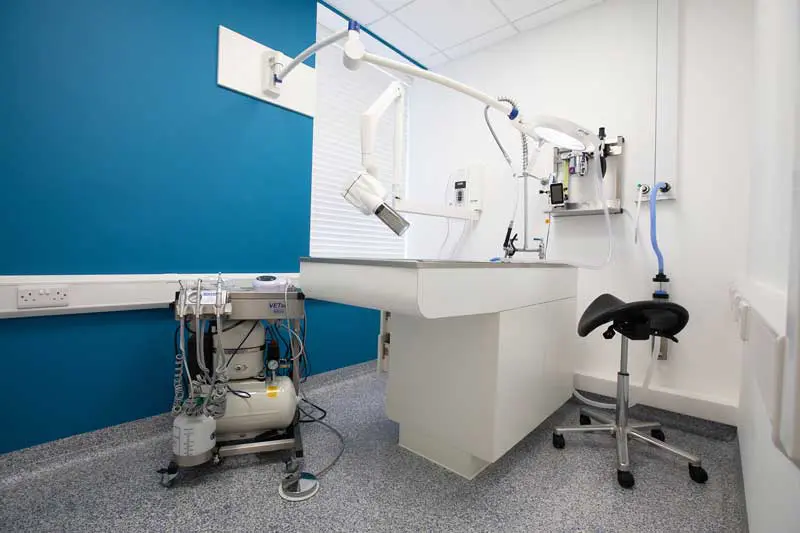
These systems are best planned early in the design stage, when outlet placements and cylinder storage locations are being decided. Piped gas and oxygen concentrators can deliver significant long-term cost savings while improving staff safety by reducing the need to lift or move heavy cylinders. They also benefit the environment by cutting the number of third-party deliveries.
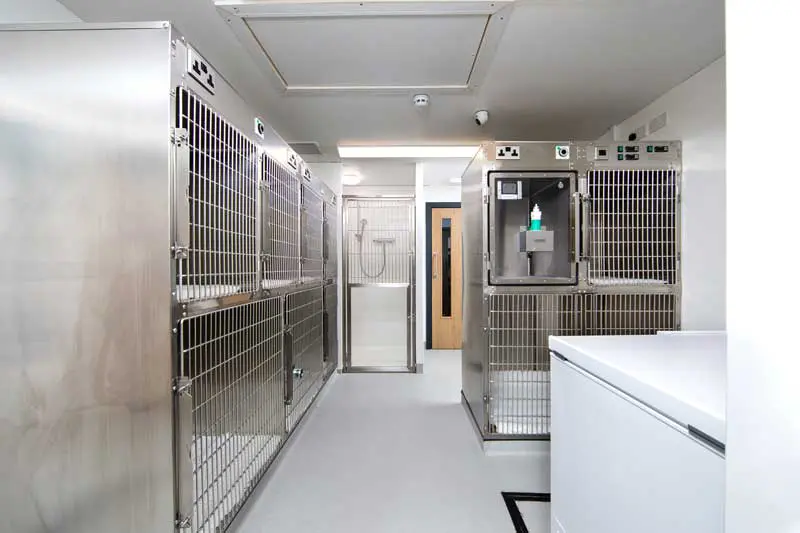
Does your central hub, your heart of the practice (the prep area for most), allow you to access all follow-on areas? Can you easily access your theatre and recovery wards from here? This may seem over the top. It’s only a few steps away, right? But think about the comfort of your patient moving from theatre to recovery, the noises that they may be subjected to, and what your clients might have to pass while walking into a consultation.
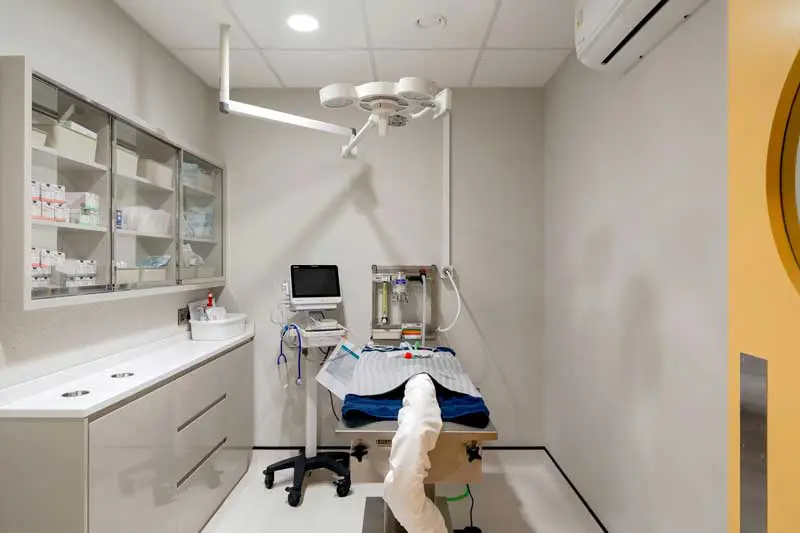
Your prep room may work for now, when you only require one table, but what about when your caseload starts to grow? Does that room easily allow for a second or third table? Is there enough room for all patients to be close to a piped gas outlet if necessary? How many dogs may you need to house in the recovery ward at any one time?
Where possible, separating front-of-house areas from clinical spaces offers the greatest comfort for clients, patients and staff. In an ideal layout, clients move only through reception and consult rooms, without passing recovering patients.
Patients, meanwhile, should move easily from prep to theatre to recovery, through wide, step-free doorways that accommodate mobile tables. Clear separation of clean and dirty areas, with defined routes for items needing sterilisation, supports robust infection control. Frequently used, but bulky, equipment is best positioned in recesses or discreet zones to avoid trip hazards over items such as scales.
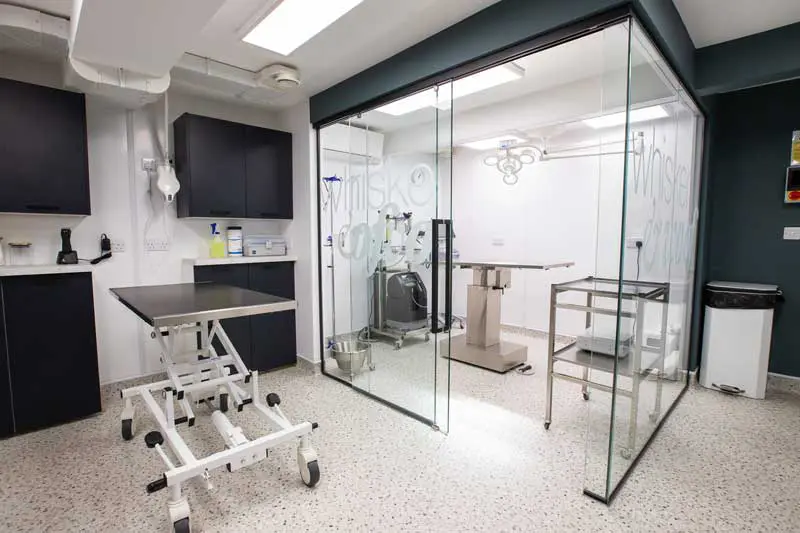
While separation is essential for workflow and hygiene, it doesn’t have to come at the expense of transparency. Many modern practices now incorporate glass walls or viewing panels, giving clients a reassuring glimpse behind the scenes while maintaining sterile clinical zones.
Smaller areas often get overlooked on initial plans, but having a dedicated space for these from the start enables you to fit them into the most suitable locations – isolation, laundry, admin office and pharmacy are prime examples. Adding rooms after the work has started can be costly and disruptive.
Establishing a radiation controlled area requires meeting strict safety and structural standards. The room must be designed to minimise radiation exposure, so it’s essential to plan its location and construction from the very start. Seek advice from a radiation protection advisor and work with a supplier who can work alongside them to spot any layout issues early in the process.
Thoughtful attention to all these details early in planning ensures your practice layout works for your team, patients and clients, not just today, but as your services and caseload grow.
Equipment planning works best when integrated with the layout. Wall or ceiling-mounted options save space, while mobile equipment offers flexibility. Consider the durability and longevity of your purchases and invest in equipment that is built to last, opting for materials and designs that can withstand the daily challenges of a busy practice. Quality equipment may have a higher initial cost, but it pays off by reducing frequent replacements.
Consider ongoing maintenance when choosing equipment; it should be easy to clean, durable and designed to minimise downtime, especially for items used daily. Use a supplier that offers a comprehensive service and repair support. Choosing one that provides a free, design-led planning service also ensures room functions, utilities, and equipment layouts are developed together from the start, rather than retrofitted later.
Finally, always confirm compliance with UK regulations and keep certificates on file.
Matt Burton, managing director of Burtons Veterinary Equipment, says: “Not all equipment is compliant with the standards required for sale under UK regulations. Quality assurance from your supplier is what ensures everything you buy meets safety requirements. Dental hand-pieces are a good example – source them from credible suppliers who can demonstrate that the appropriate standards for sale are met.”
Everything starts with your budget, but it’s often less daunting to think in phases rather than all-or-nothing terms. Phase one covers what you need to open and treat your expected caseload safely.
Advanced imaging areas or an in-house laboratory can be added later as a secondary phase. But consider leaving a planned-out space for these on the initial plans; this is much more cost-effective than starting extra building work down the line. Treat each room as a long-term investment that balances essential function and growth potential.
Seek an initial, no-obligation quote to clarify essential equipment and budget expectations. Consider the total cost of ownership, not just purchase price.
“There may be an appeal in buying cheaper,” adds Matt Burton. “For example, an autoclave sourced from a low-cost online marketplace might look like a bargain at £800, but without proper installation, validation, documentation and local repair support, the true cost – in downtime, risk and replacement – can be far higher. Pay attention to local support and repairability as well as the sticker price.”
Second-hand equipment can sometimes save money and still serve your practice well, but it’s important to consider funding implications.
David Burton, chairman of Burtons Veterinary Equipment, says: “Finance companies are reluctant to fund older equipment, especially electronic devices with digital technology that may have no resale value or support. For example, funding a 20-year-old MRI is difficult because lenders doubt they can recover their money. Newer equipment is far more likely to receive funding support.”
Building or refitting your practice is an exciting journey, and you don’t have to do it alone. Whether you already have a clear vision or need help developing ideas, equipment experts and practice designers are here to guide you. Gather inspiration wherever you can, explore 3D practice tours, browse social media, or share what you’d like to achieve.
Burtons Veterinary Equipment offers a free library of resources, including practice videos, design inspiration and real-life project stories to help you plan with confidence. If you’d like extra guidance or just want to talk through your options, your local equipment expert will be happy to help.
Joel Huey is content editor at Burtons Veterinary Equipment, Joel has worked for the company for almost 10 years, supporting its equipment and service experts through creation of content that helps practices make purchase decisions through clear, reliable information about the Burtons full range of equipment and services.