
28 Apr 2026
Addressing workforce issues should remain top of the agenda amid CMA and VSA reform, said Bethan Gray.

Chris Simpson
Job Title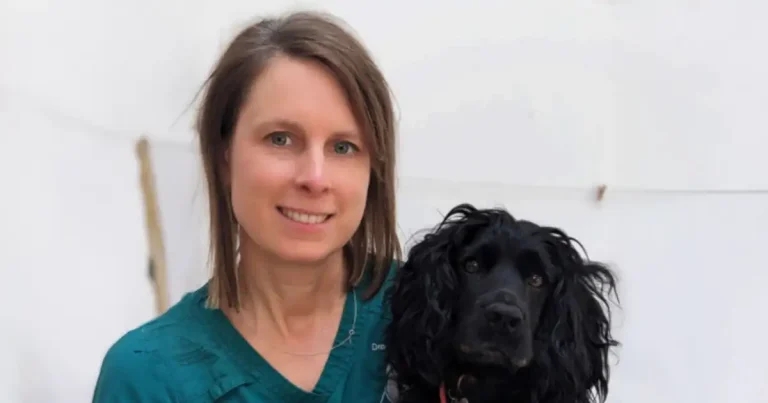
Vet Bethan Gray presented a session on retention at VMG Congress 2026.
The veterinary profession is on the cusp of a “pivotal moment” to improve retention, VMG Congress delegates were told.
In the session “Sustainable veterinary retention”, vet Bethan Gray warned of a “retention crisis” in the profession with vets leaving due to chronic stress, poor work-life balance and long hours, insufficient pay and feeling undervalued.
Speaking at VMG Congress, held at the Crowne Plaza Hotel in Stratford-upon-Avon from 22 to 24 April, she said: “We’ve got talented, compassionate vets that are leaving and those that stay are becoming increasingly disengaged… Poor retention affects culture, team satisfaction and client experience.”
Dr Gray said that a vet’s departure can cost a practice between £20,000 and £40,000 on average when factoring in locum and recruitment costs and potentially lost clients.
She urged practices to “never burn any bridges” when a vet leaves, to either open the door for a return or so they might recommend friends in the profession.
She also offered a range of suggestions for practices to implement to improve workplace satisfaction.
Dr Gray recommended conducting regular stay interviews during routine appraisals to get feedback from staff and “really being proactive, rather than that reactive approach that’s sometimes taken in exit interviews when we’re so far down the path that we don’t get necessarily useful feedback”.
The vet said practices should “promote rest, boundaries and sustainable working hours”, adding: “We need to be forward-thinking as a profession, be bolder, ditch the one size fits all and embrace flexible working even more than we are already.”
She said her practice had implemented a “twilight” shift dealing with late appointments and emergencies to ensure other staff could go home on time.
Dr Gray continued: “Normalise open communication about workloads, stresses, job satisfaction, expectations that don’t match reality in a no-fear or judgment blame culture.
“We need to make sure that we have a supportive workplace where we’re heard, feel empowered, and we really understand everyone’s individual needs and what they need to feel valued so they can grow and generally enjoy going to work.”
She concluded: “Vet retention is the sum of many small, consistent choices.”
Amid the implementation of Competition and Markets Authority remedies, impending reform of the Veterinary Surgeons Act and the advent of AI, Dr Gray called on practices to continue addressing workforce issues.
She said: “During all of these changes that are occurring and going to continue to occur, we must prioritise improving vet retention.
“We’ve got to make sure that stays at the top of the agenda… This is a great, pivotal moment for change.”