9 Dec 2025
Practice Profile: Summerleaze Equine Vets
Sometimes it is a case of ‘slow and steady wins the race’. The Summerleaze Equine Vets story is one where the right decisions at the right time with the right people has created the perfect mix for a happy and prosperous independent practice, as VBJ found out when we visited the West Country site…

VBJ
Job Title
Image: Summerleaze Vets
Staff: full-time vets 7 | registered veterinary nurses 3 | practice administrator 5
Fees: initial consult £52.50 | follow-up £39.29
Some practices burst on to the scene, all bells and whistles, while others evolve carefully over time.
Summerleaze Equine Vets has followed the latter process. A considered and measured approach, growing steadily over the years into a successful, in-demand equine business.
Starting life as part of Coombefield Veterinary Hospital, situated in rural east Devon, the equine side was a smaller part of the mixed practice which developed and relocated to an extra site for the farm and equine department just a few miles away.
In 2017, a year after Stuart Altoft joined as a junior partner, the small animal part of the business was sold to corporate IVC Evidensia; primarily due to not being able to find an incoming vet interested in a partnership role.
Stuart explained: “I felt like I had only just made it into the partnership and leaving that for a role within a corporate wasn’t really what I wanted to do. I was lucky in that the senior partners would see what I wanted to do and were really supportive. The parts of the practice were already at separate sites with mostly separate teams, so it was quite easy just to split that part off. So, the main bulk of the practice went to IVC – the small animal side – and I was able to effectively use the money from the sale to buy the equine side.”
Stuart, along with another vet initially, moved the equine and farm business to the second site fully, and were able to take the team with them.
The site, rented from Summerleaze Farm, took that name and bought the kit and equipment, meaning the practice owned everything inside the building.
Stuart recalled: “We already referred to the site as Summerleaze, so when we were separating it off it was a really obvious name. By that stage they’d already completed a refurbishment in 2015, so we already had the stables and the stocks and the equipment.”
A new beginning
Hailing from Lincolnshire originally, Stuart came from a mixed animal background, but his keen interest in horses drove him to pursue an advanced practitioner certificate in equine dentistry. When he and his wife, also a vet, decided to look for new positions to further their careers, it was chance that brought them to the West Country, and Stuart to Western Counties Equine Hospital in Somerset via a friend and colleague. From there, he went to Coombefield on a referral job and was then offered a position with the view to buy in.
“The agreement was I come for a year, make sure it all worked and then, buy in,” he explained. “And then, I was going to say, ‘sadly’, but actually, the split worked out really well for us. It wasn’t the plan, but the end result has been really good.”
A few years ago, the farm side moved to Synergy Farm Health, meaning the business is now solely equine. Stuart asked practice manager Alison Daubney, a former RVN, to become a director, and then later, vet Antonia Milner, so the three of them work together in developing the strategy of the business and making the decisions.
“Alison is able to bring a non-vet opinion to things, which is really useful. Maybe I should say, slightly more sensible opinions sometimes,” he admitted.
Antonia originally came in as a fresh-faced new grad. She had her graduation ceremony on the Thursday and started work on the Monday. But she says it was exactly the right job and the right ethos for what she wanted in life with the emphasis on work-life balance.
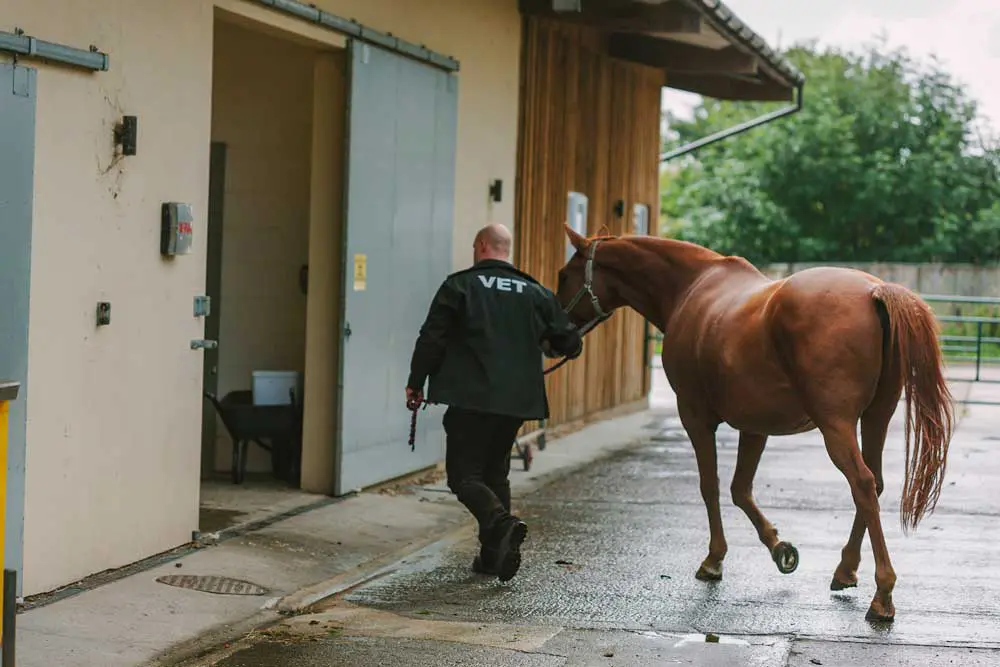
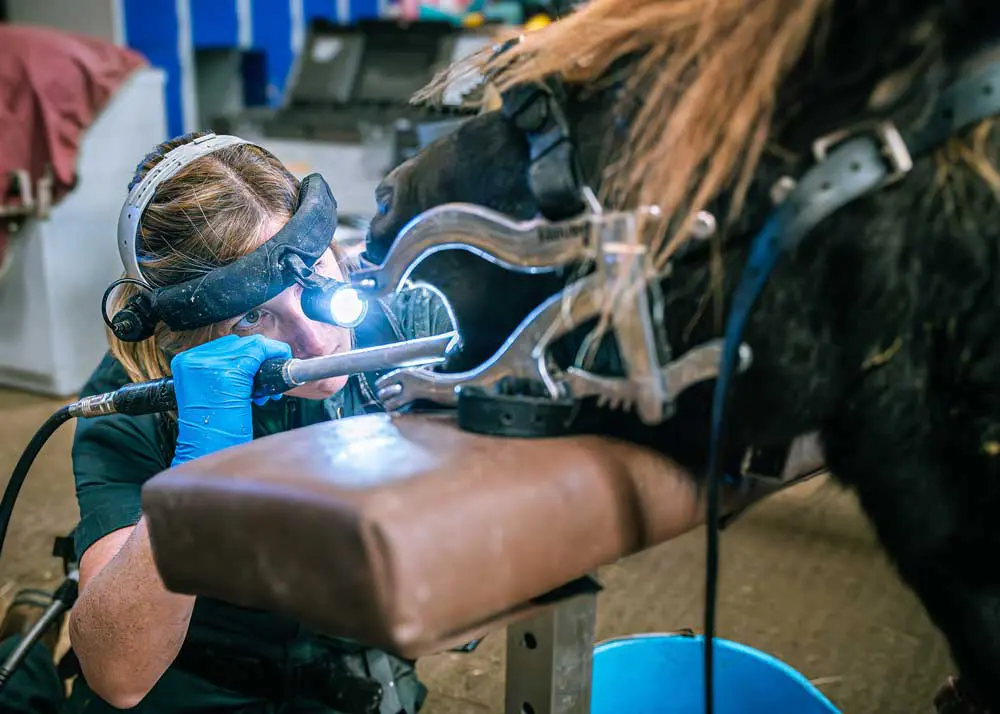
With Stuart’s dental work, Summerleaze takes regular referrals from other local practices and equine dental technicians and the purpose-built practice is well set up for these procedures.

Independent benefits
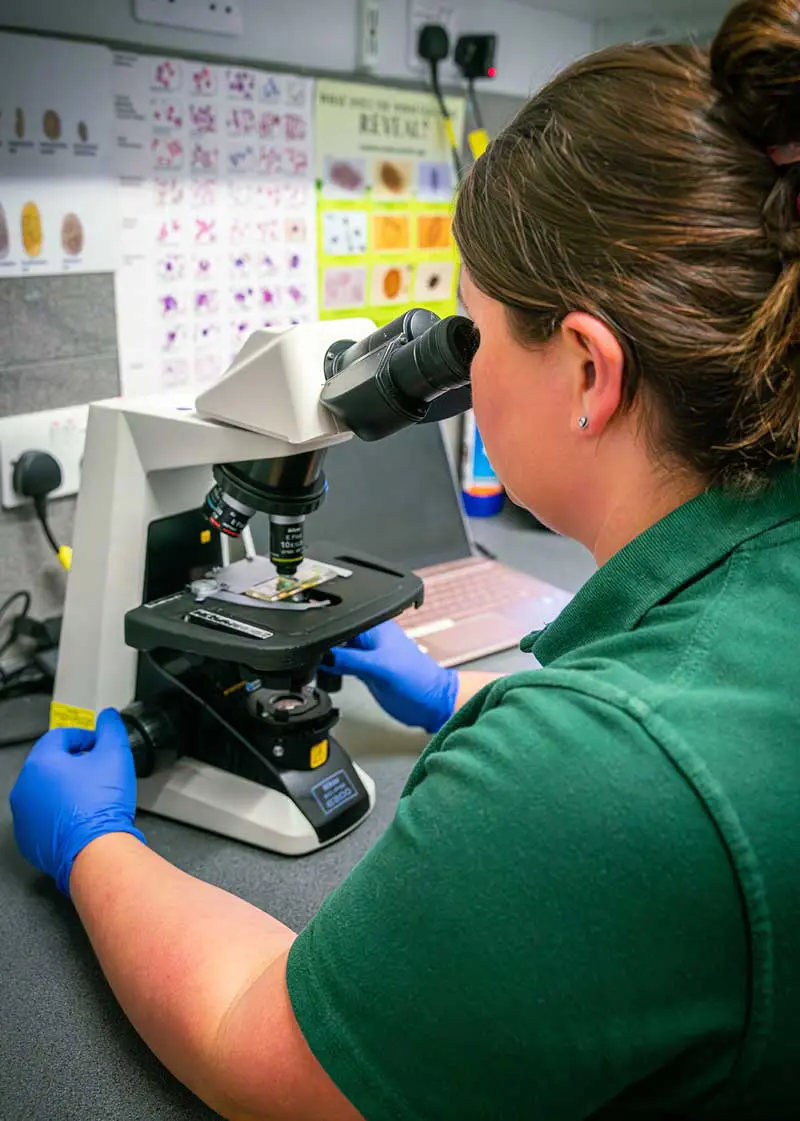
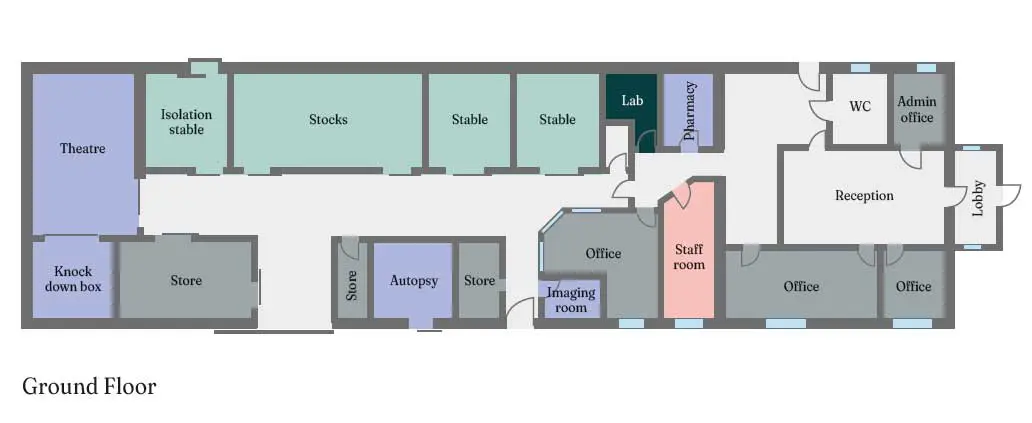
The previous expansion had created three large stables, two treatment rooms – one housing the stocks and the other doubling up as a theatre when required. The practice also has a lunge pen, trot-up space, knock-down box, its own in-house lab, and some extra office space was added.
The equine scales weigh up to 1,000kg, taking any guess work out of knowing a horse’s weight – a service the business offers for free to its clients – and the padded anaesthetic induction box allows safe general anaesthesia of equine patients. The horse is then moved on to the surgical table by electronic hoist, providing a safe and sterile environment for surgical procedures.
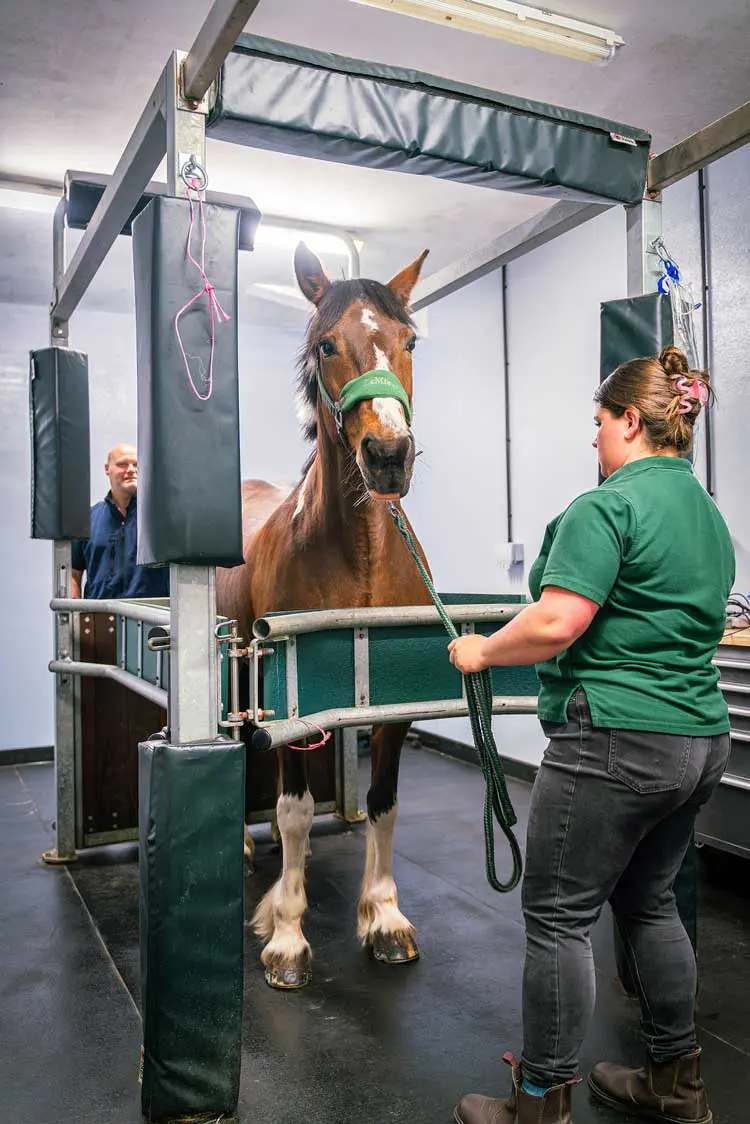
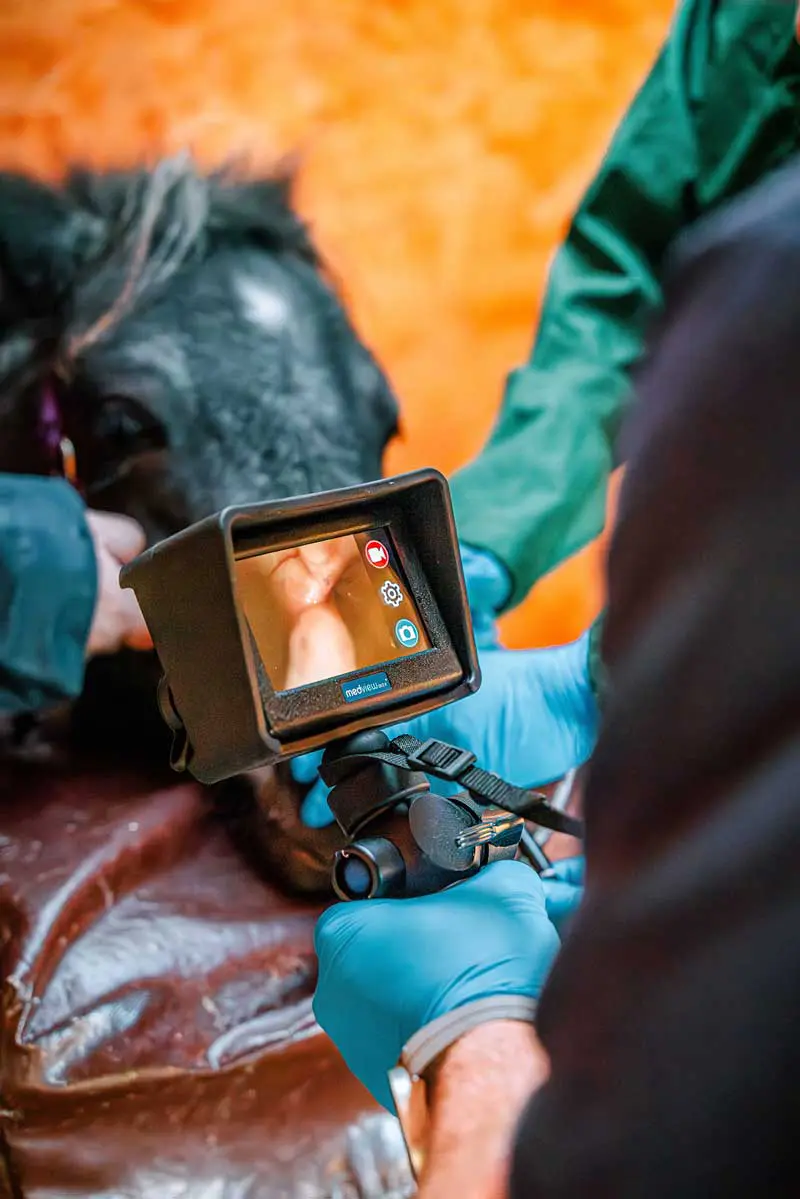
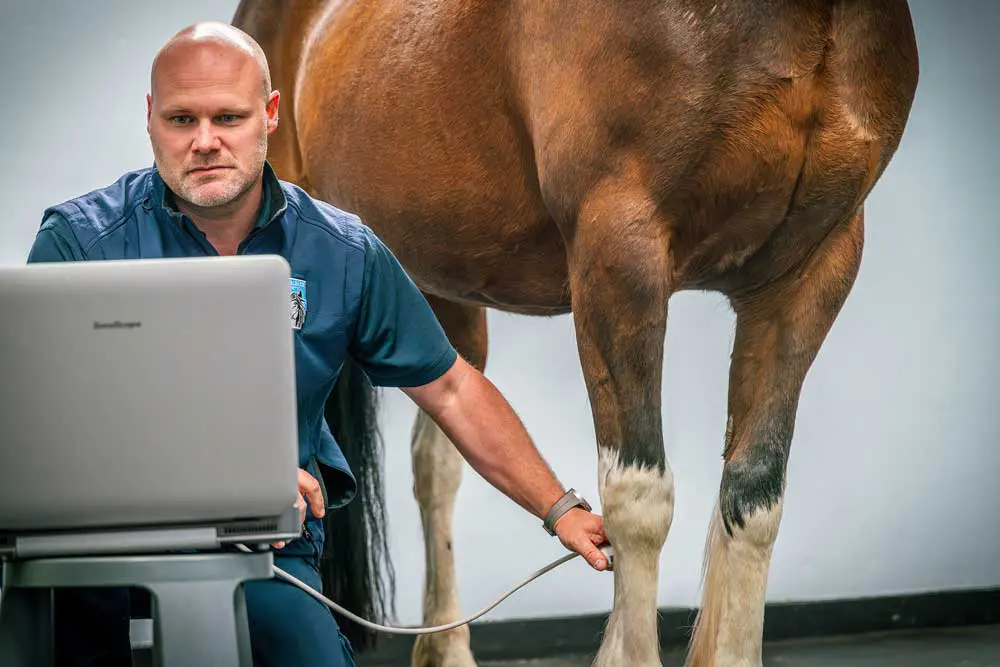
The two rubber-floored treatment rooms provide a perfect environment for taking x-rays, administering treatments or performing nerve or joint blocks and the stocks are used to confine or support a horse during standing sedation procedures, including advanced dentistry, endoscopy, gastroscopy and dorsal spinous process surgery.
The practice offers “smart worming” – faecal worm egg counts providing up-to-date information about the parasite status of horses and pasture, allowing targeted worming advice to be given. Other services include the usual vaccinations, pre-purchase examinations and lameness investigations, as well as dentistry, fertility and artificial insemination, gastroscopy, regenerative medicine and elective surgery.
A surgical therapy laser is the latest piece of equipment to be purchased by the business, which is proudly independent.
“The best part of being independent is probably the flexibility and the ability to make our own decisions without having to send them elsewhere,” Stuart said. “It also makes it very easy for us to use whichever referral services we want. We’re not under any pressure to keep things in-house, it is only our own pressure. And our ethos has always been to do what we can well, because it’s enjoyable to do those more challenging things, it is part of the reason that we’re in the job. But if we can’t offer as good an outcome as sending them to a specialist, then we shouldn’t be doing it.”
Practice made perfect
The business is also able to take work experience students and schoolchildren, as Stuart believes they need that opportunity early on.
Stuart added: “The biggest challenge as an independent is probably buying power. That we don’t have. We’re part of a buying group, but even then we’re sort of beholden to them. I would imagine the corporate practices have a lot more buying and more negotiating power, especially for things like equipment. But then we don’t have the budget constraints either, we can decide for ourselves.”
Summerleaze covers half of its out-of-hours service by using an external company, which was brought in a couple of years ago to cover when a couple of vets moved on, but the decision was made to continue this to help staff well-being and that all-important work-life balance.
“Half the time we use Equicall, which although it is owned by a corporate, we actually have the same two vets and it has been fantastic. They cover every other week and it’s also been a really big thing for recruitment. Being able to say to someone you only do five weekends a year, that’s a big draw.”
Although Stuart acknowledges it does eat into the finances, he thinks it is worth it for the team’s happiness and ability to practise well – things that are high on the agenda for this workplace.
“There’s always going to be things that aren’t perfect, but I don’t take it personally. If there’s a problem, then we sort it. The aim is for everyone to be happy, that’s the intention.”
Antonia described the team as “a genuinely supported network”, adding: “If any of us are having difficulties at all, actually, we do bring it to work because we have the support and a safe space.”
Stuart admitted: “I’m not very good at that bit, so I heavily lean on others so that people do feel listened to. It’s not my skill set. One of the first things that any new member of staff gets told is that I’m not very good at picking up on hints, you need to tell me directly.”

Close-knit team
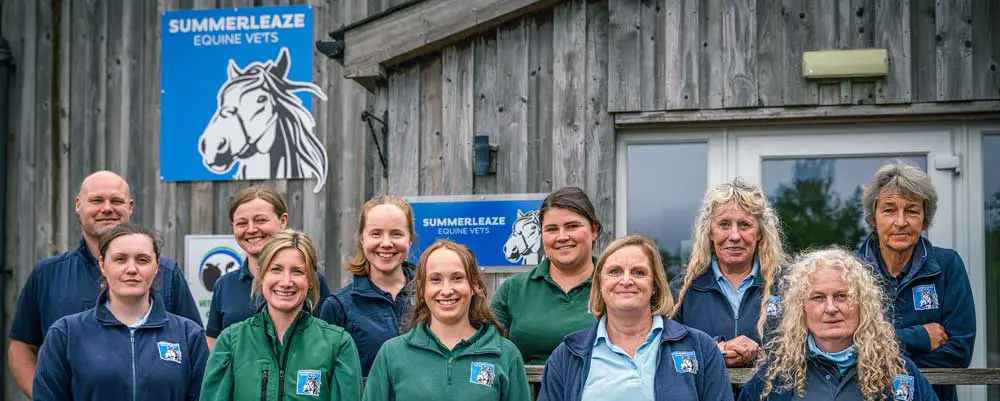
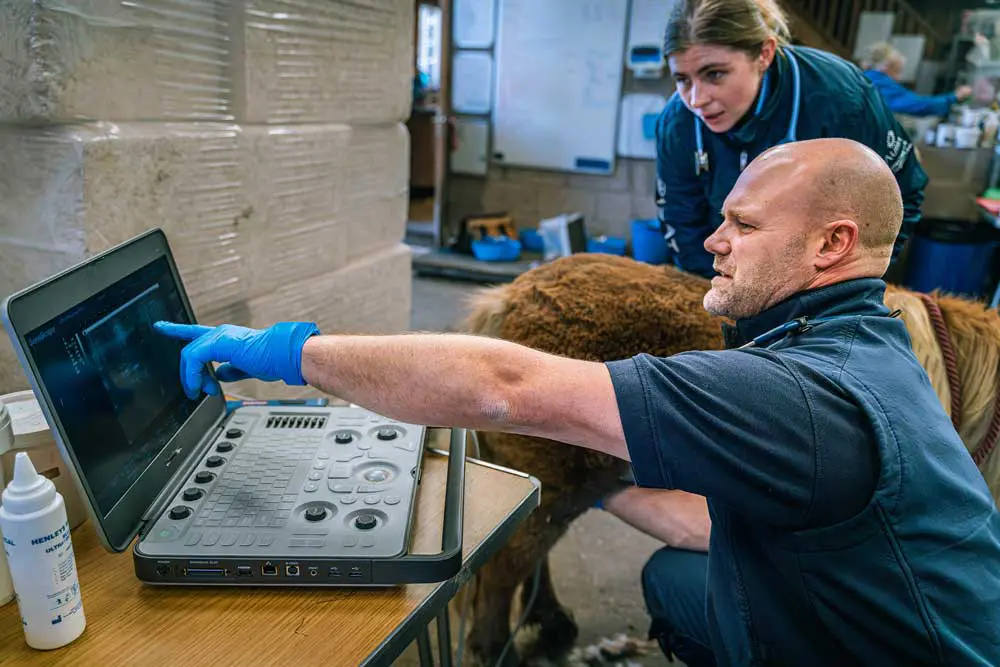
The tight-knit team socialises together with regular weekends away, which has helped build solidarity.
The team members also support each other clinically, talking through issues and changing the way things are done if needed with their “no blame culture”.
Stuart added: “One thing we are passionate about is empowering everyone within the team to have a say and input into how the practice is run. We spent some time consulting staff and have developed practice values to work within – they are communication, compassion and teamwork. It gives us a framework to work in and if we’re not holding up to those ideals, the staff know they can pull us up on it.”
The three nurses at Summerleaze are testimony to the open attitude within the business, something highlighted following their return from a conference several years ago where they learned they could be doing much more as VNs.
Stuart explained: “They came back buzzing, telling me there are all these other things they can do, including sedation, which is incredibly useful. It’s always been my thought process – we’ve got these qualified nurses and they’re holding horses, it seems like such a waste of their talents.”
The forward-thinking approach and openness to empower the team has shone through recently with VN Emelie Real training to be an equine dental technician.
Stuart added: “I guess the only credit we can take is listening. We want them [nurses] to be happy and fulfilled. And, completely selfishly, to stay. If somebody’s moving on, you don’t want it to be because they’re miserable.”
Future plans
The success of Summerleaze, aside from the right people with the right attitude, is the ultimate goal to find the most appropriate treatment for the client and the patient and Stuart is a firm believer in “one size doesn’t fit all”.
As a continuation of the Summerleaze story so far, Stuart doesn’t have elaborate ongoing plans, the aim is to continue its steady growth and to secure the future.
“The aim over the next few years is going to be to slightly expand ownership, so that we secure the ongoing independence of the practice and succession planning secures long-term future.
“The right people – that’s something I find really important. And trying to keep that team as stable and happy as possible. You can’t please everybody all the time, but you can do your best.”
- This article appeared in VBJ (December 2025), Issue 273, Pages 16-19