
15 Sept 2025
Awareness is growing of the role the business sector must play if the world is to become a more fair, environmentally sound and nature-rich place to live. Legislation, investor interest and consumer awareness are driving change – and businesses of all types must demonstrate that they are changing, too…

Camilla Sherwin and Antony Gough
Job Title
Image: Caramel / iStock
In the turbulent economic times such as those experienced over the past few years, it has not been easy to meet fast growing expectations, and this is no less true than in the UK veterinary sector, which has been going through a period of significant change.
The structure of the sector has evolved significantly; as many readers will be aware, 60% of UK practices are now owned by a large corporate group, leading to a changing emphasis in how they are run. The adaptation to that all takes time to embed.
Additionally, the COVID-19 pandemic brought about an explosion in pet ownership that has not been matched by increases in the number of veterinary surgeons and nurses.
This is leading to personnel turmoil; surveys of veterinary professionals have revealed that more than a third have been in their current role for less than a year, and numbers leaving or considering leaving the profession continue to climb, with poor work-life balance, stress and not feeling valued the most commonly cited reasons.
Furthermore, the impact of the changing climate is becoming increasingly obvious; global average temperatures continue to rise, bringing with them a growing number of extreme weather events – experienced here in the UK as rain-free periods, storms and floods that disrupt working patterns and supply chains, but can, in other parts of the world, translate into extended droughts, which can lead to wildfires, crop failures and animal death or, at the other extreme, hurricanes, typhoons, and cyclones or similar.
A warming climate, in our increasingly globalised world, brings other challenges such as the growth of risks from the spread of zoonotic diseases, invasive species as well as the disruption of normal natural patterns and seasonal cycles.
These impacts are felt most keenly in the farming community that the veterinary sector serves, which is under ever-growing pressure to produce cheaper food, while coping with the impacts of a changing climate, adopting more environmental sustainable practices, rising input prices and increased antibiotic and anti-microbial resistance, which poses a risk to both animal and human health.
To respond to these interlinked challenges, the veterinary sector, along with its counterparts in human health, is increasingly moving towards one health, the concept that recognises that the health of people, animals, and the environment are interconnected. It emphasises the need for collaboration and communication among professionals in human, animal and environmental health to address health challenges in a holistic way.
However, while the desire and willingness to act is becoming more widespread, particularly in the veterinary sector, many organisations are still unsure where to start, what to do and how to ensure their actions have impact. Well-intentioned efforts that are not part of a coherent plan can lead to a scatter gun approach; the practice recycling system is upgraded, the light bulbs are changed, a staff well-being programme is created and responsible treatment practices are adopted – but this does not bring measurable results and progress is difficult to track.
On the other hand, while it may be tempting to shoot for the sustainability stars by setting an over-ambitious net zero carbon target or going for a high-profile award, this cannot be done overnight.
Adopting the “responsible business” approach can take time. As with most initiatives that involve change, breaking the wider objectives down into smaller elements makes getting started much easier, and finding areas where two or more “good” outcomes are achieved through one action or that are going to be easy to implement will make taking the first few steps easier.
The following suggestions will set any veterinary practice on its way to getting the balance right between improving environmental performance as well as looking after both animal, human and wider community health. Addressing these key action points will also help practices meet the “greener” elements of the practice standards scheme and are the bedrock of any environmental management system:
An increasing array of sustainability focused support and guidance is available to the veterinary sector, both from professional bodies and organisations like Vet Sustain who offer an array of support, in particular with respect to sector specific learning and development such as tailored Carbon Literacy training.
For those wanting a structured approach and to bring all the action under one metaphorical sustainability roof, an accreditation programme provides an excellent framework that can be used to make measured progress, develop internal capability and is twinned with the chance to gain a well-respected third party evaluation of performance.
Investors in the Environment (iiE) is a UK-based environmental accreditation scheme and has more than 15 years of experience helping businesses of all sizes and sectors to improve their environmental performance and gain recognition for their achievements. The programme is currently working with approaching 175 veterinary practices across the UK, and participating practices range from the smallest independent practices to larger corporate operations as well as animal hospitals. Also, iiE is working with a growing number of organisations supplying the veterinary sector, including several animal food and health product manufacturers.
The programme has engaged most of the sector’s leading professional bodies, several of whom are also active participants and working towards their own accreditation, as iiE has established itself as the recognised environmental performance accreditation for the UK veterinary sector.
Member organisations ultimately work towards one of three accreditation levels, bronze, silver and green. This ensures a suitable level for every company wishing to improve environmental performance – from those taking the first steps through to those operating a truly sustainable business.
The iiE approach to environmental management ensures organisations can reduce their impact on the environment in a realistic way that works for them. Each member receives tailored, continued support and expert advice and has access to a variety of templates, toolkits and step-by-step guides to help them navigate their sustainability journey.
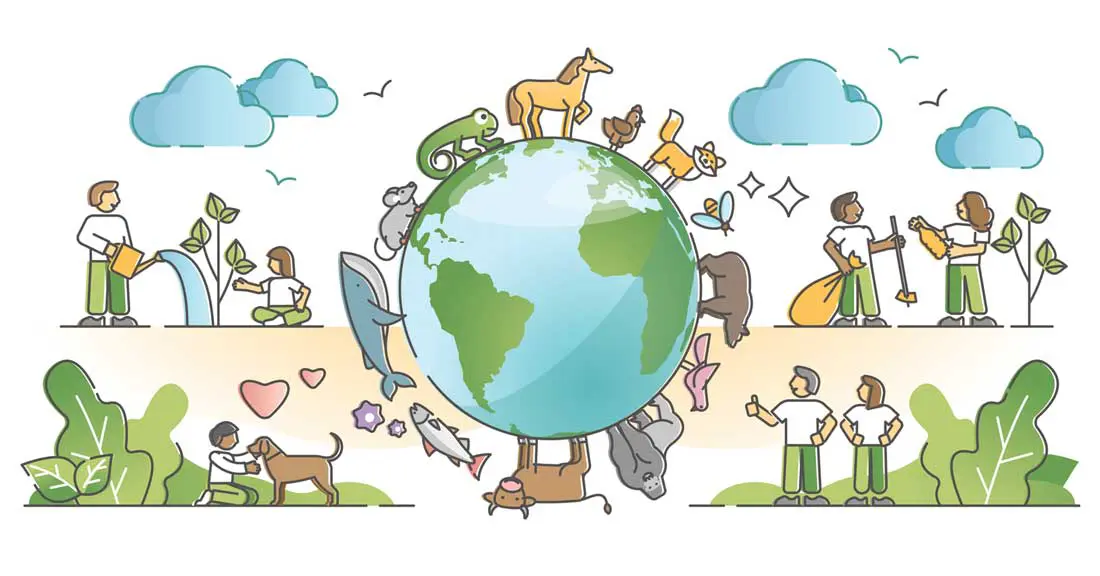
Members of iiE from the veterinary sector continue to deliver a range of significant environmental improvements while facing several key challenges, such as the importance of maintaining exceptionally high hygiene levels while trying to realise opportunities to reduce resource use and eliminate waste.
Practices are addressing key topics such as the use of anaesthetic gases, a key sector contributor to carbon emissions, and the use of consumables such as paper and single use plastics.
The following case study highlights just some of the work of Paragon Veterinary Group, one of several practices leading the way in terms of sustainability and environmental management.
Paragon Veterinary Group is an independent, multi-discipline veterinary business based in Cumbria.
It employs 64 FTE staff. Paragon Vets has comprehensively embedded sustainability into how it works and has made significant progress in reducing its environmental impact across a range of areas in the past five years. Of particular note is its management of a three hectare native broadleaf woodland. Having sought advice from local experts from the Forestry Commission, Natural England and Defra, wildflower meadows, hedgerows and a bog have been introduced with the aim of enhancing the local area, providing biodiversity habitats, reducing soil disturbance, improving water quality and capturing and sequestering carbon. The woodland also provides a pleasant green space for Paragon vet staff and local residents to enjoy.
Around both of its veterinary centres, the Paragon team has also created well-being gardens. Paragon was recognised at the 2023 iiE Awards, where the group was named the programme’s Natural Environment Champion and again when it won the Green Practice Award at the 2024 Veterinary Green Awards.
Camilla Sherwin is a senior sustainability consultant and partnerships manager and Antony Gough is principal sustainability consultant and national lead for the national environmental accreditation programme Investors in the Environment (iiE). To find out more, visit the iiE website www.iie.uk.com or email [email protected]