
22 Dec 2025
BEVA president Imogen Burrows said guidance “should make all the difference for vets” when an owner or keeper cannot be identified.

Allister Webb
Job Title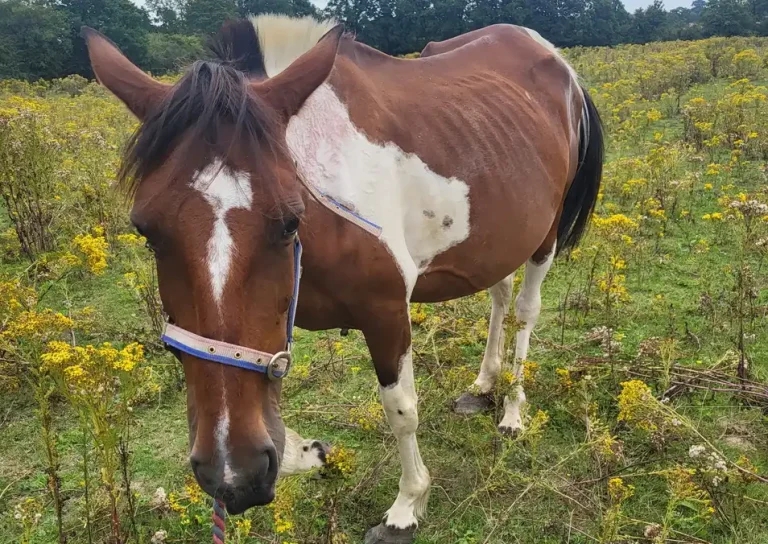
Jean was rescued by World Horse Welfare after being found in an emaciated state.
BEVA has published guidance to help vets treat horses and other equids of unknown ownership.
The collection of resources, which can be found at BEVA’s website, was compiled in collaboration with key stakeholders including the RSPCA, World Horse Welfare, SSPCA, the National Equine Crime Group, and national police and local authority representatives.
It contains a decision tree to enable veterinary professionals to quickly check correct procedures, an overview of stakeholder roles and responsibilities, a ‘what if’ troubleshooting section and an essential contacts registry.
The library also includes examination and treatment worksheets and a euthanasia certification so vets can ensure all paperwork is completed correctly.
BEVA president Imogen Burrows said: “It can be an intimidating process when visiting an equid without an owner, but our new resources aim to address the potential stress factor and make the rules around the provision of care very clearcut.
“We have produced all the documents the attending vet should need, no matter their location or circumstances.
“Most importantly, if they are attending alone, they will know how to access the right help at the right time, secure in the knowledge that they are following appropriate, validated procedures.”
She added: “We have put significant thought and effort into producing these new resources, especially from an ambulatory veterinary perspective.
“It should make all the difference for vets, knowing that they have the all the information they need, to hand, In the unlikely event of a callout to an equid of unknown ownership.”