
1 Oct 2026
Leading vets urge horse racing to urgently reduce equine fatalities, as growing public backlash threatens the sport’s social licence.

Allister Webb
Job Title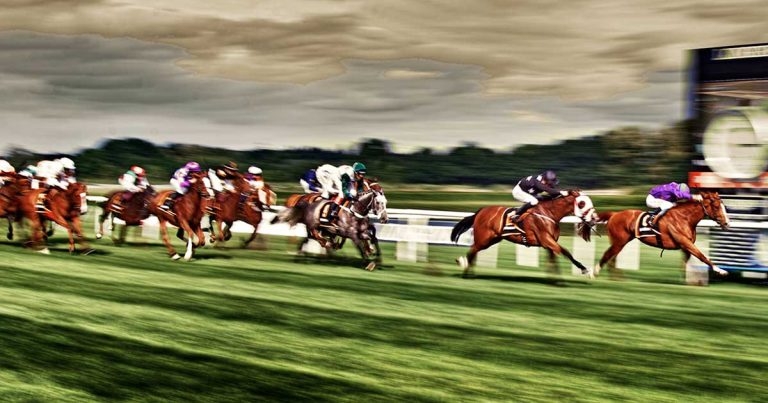
Image: © nupho / Adobe Stock
A leading racing vet has urged the sport to “do better” in reducing fatalities and injuries, arguing that its very future could depend on it.
BEVA Congress delegates were told progress is being made in the area during a broader discussion on the prevention of injuries in equine athletes.
But Chris Riggs, who heads the Hong Kong Jockey Club’s (HKJC) Equine Welfare Research Foundation, argued currently known levels represented “bad welfare” which is the source of growing public concern.
Prof Riggs said: “We all know that, not unreasonably, society is increasingly unhappy about this.
“We should [do something about it] and if we don’t, then we probably shouldn’t carry on doing it.
“Let’s respond and try to do it better. For me, that’s a real passion and a drive: how can we carry on this sport without having so much damage.”
Later, during a question-and-answer session, Prof Riggs acknowledged academic research needed to be “more engaged” with the sport to maximise its impact.
But while he acknowledged the challenges of applying research findings to real world settings, he added that “if you can’t do the right thing, don’t bloody do it, is increasingly what I feel about lots of things in welfare”.
His comments were subsequently given even greater emphasis by a row over travel website Tripadvisor’s move to block the sale of tickets and experiences linked to the sport.
The platform’s published animal welfare policy states it will neither allow sales for or obtain revenue from events where “domesticated animals are put at heightened risk of injury or death for the sake of sport or entertainment”.
It said that includes experiences involving “most dog, horse and camel racing”.
Although the move has been criticised by senior racing figures, others have argued that it represents the evolving nature of public tolerance.
During the BEVA session, RCVS specialist Jonathan McLellan highlighted the scale of negative public comments to on-track fatalities, as he argued their collective voice was crucial to its future and those of other disciplines.
Dr McLellan said: “They give us the social licence. Where racing goes, the rest becomes low-hanging fruit.”
But he insisted the sector was “definitely getting closer” to a net zero injury rate, highlighting a reduction of more than 45 per cent in casualties on American tracks since 2009.
University of Bristol vet school head Tim Parkin also described his growing confidence in risk modelling techniques, which he believes are now robust enough to be used “in earnest”.
He stressed the techniques were not intended to prevent horses from racing, but ensuring those at greater risk were assessed more closely.
He added: “We have to stick at this and we have to keep going, but there will be incremental improvements across the piece.”