
10 Nov 2026
Matthew Rendle RVN covers important considerations around wild animals that require care in the practice.

Matthew Rendle
Job Title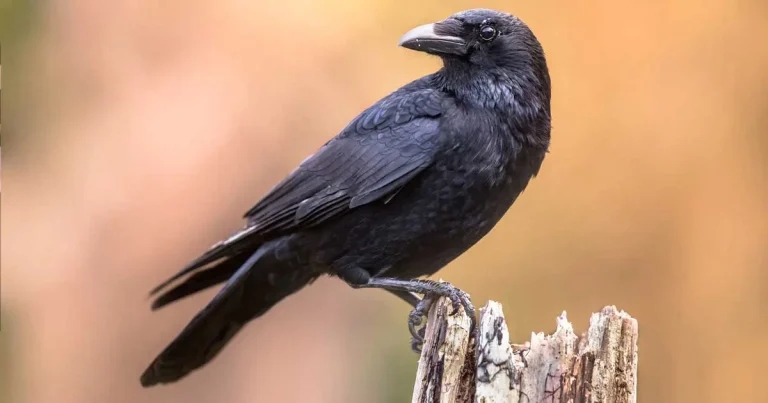
Image: creativenature.nl / Adobe Stock
Why this title? Wildlife veterinary care in practices and wildlife centres requires everyone involved to understand what good looks like and the importance of great communication and attention to detail. For example, the person answering the phone call needs to make sure the finder understands that they have rescued a wild animal, that it likely requires veterinary intervention, and that it’s not appropriate or allowed to leave it in pain and let nature take its course – or, conversely, keeping the wild animal as a pet.
Gathering factual information at the phone stage is very important. How did the member of the public find the animal and what is it doing or not doing? On many occasions, a rescue is not indicated and, if carried out, often the welfare of this wild animal will be compromised in both the short and long term.
At this point, managing the finder’s expectation is important, and this is a balance because if the animal is injured, we want it to be brought to us. But also, we have to try to inform the finder that often the only ethical option is euthanasia. This is a very tricky balance, and unconscious bias will often be a factor, too.
If the wildlife care we provide should always be ethically sound and reflective of the published evidence, we must always reflect on what good looks like. In simple terms, this wild animal must have a good chance of returning to the wild in a state that allows it to live a full life, so reproduce, migrate and feed. Living in the wild is often hard, but how does it compare to a life of captivity? Everyone has an opinion on this and it will be based on so many factors.
In my experience of working with wildlife, if you stay focused on animal welfare, both short and long term, there will be a high percentage of euthanasia. This can be challenging and the whole team needs to understand why a wild animal maybe is treated differently than a domesticated animal. This can get very emotive.
Always seems an odd thing to say, but we must always be honest that we don’t really know what this wild animal is feeling while in our care. I get frustrated when I hear that a wild animal is being handled, and suddenly stops struggling. Often the team comments they have calmed down, but I think they have given up. We can only truly say how we would feel about a situation, so how would I feel about being held firmly in a completely unfamiliar environment, with strange noises and smells, and fighting to try to escape to the point I give up?
I believe strongly that a quick anaesthetic to carry out a physical exam often represents good welfare and in my experience saves time and resources.
Good veterinary care is very much about contextualised care, and with wildlife cases we have more factors to consider, some of which may make us uncomfortable. But they are real and should not be ignored.
For example, resources (including people) need assessment from admission. How long will a wild animal need to be kept in captivity? What negative impact could this have? One that often gets overlooked is who is going to do the long-term work after care and soft release? Do we have a relationship with a good local wildlife centre who will take this wild animal, and does it have space?
We all need to localise our feelings when it comes to wildlife veterinary care. It is okay to be upset and sad because you have prioritised the welfare of this animal and euthanised it, and dealing with unrealistic finders is increasingly difficult. So much misleading information is circulating on the internet, often involving people who have pet wild animals and think they have the right to do that.
We must share our thoughts and feelings about wildlife cases. Morbidity and mortality rounds work well, as do Schwartz rounds if you can get support in setting them up. Without these opportunities to share your feelings, we can become isolated and it will have a negative impact on future similar cases, both in terms of our willingness to get involved to start with and then of making welfare-focused decisions.
Moral injury is the lasting psychological, emotional and spiritual damage caused by doing (or not doing), witnessing, or failing to prevent acts that violate your core moral beliefs. Many emotions are involved, including guilt, shame, anger, disgust and the loss of trust in ourselves and others. Being self-aware of why you are feeling what you are feeling can be very empowering. Often it takes a brave critical friend who we trust to tell us we are showing signs of a moral injury. We must make every effort to allow people to talk about things in terms of moral injury – we won’t always agree on things relating to wildlife cases, but we have to be allowed a voice. Veterinary care assistants and receptionists are all at risk of getting moral injury when dealing with wildlife care, especially when death is often not the worst outcome, when compared to the other options.
It’s important to highlight again that communication is everything, and needs to be kind, constructive, timely and clear.
No one goes to work wanting to do a bad job. We all want the best for the wildlife we care for. Also, it is important to admit your mistakes. I have been wrong and made mistakes plenty of times, and as long as you learn form them and try to prevent them from happening again, we should reflect – but not dwell on them.
Establishing wildlife protocols for the common species can be very helpful. They encourage empowerment and reduce blame, but it is important to get everyone on board with them. Sometimes, it might seem like we are making more work.
For example, in my experience a quick anaesthetic and two x-ray views for all wild birds that come in with a traumatic injury is very helpful. If this is not done, fractures are often missed and that bird is cared for in practice, given a name, and then it is discovered that it can’t fly at all.
Once we commit to a case, it is sometimes harder to then euthanise that wild animal, when the whole team will have feelings for it.
Unfamiliar neonates are often cute, and this can impact on their care, especially if we are not mindful to discuss the likely long-term outcomes with the whole team. Hand rearing a crow is really fun, but also really ethically unsound. If you decide to hand rear a wild animal, we must be prepared to ensure that animal gets the care it needs to have a good life for its whole life. We must always have these discussions at the start.
All veterinary practices need to be prepared to take in the common wildlife species, either to give first aid, fluids, analgesia, warmth or food before passing it on to a more suitable centre without delay. Or they should be prepared to euthanise the wild animal.
Delaying wild animals from getting the basic aforementioned care is incredibly bad welfare in my opinion, and we need to increase education and training in this area.
Matthew Rendle began his VN career in 1989 and has since cared for an extraordinary range of species – from ants to elephants and almost everything in between. His varied roles have also given him the opportunity to travel extensively around the world. An award-winning veterinary nurse, he served the maximum permitted 10-year term as an elected member of the RCVS VN council. He chairs AZEVN, an organisation he helped to establish in 2016 to provide continuing professional development for nurses working with zoo, exotic and wildlife species, serves on the board of ACOVENE, which promotes and supports veterinary nursing education across Europe, lectures throughout the UK and internationally and is a visiting lecturer at Harper Adams University and Ulster University.