
23 Jun 2026
Researchers warned it is “paramount” to educate owners about the condition after thousands of owners’ questionnaires were analysed in a new paper.

Allister Webb
Job Title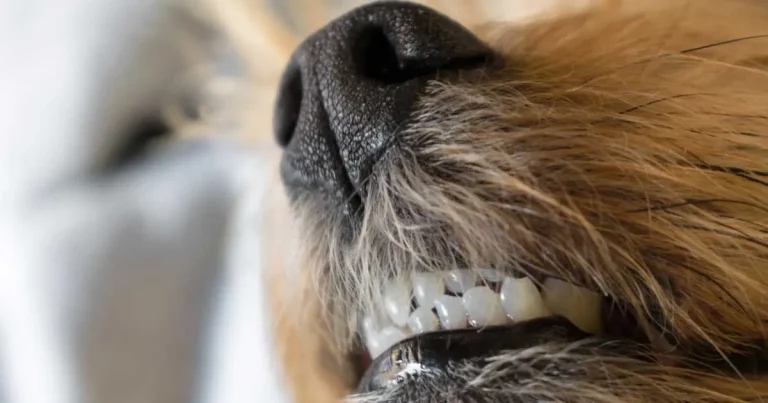
Periodontal disease was most commonly diagnosed in Yorkshire terriers according to the data. Image: Chris DoAl / Adobe Stock
Researchers have called for greater vigilance against canine periodontal disease (PD) after new analysis suggested more than half of pet dogs are affected by the condition.
Age, breed size and oral health diagnoses were identified as risk-raising factors in the study, published in the Journal of Small Animal Practice. But the paper also argued further efforts were needed to raise awareness of both key risk factors and symptoms.
The authors said: “Owner education is of paramount importance in the prevention of PD onset and management, and it is evident that there is a responsibility for all parties involved in pet care to promote oral health in pet dogs.”
Researchers from the Waltham Petcare Science Institute collaborated with the Nashville-based NomNomNow for the study, which was based on tens of thousands of questionnaires completed by dog owners in the US and Canada.
Its findings were drawn from analysis of more than 12,000 questionnaires where a PD status was indicated.
It found overall disease prevalence of 50.5%, with nearly 42% of all cases being found in dogs that were older than 12 years of age and a mean age of 10.8 years among all affected animals, compared to 7.6 years among those that were not.
The data indicated the disease was most commonly diagnosed among toy and small breeds, with the American cocker spaniel, papillon and Yorkshire terrier among the types with increased risk.
Dogs were found to be more likely to have PD if they had not been taken to a vet in the previous two years, with increased risk also being associated with specific oral health diagnoses including halitosis and resistance to head touch.
Lead author Alex Jemmett, from the Waltham Petcare Science Institute, said: “Our findings support numerous existing reports regarding canine periodontal disease and its associated risk factors.
“They also highlight key issues regarding the management of PD. It’s our hope that the risk factors we’ve highlighted could contribute to earlier identification and prevention in the future.”
The paper additionally reported behavioural connections to the disease, with owners of dogs with the disease found to be significantly more likely to view them as fearful or timid, stressed, reserved or having low energy.
But it emphasised no significant association between disease status and aggression, enthusiasm for eating or motivation for food.
The study also found no significant connection between PD and either sex or neutering status, though it did warn that disease levels may be “under-reported” among brachycephalic breeds.
Although the study found such types were at “significantly lower risk” of developing PD than their mesocephalic counterparts, it suggested that may be because brachycephalic breeds are known to be at greater risk of complications from the use of general anaesthetic, under which PD diagnoses are commonly made.