
11 May 2026
Deficiency linked to parasite challenges and ill-thrift in newly weaned lambs.

Chris Simpson
Job Title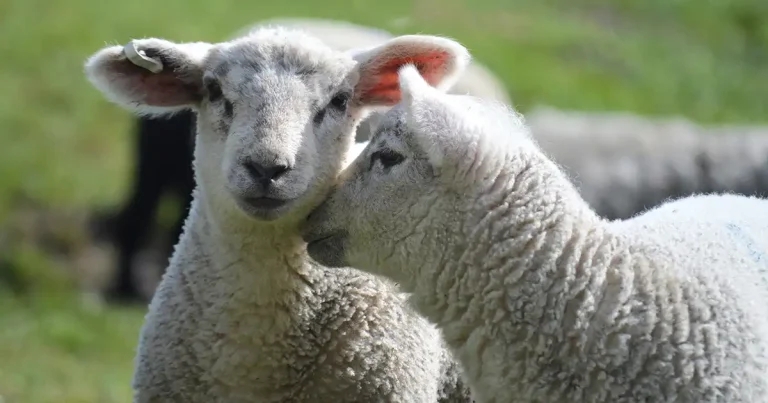
Image: Nettex
Vets and farmers have been encouraged to take a proactive approach to managing cobalt deficiency in newly weaned lambs amid data showing a consistent seasonal spike in mid-late summer.
Cobalt deficiency, also known as pine, can result in ill-thrift, reduced daily liveweight gain, lethargy and poor overall performance, and it is also said to be linked to increased parasite burdens.
APHA and Scotland’s Rural College quarterly surveillance report figures identify the deficiency as the third most frequent sheep diagnosis between July and September from 2016 to 2025.
Nettex technical livestock manager Nia Williams suggested it is most common in this period of the year due to a combination of environmental, nutritional and management factors.
She said: “Weather patterns can have a significant impact on cobalt availability, with high rainfall leaching cobalt and other trace elements from soils and drought conditions limiting cobalt uptake.
“We often see a seasonal decline in pasture cobalt levels over the summer months because of this, coinciding with when lambs are weaned and have high requirements for growth.”
She also urged vets and animal health advisers to work closely with farmers to establish if the deficiency may be exacerbating a parasite challenge.
Ms Williams said: “There is also a close and interchangeable association between cobalt deficiency and parasitic challenge.
“On one hand, high worm burdens can damage the gut, reducing vitamin B12 absorption, while on the other, cobalt/vitamin B12 deficient lambs may have compromised immunity, increasing susceptibility to parasites.”
She suggested strategic supplementation is among the most effective ways to mitigate risk, concluding: “The post-weaning phase is a critical stage in a lamb’s development and with appropriate nutritional support, cobalt deficiency is largely preventable, helping to avoid unnecessary production losses and sustain optimal growth performance.”