
23 Jul 2026
The suite of nurse-focused resources include both printed and digital assets.

Chris Simpson
Job Title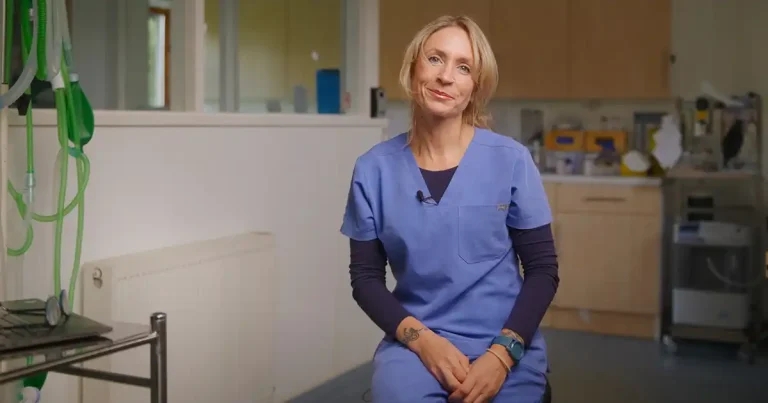
Hannah Capon during filming.
A suite of free new physical and digital osteoarthritis (OA) resources aimed at veterinary nurses are now available.
Created through a collaboration between Canine Arthritis Management (CAM) and veterinary nutraceutical leaders VetPlus, the resources are designed to support the set-up and delivery of OA clinics in practice.
They include a range of printed assets – including screening tools, management booklets and care-plan records – that can be requested from VetPlus, and a series of six training videos, totalling around 35 minutes in length, which can be found on VetPlus’ YouTube channel.
The videos are said to guide nurses through every stage of an OA clinic journey with an emphasis on practical application, from understanding the prevalence and impact of OA, to screening, creating multimodal management plans, tracking progress and navigating common challenges.
Together, they are designed to support early identification and multimodal management of OA, improve continuity of care, follow-up, and shared decision-making, and strengthen VNs’ role as advocates for pets and caregivers living with chronic pain.
CAM founder and vet Hannah Capon, who presents the video series, said: “OA continues to be a real challenge to manage in practice – it is far from simple, requiring a truly multimodal approach that includes caregiver support.
“A whole-practice approach is needed, one that harnesses the skillset of the entire team.”
VetPlus chairman David Haythornthwaite said: “Osteoarthritis is one of the most significant welfare challenges facing companion animals today, and veterinary nurses play a pivotal role in identifying, managing and supporting these patients long-term.
“We are delighted to partner with CAM to develop practical, evidence-based resources that empower nurses to run effective osteoarthritis clinics with confidence.
“By equipping nurses with the right tools, education and support, we can help ensure more pets are diagnosed earlier, managed better, and ultimately enjoy a higher quality of life.”