
23 Jul 2026
RVC VetCompass research prompts calls for discussion on giant dogs’ welfare and what levels of giantism in dogs could be considered as meeting the threshold for extreme conformation.

Chris Simpson
Job Title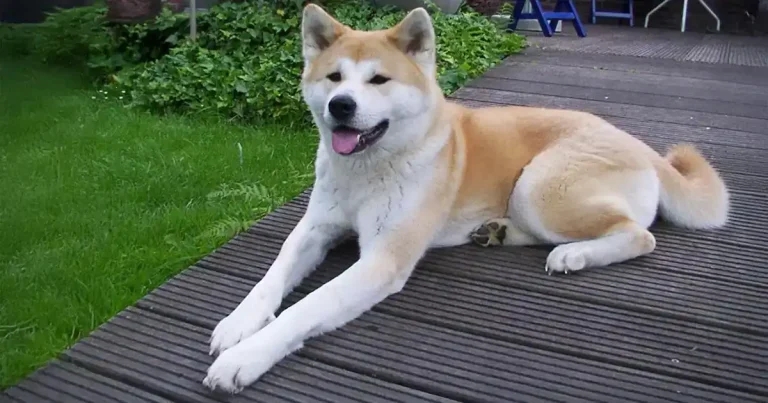
The akita was one of the giant breeds assessed in the study.
Giant dogs have a higher disorder burden and shorter lifespans than the general dog population, fresh research has claimed.
New analysis from the RVC’s VetCompass programme has prompted calls for discussion on giant dogs’ welfare and what levels of giantism in dogs could be considered as meeting the threshold for extreme conformation.
In the paper, scholars analysed the records of 2.25 million dogs under primary veterinary practice care in 2019. They identified 28,345 (1.26 per cent) were giant dogs split between 29 breeds, of which the most common were the dogue de Bordeaux (18.20 per cent), Alaskan malamute (13.10 per cent) and akita (10.20 per cent), with a median adult bodyweight overall of 48.8kg.
Researchers examined the clinical records of a random sample of 4,316 of the giant dogs for disorder prevalence. Overall, 73.8 per cent of the dogs had at least one disorder recorded during 2019, in contrast to a similar VetCompass study in which 65.8 per cent of dogs of all types were recorded with at least one disorder in 2016.
Of 536 unique precise-level disorder terms reported, the most common were otitis externa (8.16 per cent), being overweight/obese (8.02 per cent) and aggression (5.56 per cent).
Of 65 unique grouped-level disorder terms reported, the most common were dermatological (15.9 per cent), musculoskeletal (13.5 per cent) and aural disorders (12.0 per cent).
Almost one-quarter (1,068) of the giant dogs were recorded as having died, with a median age at death of 8.94 years – notably shorter than the median longevity of 12.0 years previously reported within VetCompass for dogs overall in England. Females lived statistically longer than males at 9.31 years median longevity compared to 8.49 years, respectively.
The most common causes of death were neoplasia (12.4 per cent), collapse (9.46 per cent) and heart disorder (4.12 per cent).
The authors concluded their findings raise concerns about negative impacts on both the quality and quantity of life in giant dogs, and suggest value in considering setting international welfare-based limits for height and bodyweight exaggerations selected in them.
They suggested setting a measurable threshold for extreme giantism can help welfare-focused breeders to better understand their legal and ethical responsibilities.
Lead author Dan O’Neill, RVC professor in companion animal epidemiology, said: “Our findings suggest that the lifespan and welfare costs for these dogs, linked to their extreme body size, are substantial.
“The relatively short lives of giant dogs compared to the wider dog population should prompt wider discussion on the welfare limits of selective breeding towards extreme giantism.
“To protect these cherished breeds and make them sustainable for the future, moving towards more moderate body sizes within these breeds may help to improve both the quality and length of life for these dogs, while still giving owners a fulfilling dog ownership experience.”
BSAVA senior vice-president Julian Hoad added: “BSAVA welcomes this research, which adds to the growing evidence base needed to improve canine health and welfare.
“The veterinary profession remains concerned about the health consequences associated with extreme conformations and is committed to supporting reforms through research, education and evidence-based breeding practices.”