
8 Jun 2026
Dan O’Neill said vets are “key” to ending extreme conformation and could achieve that goal within a decade.

Chris Simpson
Job Title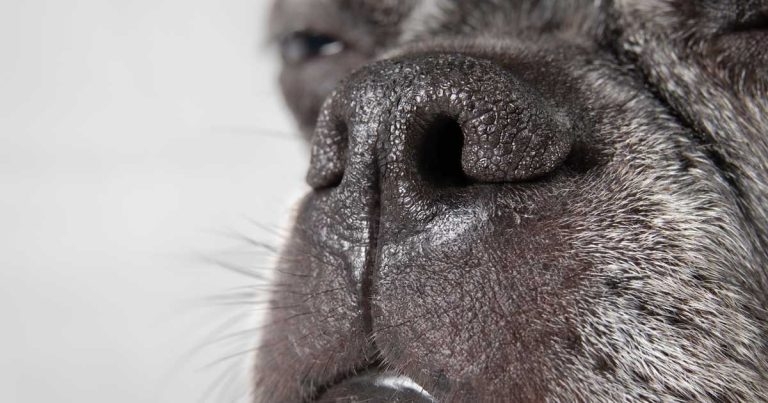
Image: © Petra Richli / Adobe Stock
Clinicians have been urged to lead by example by not owning animals with extreme conformations.
Speaking on the Vet Times Podcast, RVC academic Dan O’Neill called for everyone registered with the RCVS to “lead by what we do”.
The associate professor in companion animal epidemiology said vets are playing “an increasing role” in animal welfare advocacy around extreme conformation and that should go beyond just advising clients.
Prof O’Neill said: “We need to start thinking about what messages we’re sharing by what we do ourselves.
“If the world now accepts that we should not be acquiring or breeding or showing or promoting animals with extreme conformation, then the veterinary profession itself needs to take a lead on that.”
He added: “The veterinary profession now needs to own this space of extreme conformation welfare and lead by what we do.
“Everyone who has taken an oath that, above all, our commitment will be to the animals under our care, that includes the animals we own, we should not – without good justification – own, promote, breed or show animals with extreme conformation.”
Prof O’Neill likened the situation to human medical professionals taking a lead on stopping smoking and suggested vets set an example to the local community when walking their dog.
He said: “It is very difficult for us on the one hand to verbally say owners should not be getting an extreme animal, and then for us to be owning an extreme animal. We need those two messages to be aligned.”
Rowena Packer, RVC senior lecturer in companion animal behaviour and welfare science, agreed with her colleague.
She said: “Consensus is key here, where we’ve got individual vets who, for example, are breeding [or] showing dogs with well-known health issues because of their body shape; it doesn’t look like the veterinary house is in order.”
Asked if government bans could resolve conformational welfare issues, Prof O’Neill said banning breeds outright was “extremely difficult to both legislate in and then to enforce”, whereas bans on conformations are “much more tangible, much more concrete, and much more measurable”.
Dr Packer said if efforts to raise awareness around associated health and welfare issues do not have the required impact, then “we need to push towards it being legislation”.
She added: “We’ll always try and start with the carrot approach, but unfortunately, to protect animal welfare, sometimes the stick is needed; we do need to have restrictions.
“I think it’s up to the public and breeders to really make that change, so those harsher methods for behavioural change don’t need to be enforced.”
Prof O’Neill concluded: “I think the veterinary profession is key in how we resolve this issue.
“I can see a world in 10 years’ time when there is no extreme conformation of companion animals, and I would love for all of us then to look back at where we are now and accept that what we’re doing now is the right thing.”