
8 May 2026
Defra officials admit more needs to be done to protect the public but claim progress has still been made.

Allister Webb
Job Title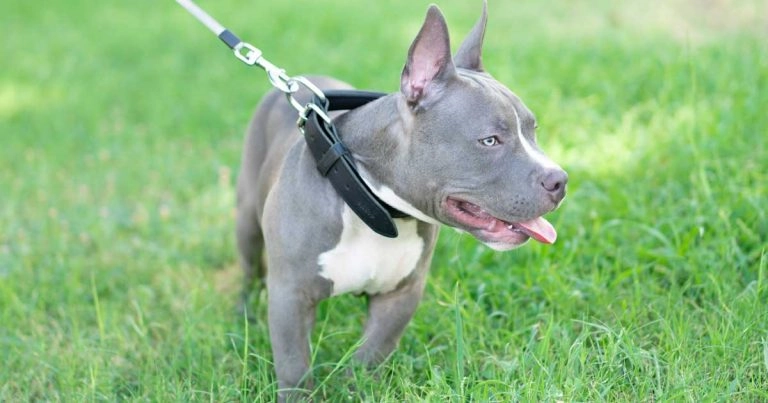
Image: Banu Sevim / Adobe Stock
Fears over the growing popularity of dogs that are not covered by the XL bully ban demonstrate the weaknesses of breed-specific legislation, a senior vet has claimed.
A major welfare group has also called for a crackdown on irresponsible breeding practices in response to reports about the promotion of pocket bullies.
But Defra officials insisted substantial progress has already been made to update breeding laws, while the need for further measures remains under consideration.
The issue has been highlighted after the Sunday Mirror claimed some breeders were exploiting legislative loopholes to promote smaller dogs that can be legally sold but are just as powerful as XL bullies.
The revelations have raised new questions about the effectiveness of existing dog laws, which are widely opposed within the veterinary and welfare sectors.
But IVC Evidensia group animal welfare director Dave Martin said the issue had been highlighted during the period that the XL bully ban was proposed and implemented.
He said: “We warned that banning one type of dog without tackling irresponsible breeding and ownership would simply push demand elsewhere.
“The rise of so-called ‘pocket bullies’ shows exactly that risk.
“Focusing purely on size or breed doesn’t address the underlying drivers of aggression, welfare or public safety – and it risks creating new problems rather than preventing harm.”

Defra acknowledged some breeds will meet XL bully characteristics without coming within the scope of the ban, while “ongoing attacks” highlighted the need for further action to protect the public.
A spokesperson added: “Dog attacks can have severe consequences, which is why it is a criminal offence under the Dangerous Dogs Act to allow any dog to be dangerously out of control.”
But the RSPCA said the report had also demonstrated the need for tougher regulation, as it described the shift away from XL bully dogs to another type as “inevitable”.
The charity’s dog control lead, Samantha Gaines, said the organisation was steadfast in its view about the complexity of dog aggression and its links to their breeding and experiences with people.
She added: “We are urging the UK Government to tackle the root causes of aggressive behaviour in dogs by cracking down on irresponsible breeding and promoting responsible ownership, as well as ensuring effective enforcement of legislation and strong punishments for those who use dogs dangerously.”
Defra’s spokesperson said: “We will continue to encourage responsible dog ownership across all breeds of dog and to consider whether the current dog control rules are sufficient to ensure communities are protected.”
The department said recommendations from its reconvened Responsible Dog Ownership taskforce would be considered by ministers, with further measures to be outlined “in due course”.
But it also claimed “significant” progress had been made to improve breeding laws to target unscrupulous breeders.