
17 Jul 2026
The charity is campaigning for the public to have their cats neutered amid an influx of unwanted litters.

Chris Simpson
Job Title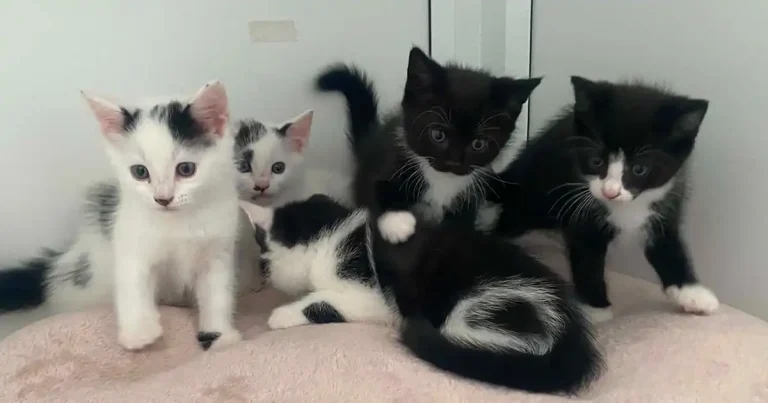
Crisis: one of many litters now being cared for the RSPCA.
A leading animal welfare charity has warned of a “cat crisis” as it struggles to rehome an increasing number of them entering its care.
The RSPCA said more than 20,000 cats entered its care last year and that cat-related incidents have risen by 49% year-on-year, increasing from 25,135 reports between May-September 2024 to 37,392 in the same period in 2025.
Incidents involving healthy stray cats and kittens are up 190%, and reports of sick or injured cats have increased by 88% to 9,105 incidents.
There were 1,843 requests made to the RSPCA for assistance involving cats – up 90% on the year before.
The charity said May-September is a peak time for cat breeding and that it sees an influx of cats and kittens amid an increase in unwanted litters, with more coming into its care faster than they are being adopted.
It has already recorded more than 6,300 cat-related incidents since May this year, around a third of which include cases of neglect.
RSPCA senior science and policy officer Alice Potter said: “More animals are coming into our care across several species, but the increase has been particularly marked for cats.”
She added: “Times are challenging for many cat owners. The ongoing cost of living pressures mean some owners are struggling to afford preventative care such as neutering, which can lead to more unwanted litters.
“Financial hardship can also increase the risk of cats being abandoned or neglected.”
The cat welfare expert noted that financial pressures have also led to fewer people looking to adopt pets, coupled with a rise in popularity of pedigree cats, while animals that are part of ongoing legal proceedings can remain in RSPCA centres for extended periods until they’re able to be rehomed.
The charity is encouraging the public to neuter their cats and to consider adopting, volunteering or fostering where possible.
Ms Potter concluded: “Many of the cats who come to us have experienced severe cruelty or neglect, including abuse and starvation.
“Recovering from that trauma takes time, and they often need specialist veterinary treatment and behavioural rehabilitation before they’re ready to start the next chapter of their lives.
“We’d encourage anyone who is able to consider adopting a rescue cat, or to support our work through donations or volunteering. Every adoption creates space for another animal in urgent need, and every donation helps us continue providing the specialist care these vulnerable animals deserve.”