
13 Jan 2026
New analysis has indicated wide variation between products, with prime meat use identified as a significant factor in raising some products’ emission levels.

Allister Webb
Job Title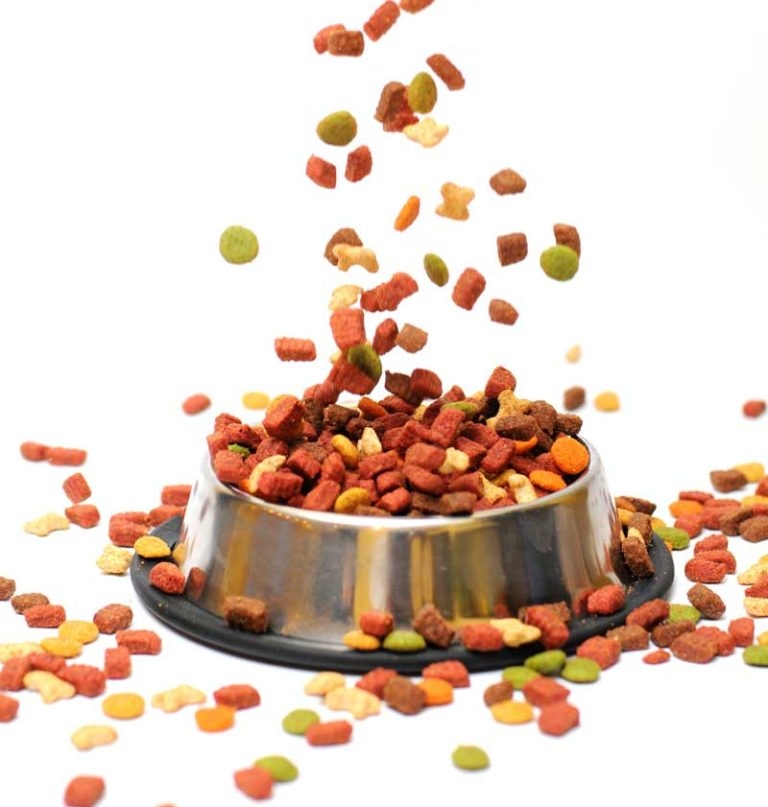
Image: © georgerudy / Adobe Stock
A vet and academic has urged the pet food industry to do more to reduce the environmental impact of its products.
The plea follows the publication of new analysis that suggested some “meat-rich” dog foods could have a greater carbon impact than the meals served to their consumers’ owners.
Industry group UK Pet Food claimed there have already been advances towards addressing sustainability issues that they acknowledge go beyond individual products’ ingredients.
But the paper, published in the Journal of Cleaner Production found the highest impact products generated up to 65 times more emissions than the lowest.
Principal investigator John Harvey said: “Our research shows just how large and variable the climate impact of dog food really is.”
Researchers from the universities of Edinburgh and Exeter collaborated on the study, which analysed nearly 1,000 products sold through a single UK retailer.
Nearly two-thirds of them (647) were described as dry, including 114 grain-free and seven plant-based products.
A further 31% (315) were classed as wet, including 113 grain-free and five plant-based foods. The remaining 34 were described as raw.
Overall, dry foods that were not promoted as grain-free tended to have lower environmental impacts than either wet, raw or grain-free options.
The analysis also indicated prime meat usage was a significant factor in higher emissions, with median levels for raw products being found to exceed those for a high-meat human diet.
Mr Harvey, from Edinburgh’s Royal (Dick) School of Veterinary Studies, said: “As a veterinary surgeon working on environmental sustainability, I regularly see owners torn between ideals of dogs as meat‑eating ‘wolves’ and their wish to reduce environmental harm.
“It’s important for owners to know that choosing grain-free, wet or raw foods can result in higher impacts compared to standard dry kibble foods.
“The pet food industry should make sure meat cuts used are of the types not typically eaten by humans, and that labelling is clear.
“These steps can help us have healthy, well-fed dogs with a smaller pawprint on the planet.”
‘Ongoing conversation’
In a statement published on its website, [insert link – https://www.ukpetfood.org/resource/uk-pet-food-response-to-research-from-the-universities-of-edinburgh-and-exeter-on-the-environmental-impact-of-pet-food.html] UK Pet Food said the study contributed to “an important and ongoing conversation” about environmental impacts.
But it argued that “significant progress” had also been made by its members, who it insisted were committed to developing “smart, sustainable ways” of producing affordable and nutritious foods.
It added: “Responsible and sustainable sourcing has long been central to how pet food is made.
“The vast majority of ingredients used in pet food are by-products from the human food chain, enabling the efficient use of nutritious materials while minimising food waste, maximising the use of valuable resources, and supporting a more circular food system.”