24 Mar 2026
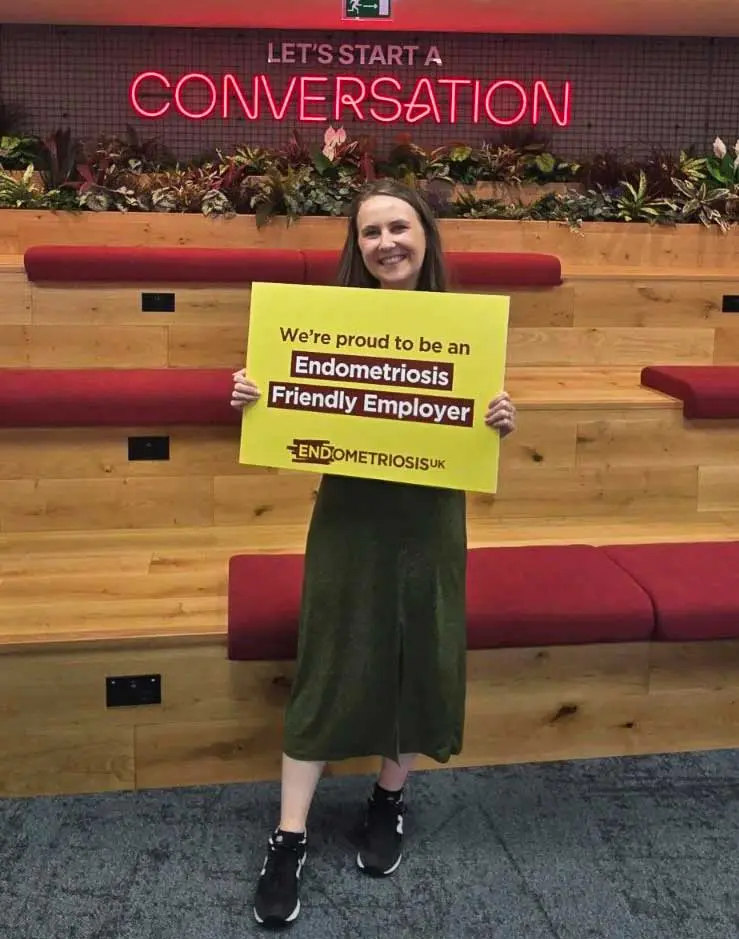
RVN Lauren Wilson, who suffers with this disease, works at Westport Veterinary Clinic which became the first veterinary practice to sign up to the Endometriosis Friendly Employer Scheme

Lauren Wilson
Job Title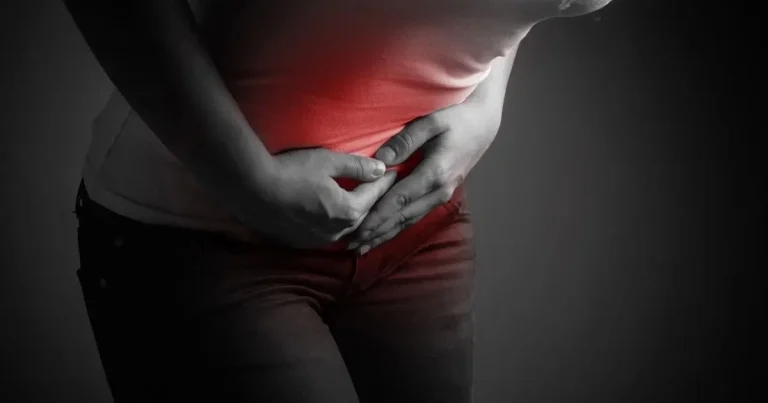
Image: Bartlomiej Zyczynski / Adobe Stock
March is Endometriosis Awareness Month, a month that means a lot to myself and others who suffer from endometriosis.
After years of having my pain dismissed by GPs, I feel very grateful for having a platform to be able to raise awareness to others and share my story. Many people suffer in silence due to the stigma around discussing menstrual health conditions within the workplace, but I am on a mission to show that support is out there and changes can be made.
Endometriosis affects 1 in 10 women in the UK, with 10% of women worldwide suffering with the issue, equating to 176 million people.
Endometriosis is the second most common gynaecological condition in the UK, which affects 1.5 million women and those assigned female at birth – a similar number of those affected by diabetes. Current statistics show that the average time to be diagnosed in the UK takes 8 years and 10 months from your first GP visit.
Endometriosis each year costs the UK economy £8.2 billion in treatment, loss of work and health care costs. With the cause of endometriosis unknown and with no definite cure, statistics are expected to rise. A lack of understanding and treatment of this disease emphasises the importance of continued awareness and support.
Endometriosis occurs when cells that are similar to the ones lining the uterus are found elsewhere in the body. The cells are able to grow and change in relation to the hormones during the menstrual cycle, which causes inflammation and pain.
Endometriosis is most commonly found on the lining of the pelvis and can also occur in the ovaries and on other pelvic organs. It can also be found outside the pelvic region, such as in the chest, but this is less common.
Symptoms can vary from person to person and the amount of endometriosis that is present does not always correspond to the amount of pain and discomfort that is felt. The most classic symptoms include:
From the age of 14, I have suffered with heavy periods and pelvic pain, making my teenage years a challenge to navigate school and social activities while being in debilitating pain. Years of battling with my GP for investigations always led to being told “it can’t be that bad” and “all girls get a period and they don’t complain about them”.
Referrals to gynaecology would always come back as normal ,as ultrasounds and MRI didn’t detect the cells growing elsewhere in my pelvis. My endometriosis diagnosis didn’t occur until 2021 where I underwent my first laparoscopy – the only way at present to be diagnosed. I had my second surgery in 2025 due to my condition worsening and requiring further surgery to remove the reoccurring endometriosis and correct an adhesion that was present. The four years between surgeries saw me change jobs, change my lifestyle to include more gentle movement and to seek out alternative therapies such as acupuncture.
My current employer is an endometriosis-friendly employer, which saw us become the first veterinary practice in the UK to sign up. Since then, a handful of veterinary practices have become members of the scheme, which is fantastic.
Opening up to my employer was a difficult decision as I knew it may not have been well received but I am grateful to have been met with positivity and motivation to change. Having the opportunity to discuss the condition and what it was like living with it highlighted to management how my day-to-day work can impact my physical health and as the disease is an invisible illness, it may not always be easy to identify when I need help.
I personally find that I have days where my condition is unpredictable, where I can start off fine, but struggle as the day goes on. Being able to identify my own triggers and physical limitations can allow me to communicate effectively with my team and ensure I can receive support when required.
Not only have I been able to look after myself better in the work place, but also support my colleagues. There are a handful of ways in which we can offer support within practice:
Collectively, on a daily basis, we strive for excellent patient care within our profession, but when it comes to women’s health it is often overlooked and misunderstood. Our often physically demanding job can sometimes put extra stress and pressure on us to push through the pain to get the job done.
Being able to speak up allows us to create a safe working environment and ensures the best outcome for both us and our patients. Working with students allows the conversation to be started with the next generation to ensure their concerns are listened to in both work and in a GP setting. Breaking taboos and aiming to normalise menstrual health topics can allow a positive movement to be created and driven forward.