
2 Mar 2026
RVN blogger Jane Davidson discusses how January pneumonia brought her in contact with human health care.

Jane Davidson
Job Title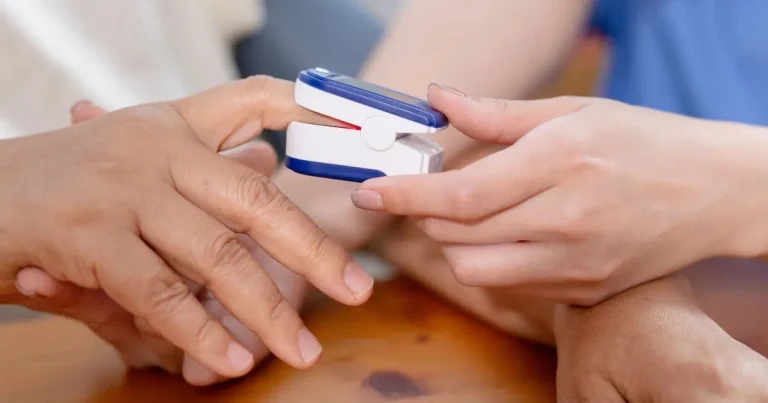
Image: Ratirat / Adobe Stock
I had the misfortune to have pneumonia in January this year. It has taken its toll and it was around 8 weeks of being unwell and trying to get over it.
It started as a very severe chest infection, and I had to resort to Calpol to take paracetamol. After a couple of days, I managed to make it to my GP. Apparently only being able to do heavy breathing when on a phone call really works wonders to access an emergency GP appointment.
I ended up trying to get dressed for the first time in a few days and found myself barely able to breathe. Usually, it’s back pain that prevents me being dressed decently, but this time just breathing was wearing me out.
I thought I should check out how I looked. My CRT seemed a bit delayed, and using my nursing brain it occurred to me I might be looking a bit blue. Not Eeyore the donkey blue, but the cool blue of cyanosis. I checked in the mirror and was startled to see a Smurf version of myself looking back.
Yes, my lips were a decent navy blue. The skin around my lips was a co-ordinating pale blue and I was scared. I decided not to wait for my GP appointment, but head to the surgery ASAP.
Sadly, the receptionist who checked me in was not as astute as the one on the phone. Despite being almost unable to say my name she didn’t think I looked unwell. I had to almost pass out to ask if I could be helped any sooner than my appointment.
After much kerfuffle I was in a nurse’s room and had a pulse ox on and a nurse watching me. And here is where the alarming, but almost predictable, monitoring happened.
The pulse ox was showing my saturated 02 as 88%-90%. If I took a few good breaths, then it would rocket up to 93%. So not the best readings when paired with my blue complexion, difficultly speaking and almost fainting at having to sit upright.
However, the curse of the pulse ox came alive, and the nurse kept wiggling it and sighing. She then proudly told me that me that she was only recording the “good” readings. By this she meant her records did not show the 88%-90% readings. Instead, my chart would be showing that every 5 minutes, after wiggling the pulse ox, getting me to change my breathing to make me hyperventilate and only recording the highest figure achieved, my O2 saturation was 93%. Always 93%.
But this was not the true story. Surely recording the real range of oxygen levels would have been more accurate and would show if any interventions were helping. While I know the issues with pulse ox readings, placement and false readings it was scary that I was being told that only “good” data was being recorded.
There was a confidence from this nurse that ignoring actual readings was totally normal. If they are confident to do that to an adult who can understand what is happening what do they do with records of those who are too young, old or sick to understand what is going on?
We all get taught that the best patient monitoring is us, as humans. Taking a holistic view of your patient is part of being a nurse and using your knowledge of normal parameters in the context of the patient. Surely, we have moved on from the days of placing a pulse ox and recording 95% at every reading regardless of the patients status.