11 Aug 2026
Wolfgang Dohne DrMedVet, MRCVS reviews an inaugural event in a country rich with history.

Wolfgang Dohne
Job Title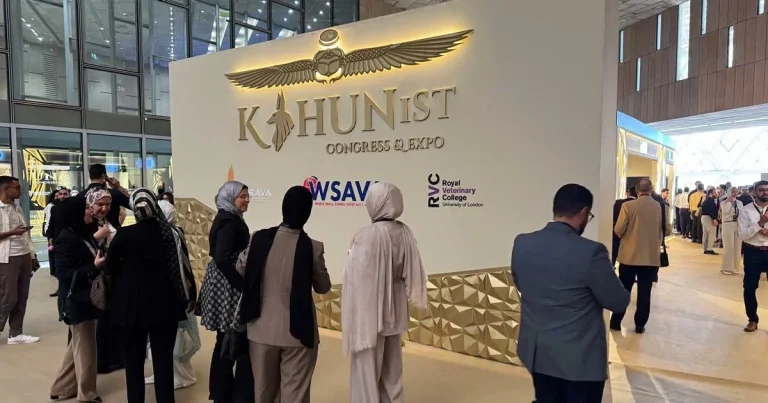
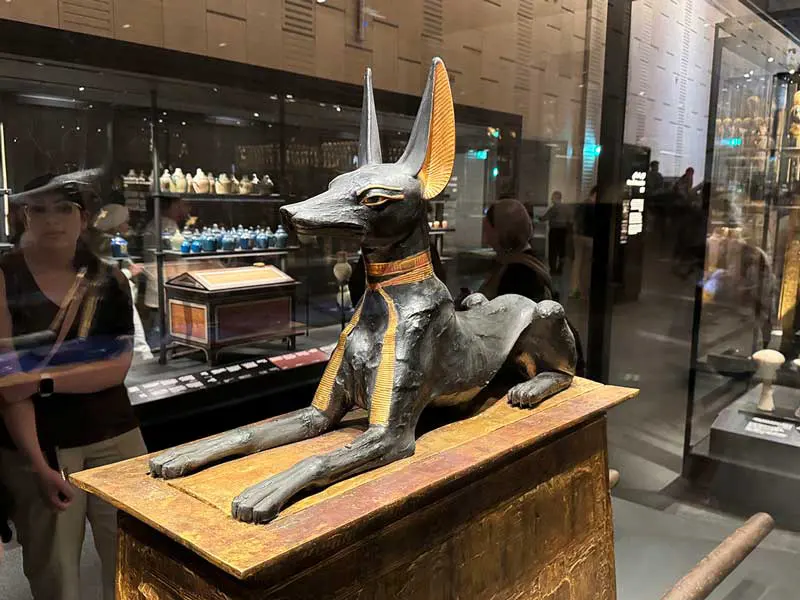
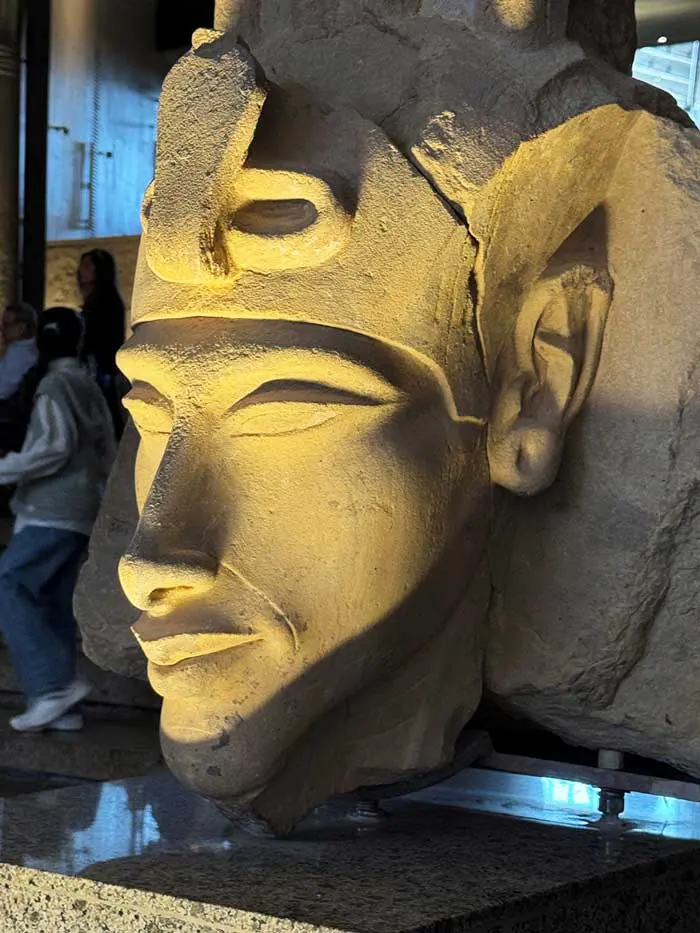
It does not happen very often that you pass a 120-ton obelisk suspended in mid-air, or a 3,000-year-old, 11m tall statue of a famous political leader, on your way to a veterinary CPD event.
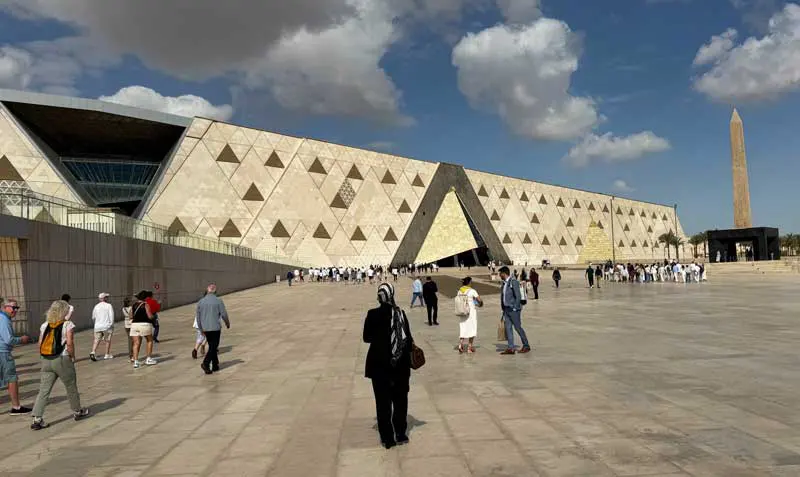
This is unless the event is held at the just recently opened The Grand Egyptian Museum in Cairo.
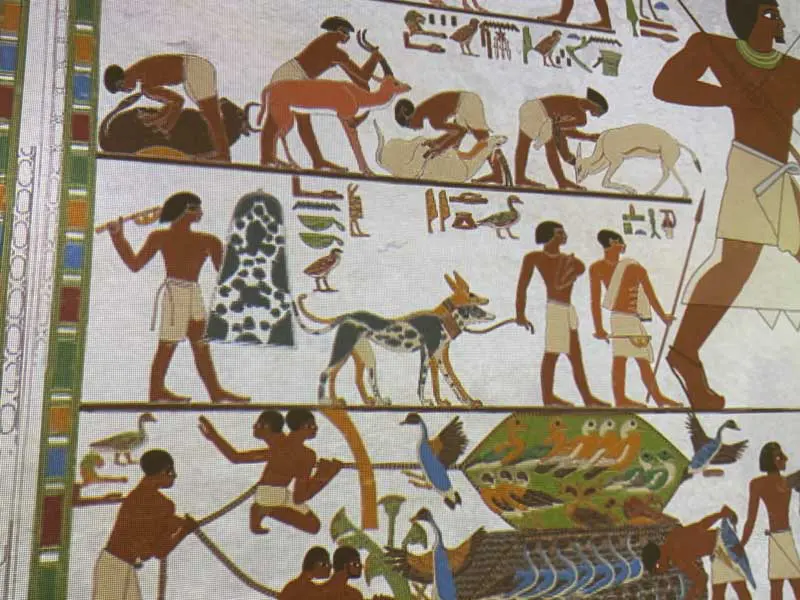
The Egyptian Small Animal Veterinary Association (ESAVA) had managed to secure this already world famous building for its first annual conference, which very fittingly was named the first Kahun Congress and Expo, in reference to the nearly 4,000-year-old Kahun papyrus, which was found nearby and is considered to be one of the earliest documents detailing – as a very early example of the “one health” philosophy – both human as well as veterinary medical conditions and their treatment.
In the script, a number of diseases of cattle, dogs, birds and fish are diagnosed, described and treatment recommendations are given. While the description of a canine ophthalmic disorder from four millennia ago makes a fascinating read, science clearly has moved on, and with the support of WSAVA and the RVC, under the guidance of Jill Maddison, the conference featured a rich scientific programme with five parallel lecturing streams, provided by some of the most renowned names in companion animal veterinary care from mainly Europe and North America.
More than 1,000 delegates predominantly from Egypt, Jordan and the United Arab Emirates were able to benefit from practical tips for the use of point-of-care ultrasound in emergency and critical care by Kris Gommeren. Holger Volk, formerly of the RVC but now head of the small animal clinic at the Hanover vet school, delivered a number of neurology lectures, covering neuroclinical reasoning, the diagnosis of seizures and the diagnosis and treatment of intervertebral disease.
American Veterinary Medical Association president Michael Bailey, travelling from Pittsburgh, Pennsylvania, gave an extensive overview of the intricacies of the interpretation of pulmonary patterns of thoracic radiographs. Prof Maddison, in one of her lectures, took a detailed look at the diagnostic merits of increased liver enzyme values while Jane Ladlow reviewed the surgical options for BOAS.
Between the lectures, delegates were able to enjoy a small, but well-attended, trade fair, where both national as well as international exhibitors were able to showcase the newest artificial intelligence (AI) supported diagnostic tools, orthopaedic implants and cold plasma treatment devices.
The advertisement for the event, and the recording of all aspects of the congress throughout it, was extraordinary and reflected the importance of digital content and the use of social media when promoting international veterinary CPD events in the 21st century. AI-generated videos highlighted the link between the event and the country’s unique history. A poster featuring the heads of all speakers looked not dissimilar to an advert for a newly released blockbuster movie. And why not? After all, it portrayed the images of the rock stars of our profession. The organisers went so far as to even have a downloadable song composed for the event (tinyurl.com/ya785h9d).
An early morning fun run around the pyramids (advertised by another promotional video), a dinner cruise on the Nile and – of course – a guided tour of The Grand Egyptian Museum, as well as a final gala dinner with contemporary Egyptian music and some wild dancing, all formed part of the rich social programme.
Encouraged by the great success of this inaugural event, another Kahun congress is planned to take place in the beginning of next year, probably at a location on the Red Sea coast, where the organisers in another first might introduce the first underwater veterinary lectures.
Keep your snorkel and diving googles ready…
Wolfgang Dohne is the founder of Virginia Water Veterinary Clinic in Surrey and was president of the Federation of European Companion Animal Veterinary Associations from 2017-19. He now works as an international locum and peer advisor in the UK, Scandinavia and Switzerland. In addition, he provides telemedicine services to German pet owners. Alongside his clinical work, Wolfgang’s main interests are the provision of veterinary continuing education to all parts of Europe, the promotion of wellness and collegiality among veterinary professionals, and the sensible use of telemedicine and AI in veterinary medicine.