
1h ago
Almost half of respondents to a survey conducted on the streets of Cambridge had not heard the term RVN or registered veterinary nurse.

Chris Simpson
Job Title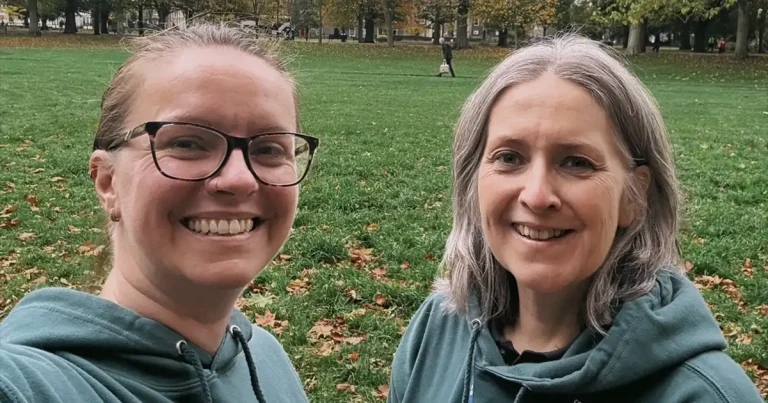
Lauren March (left) and Ali Heywood conducted the survey in Cambridge.
A leading educator of veterinary nurses has called for practices to increase their visibility to clients after a survey highlighted a lack of public awareness about the role.
Dick White Academy (DWA) principal Ali Heywood led the call after she and DWA operations manager Lauren March conducted a two-day survey on the streets of Cambridge.
Nearly half (46%) of respondents had either not heard the term “registered veterinary nurse” or “RVN” or were unsure whether they had.
Once the role was explained to them, 81% said they would not be comfortable leaving their pet at a veterinary practice with no RVN.
Asked who they would expect to carry out a routine blood test, 63% chose an RVN, 19% said either an RVN or a vet and 14% chose a vet. The remaining 4% gave other, unsure or multiple responses.
Miss Heywood said: “Veterinary nursing is a regulated profession with more than 60 years of history, yet we still need Veterinary Nursing Awareness Month to explain what we do. I value the month and the work that goes into it, but it saddens me that we still need it.
“People generally know what a veterinary surgeon does. Why are we still having to work so hard to explain the role of a veterinary nurse?
“What we heard in Cambridge was that people placed considerable value on having an RVN caring for their pet, even if they did not recognise the title. Many were shocked that they could not assume one would be employed at their practice.
“If there were no formally trained nurses caring for patients in a hospital, there would be a national outcry.”
The RVN concluded: “We need to make veterinary nurses visible to the people whose animals they care for. That means introducing the RVN, explaining their role and making sure pet owners understand the skills and qualifications behind the care their animal receives.”