
27 Aug 2026
Bosses say they are “excited” by the development of Scovella, which will be officially launched at the upcoming BEVA Congress.

Vet Times
Job Title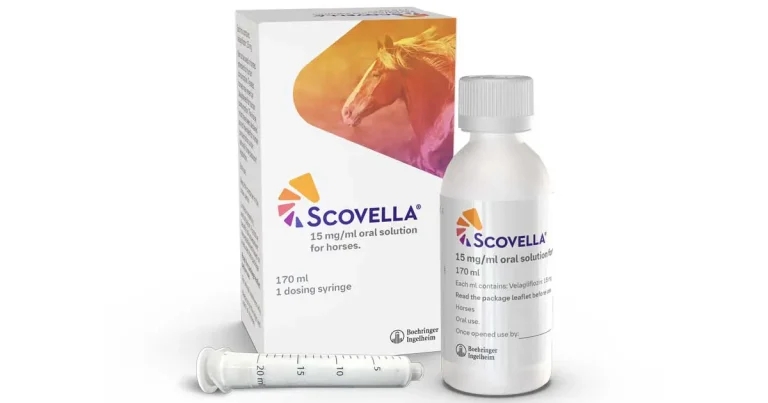
A major pharmaceutical firm has unveiled a new treatment it claims can “rapidly and significantly” reduce the primary cause of equine laminitis.
Boehringer Ingelheim bosses say they are “excited” by Scovella, which is due to be formally launched at next month’s BEVA Congress in Birmingham.
The product will also be available to prescribing vets in Great Britain from September and is being accompanied by a new range of support materials for clinicians dealing with laminitis cases.
Saskia Kley, Boehringer’s global head of equine, said: “Laminitis is a devastating diagnosis for both horse owners and horses because of the pain it can cause and the potentially serious consequences for affected horses.
“Scovella is the result of 15 years of our research focused on addressing the disease at its source and reflects our commitment to advancing innovation in equine health where unmet need remains high.”
The product, a velagliflozin oral solution, is believed to be the first therapy to be developed and licensed in Great Britain for the treatment of insulin dysregulation (ID), which some research has suggested accounts for more than 90% of laminitis cases.
A study co-authored by two Boehringer representatives and published in the Journal of Internal Veterinary Medicine last year suggested the product substantially reduces hyperinsulinaemia in ID-affected horses and ponies.
Meanwhile, an earlier study found no horses treated with velagliflozin went on to develop laminitis while 38% of untreated controls did.
Andy Durham, an RCVS and European specialist in equine internal medicine at the Liphook Equine Hospital in Hampshire, said: “Laminitis is one of the most common and welfare-impacting conditions we face in equine practice.
“Until recently, treatment and prevention options have been limited. The availability of a therapy specifically developed and approved for horses represents an important advance and provides vets with a new option to manage insulin dysregulation, the condition that underlies the majority of cases of laminitis.”