
8 May 2026
Ten new incidents have been confirmed since last week, with eight more suspected, while horse racing has seen its first disruption linked to the virus.

Allister Webb
Job Title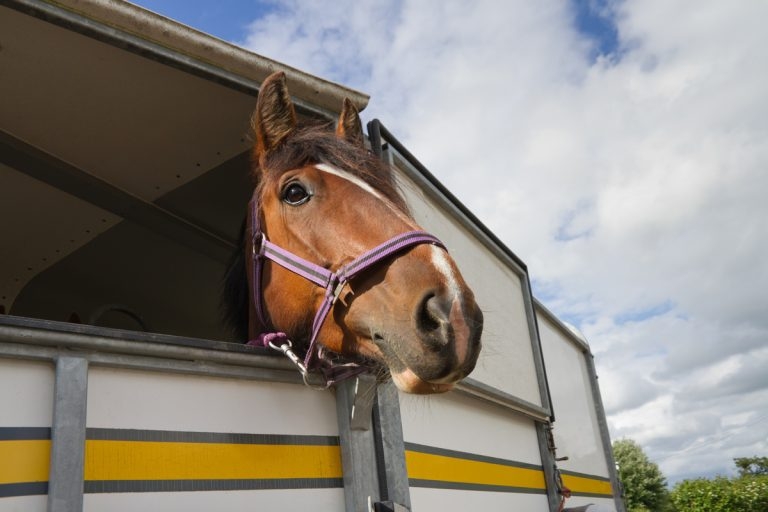
Image © countrylens / Adobe Stock
British-based vets and owners have been urged to adopt a “risk-based approach” to the movement of horses following a further increase in confirmed equine flu cases.
New Equine Infectious Disease Surveillance (EIDS) figures have revealed 44 confirmed outbreaks across 28 counties in England, Scotland and Wales since late March – up 10 from last week.
Another eight incidents are suspected, while the virus has also caused the abandonment of a scheduled horse racing fixture this weekend.
EIDS officials based at the University of Cambridge say 61% of the confirmed cases so far that had recently moved premises, before clinical signs of the virus were detected.
Their latest update, issued yesterday (7 May), said: “Horse owners, yard managers and veterinary surgeons are encouraged to adopt a risk-based approach when moving horses, particularly between premises, events and regions.
“Vigilance for early clinical signs, maintaining up-to-date vaccination status, and implementing isolation protocols for new arrivals remain essential components of disease control.”
Meanwhile, the British Horseracing Authority (BHA) has urged yards to remain vigilant after a scheduled fixture at Plumpton this Sunday (10 May,)was abandoned in connection with the outbreak.
Officials said the move was a precaution because of a confirmed equine flu and EHV-4 case in a livery yard “immediately adjacent” to the East Sussex venue.
Although no cases or clinical signs have so far been reported within licensed training yards, the BHA said it was advising “extra caution” over biosecurity, including a 14-day isolation period for any new horses entering the premises.