
1 Jul 2026
The plasma collection and banking services are led by advanced camelid practitioner Ami Sawran.

Chris Simpson
Job Title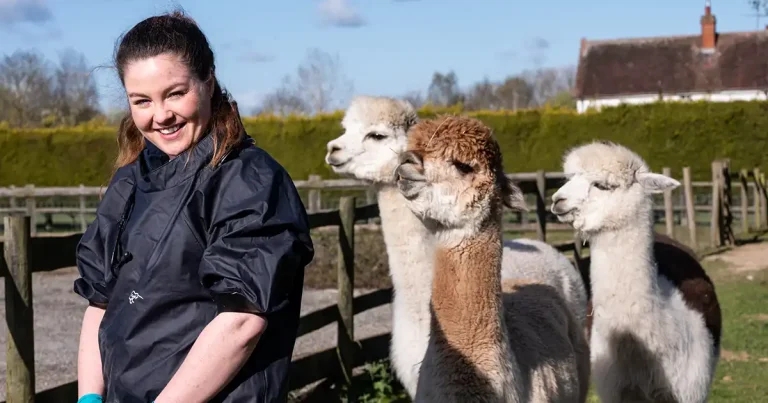
Ami Sawran is an RCVS advanced practitioner in camelid practice described as “one of the country’s foremost experts in the species”.
A farm vet practice in Chelmsford has been authorised by the VMD as a Non-Food Animal Blood Bank amid the start of the camelid birthing season.
Following the approval, Westpoint Farm Vets is offering plasma collection, processing and long-term storage services for the camelid community.
It is urging alpaca and llama owners to prepare for neonatal emergencies and bank frozen plasma to ensure newborns, known as cria, have immediate access to life-saving treatment.
The practice is offering two service options – an internal service and a referring veterinary service.
The services are led by clinical director Ami Sawran, an RCVS advanced practitioner in camelid practice described as “one of the country’s foremost experts in the species”.
She said: “We have performed dozens of life-saving plasma transfusions in cria over recent years and have seen first-hand the benefits of intravenous plasma therapy.
“It was not an option to let this service disappear, so we have invested heavily in facilities and protocols that meet the stringent standards required for plasma production.
“Our aim is to ensure camelid owners continue to have access to a safe, reliable and proactive service that supports the health and welfare of their herds.”
The intravenous plasma transfusion provides a direct route for delivering antibodies into cria outside of colostrum, with plasma sourced from healthy donors within the same herd as it offers the strongest opportunity of developing protection against disease challenges specific to its environment.
Dr Sawran added: “Being prepared before an emergency occurs can make a huge difference to a cria’s survival and long-term health. Having a bank of your herd’s own plasma available means treatment can be delivered quickly when every hour counts.
“Using approved plasma banks ensures the quality and sterility of the product being administered directly into the bloodstream of vulnerable cria. These young animals are particularly susceptible to infection, which is why only properly collected and sterilely processed plasma should be used.”