
11 Dec 2025
RVC researchers believe the new analysis can address major scientific questions for a range of species, including humans.

Allister Webb
Job Title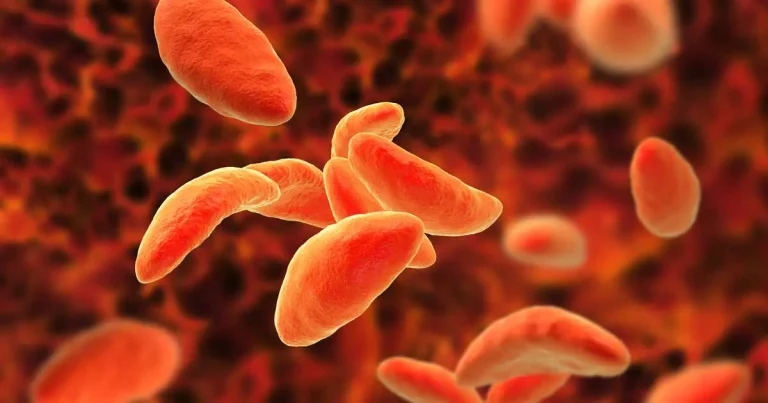
Toxoplasma gondii. Image: Dr_Microbe / Adobe Stock
A new study suggesting parasite-produced dopamine can alter the behaviour of rats could have major implications for other species, including humans, researchers have claimed.
RVC academics have collaborated with Imperial College London and the University of Leeds on the project, whose findings have now been published in the Nature Communications journal.
The analysis focuses on Toxoplasma gondii (T.gondii), which causes toxoplasmosis and has been linked to some cases of human neuropsychiatric conditions, particularly schizophrenia.
Previous research has also indicated the parasite’s genes contain instructions to produce a protein called tyrosine hydroxylase (TgTH) that is almost identical to dopamine, though links between it and behavioural change have yet to be established.
The study used the Fatal Feline Attraction Test to examine how rats infected with differing forms of TgTH responded to the presence of cat urine.
Although effects were milder from genetically modified strains than wild-type forms of the parasite, the paper found all infected rats displayed measurable differences in behaviour compared to uninfected controls.
It also indicated the scale of change observed increased in line with exposure levels in a manner the researchers believe provides a foundation for further study of how infectious agents affect the nervous system.
Senior author Professor Joanne Webster said the findings, based on what the paper described as “biologically appropriate” analyses were significant both in terms of theory and application.
She added: “As the ability of parasites to alter host behaviour often captivates the curiosity of both the scientific and lay communities, even raising questions about longstanding philosophical issues such as the existence of free will, we very much hope that this study will be of broad general interest to all.”
The study was funded by the UK’s Medical Research Council and the Stanley Medical Research Institute whose associate director, Fuller Torrey, said: “This is important research in shedding light on Toxoplasma gondii as one of the possible causes of schizophrenia.”