
15 Apr 2026
The RSPB has defended its position amid concerns from senior clinicians and food industry leaders.

Allister Webb
Job Title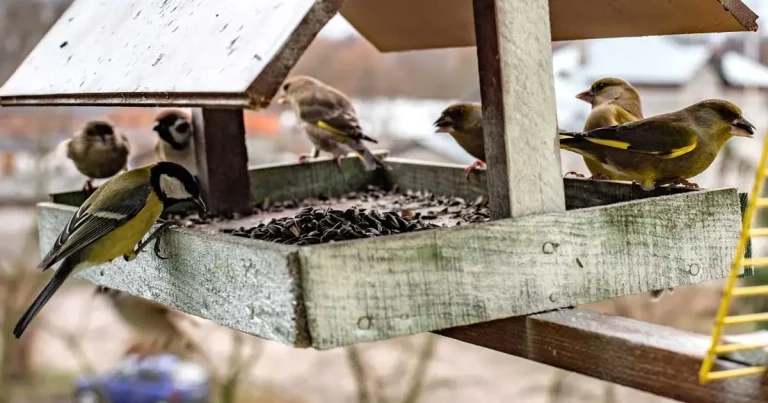
Image: Mariusz / Adobe Stock
A veterinary group has welcomed the “national conversation” created by new bird feeding guidance but warned it should not be seen as a definitive position.
The British Veterinary Zoological Society (BVZS) has questioned the case behind the RSPB’s call for seasonal feeding, which it believes has not been fully set out.
But the RSPB has insisted the move was based on a “thorough and robust” evidence review, despite similar concerns being raised by a pet food industry organisation.
The new guidance urges householders not to fill their bird feeders with seeds or peanuts between 1 May and 31 October, though “small amounts” of mealworms, fatballs and suet can still be offered.
The RSPB said the measure, together with more stringent hygiene protocols, were necessary to help reduce the risk posed by a disease called trichomoniasis, which can spread at sites where birds are known to gather, such as at feeders.
It argued the disease had contributed to a “worrying decline” in garden bird populations, with greenfinch numbers estimated to have fallen by more than 65% in the past 30 years.
But BVZS president Elliott Simpson-Brown argued the call represented a “fundamental change” in the public’s approach to bird feeding and argued the relevant evidence had not been “clearly detailed”.
He said: “It is encouraging for a national conversation to be being had about the ways we can all improve the health and population of our wild birds.
“However, this feels more to be a potential step in improving wild garden bird health with specific focus on trichomoniasis, not the final answer and by no means exhaustive.”
The BVZS intervention also followed criticism from the industry group UK Pet Food, which had only recently issued its own plea for householders not to stop feeding birds during the spring and summer months.
Chief executive Michael Bellingham stressed the importance of people feeding birds responsibly, but argued the change risked “confusing” the public.
He said: “The science in this area is still evolving and some of the research underpinning these changes has not yet been fully published or scrutinised.
“It’s important that any guidance of this scale is based on clear, robust evidence and is practical for the public to follow.”
An RSPB spokesperson said it recognised the new guidance may be “challenging” for businesses and could require a period of transition.
But he added: “Our revised guidance is based on a thorough and robust review of the evidence.
“We remain fully committed to reducing the spread of disease among finches and we are working with others who share this aim.”
But the BVZS said it would also have been “beneficial” to consider other issues, including the presence of trichomoniasis in other species, the use of alternative feeding practices and wider environmental conditions.