
30 Sept 2026
Research to strengthen surveillance, preparedness and response efforts as the USDA confirmed the first wild fly trap detection since the outbreak began.

Chris Simpson
Job Title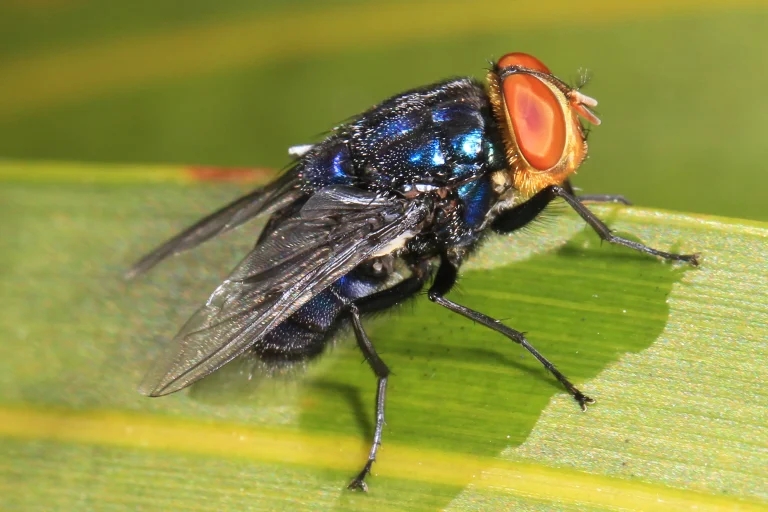
Close-up image of New World screwworm fly. Image by Judy Gallagher, CC BY 2.0, via Wikimedia Commons)
A coalition of agricultural stakeholders has raised more than US$250,000 toward helping strengthen New World screwworm (NWS) preparedness in the United States.
The Foundation for Food and Agriculture Research (FFAR), Kansas State University (K-State), North American Deer Farmers Association, American Sheep Industry Association, National Cattlemen’s Beef Association and the Kansas Department of Agriculture have joined forces to combat the NWS threat.
Together, they have invested US$269,560 in a Rapid Outcomes from Agricultural Research (ROAR) grant to identify the livestock, wildlife and management practices most vulnerable to NWS infestation.
The project aims to provide evidence-based tools for producers and animal health officials to prioritise surveillance and preparedness and improve response efforts.
NWS returned to the United States in June after a half-century absence with a confirmed case in a calf in Zavala County, Texas.
The US Department of Agriculture (USDA) – whose response to the outbreak has been widely criticised by both Republicans and Democrats – has reported a total of 51 animal cases and recently confirmed its first wild fly trap detection.
The USDA said it has released more than a billion sterile flies in Texas since February, and it is aiming to increase production to 500 million flies per week by next summer.
FFAR’s ROAR programme is designed to rapidly fund research and outreach in response to emerging or unanticipated threats to the US food supply or agricultural systems.
FFAR scientific programme director Jasmine Bruno said: “New World screwworm reemergence in the U.S. makes producer preparedness more important than ever.
“By identifying where this parasite poses the greatest risk, this research will help producers, animal health officials and veterinarians make faster, more informed decisions to strengthen surveillance, target prevention efforts and reduce impacts.”
The research is led by K-State’s professor of veterinary epidemiology and director of the Center for Outcomes Research and Epidemiology Natalia Cernicchiaro and associate director of research and analytical services Andrea Dixon.
The team are reviewing and analysing scientific literature, surveillance records and host distribution data to identify the species, production systems and husbandry practices most at risk.
They are also developing an interactive tool said to allow stakeholders to visualise vulnerability across species and production settings.
Dr Cernicchiaro said: “We are thankful for FFAR’s investment and for the strong partnership of our producer organisations and animal health agencies.
“Their expertise and collaboration help ensure this research addresses the most pressing questions facing US agriculture.
“By working together, we can deliver practical, evidence-based information that helps producers and decision-makers better prepare and respond to New World screwworm.”