
19 Nov 2026
CSU said its curriculum is “rigorous” after former AVMA president Michael Bailey accused it of lacking “sufficient educational depth”.

Chris Simpson
Job Title
Colorado State University (CSU) has insisted graduates from its veterinary professional associate (VPA) programme will be adequately trained amid widespread fears around the new role.
CSU launched its inaugural VPA course, the Master of Science in Veterinary Clinical Care (MS-VCC) programme, this autumn with a cohort of 14 students set to graduate in 2028.
The new VPA role – a mid-level practitioner said to be akin to a physician assistant in human medicine – was established by the state of Colorado in 2024 after voters approved it to help address veterinary care shortages across the state.
VPAs will be licensed professionals working under supervising veterinarians, who are “responsible and accountable for the acts and omissions” of the VPA.
The American Veterinary Medicine Association (AVMA) and its Colorado counterpart have strongly opposed the position’s creation and criticised CSU’s MS-VCC curriculum.
Former AVMA president Michael Bailey said the programme “lacks sufficient educational depth”, comprising approximately 65 credit hours – around half the academic preparation of a DVM programme – with three of its five semesters being online, lecture-only instruction.
He also expressed concern that the requirement of vet supervision would expand liability and risk for vets rather than offer workforce relief.
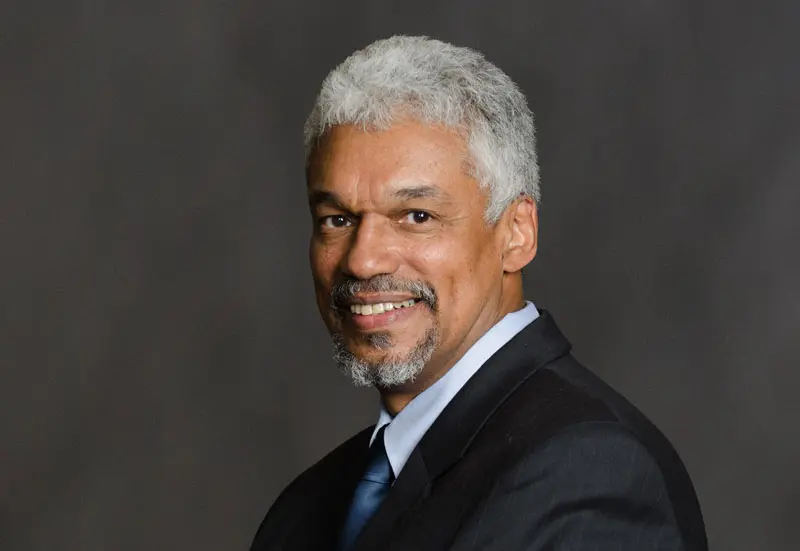
Dr Bailey concluded: “Veterinarians take an oath to protect animal health and welfare, promote public health and relieve animal suffering. That obligation demands rigorous education, clear accountability and unambiguous clinical authority. The VPA weakens these guardrails while offering no demonstrable benefit.
“The profession’s concerns are not rooted in misperception. They are rooted in patient safety, legal clarity and responsible workforce policy.”
Mission Pet Health, one of the United States’ largest veterinary groups with more than 900 practices across the country, has expressed similar concerns.
It said: “The creation of this role introduces a professional tier that lacks the rigorous education, training, and oversight required to meet the complex needs of modern veterinary medicine and as such, the VPA framework risks jeopardising the quality and safety of care provided to pets and the trust of owners.”
CSU has pushed back on the criticisms, arguing its “rigorous curriculum” uses similar course objectives, delivery and assessment standards as its DVM programme.
It said its students receive more than 400 hours of hands-on training at the university and another 540 hours through a required clinical internship prior to graduation.
Applicants are required to hold a bachelor’s degree – their first cohort is said to have degrees in biology, animal science, veterinary health sciences, anatomy and microbiology – complete a range of prerequisite courses and verify at least 150 hours of veterinary work or volunteer experiences.
A CSU spokesperson said the university is working to help address veterinary workforce shortages through the opening of its new Veterinary Hospital and Education Complex, which has increased its cohort capacity by 20%, and its revamped DVM curriculum.
The spokesperson added: “There is room for VPAs in the solution as well – not as a replacement for veterinarians or veterinary technicians, but as qualified members of a care team to increase practice efficiency and expand access to care.
“VPAs will be qualified to relieve veterinarians from routine patient care needs so they can focus more time and energy on cases that require their unique expertise.”